Getting Started
A sun-loving Mediterranean shrub, rosemary is attractive, drought tolerant and easy to grow. You can pick sprigs all year round and use them fresh or dried to flavour meat, bread and many other dishes.
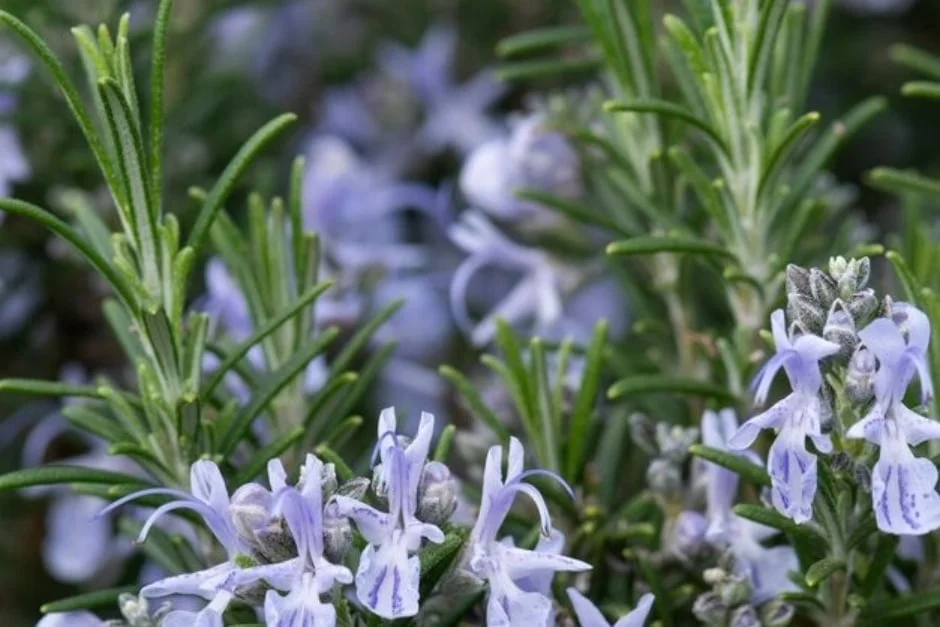
Rosemary (Salvia rosmarinus) has evergreen, aromatic leaves and small blue, mauve, pink or white flowers. It likes warmth and free-draining soil, and grows well in containers. Rosemary is hardy throughout most of the UK but may need some winter protection in colder locations.
Rosemary is drought tolerant once established and needs little maintenance, apart from clipping annually to keep it compact and bushy. Left unpruned, it can become straggly and bare at the base. Even with regular trimming, it's often best to replace rosemary every seven or eight years with a new young plant, and luckily it’s easy to grow from .
Rosemary is ideal for growing alongside other shrubby, sun-loving herbs such as sage, thyme and hyssop. It makes an attractive centrepiece for a herb garden or container and earns its keep in beds and borders by providing year-round evergreen structure and scent. The spring flowers are popular with bees and other pollinating insects.
The botanical name for rosemary is now Salvia rosmarinus; it used to be Rosmarinus officinalis, and you may still see it listed under the old name.
Jobs to do now
Harvest
Month by Month
Sow
Plant
Harvest


Choosing What To Grow

There are many varieties of rosemary to choose from, varying in size, flower colour and style of growth. Some are tall and upright, such as 'Miss Jessopp's Upright', others are low and trailing, such as 'Capri'. Most varieties have flowers in shades of blue but some have white or pale pink flowers, such as 'Lady in White' and 'Rosea'. The scent and flavour of rosemary foliage can differ – the variety 'Green Ginger' has a distinctly gingery scent.
When choosing varieties, look for those with an RHS Recommended: Award of Garden Merit (AGM), which shows they performed well in our trials – see our list of AGM fruit, veg and herbs (135kB pdf) and our Recommended Varieties below. Why not also visit the herb collections at RHS gardens, where you’ll find all kinds of herbs, including many types of rosemary. You can see how they’re grown, compare the varieties and aromas, and pick up useful growing tips.
What and where to buy
Rosemary plants are widely sold by garden centres and online retailers all year round, from small (recently rooted ) up to shrubs in 2 or 3 litre pots. Specialist herb nurseries generally offer the widest selection of varieties.
Rosemary is considered a high-risk host plant for the bacterial disease Xylella fastidiosa. Buying British-grown rosemary helps reduce the risk of importing the disease.
You don’t have to buy plants of course – rosemary is simple to grow from cuttings. So if you already have a plant, it’s easy to make more (see Propagating below), or you could ask a friend who has a rosemary plant if you can take cuttings from theirs. Seeds are also available from garden centres and seed retailers, but it may take several years before the plants are large enough to harvest leaves from.
Recommended Varieties


Sowing
Rosemary can be grown from seed, but plants will take several years to grow large enough to start harvesting. It’s much quicker and easier to start with bought plants or . However, if you do wish to grow from seed, sow them indoors in spring – see our guides below. The main advantage of growing from seed is that you can raise a large number of plants for about the same price as buying one young plant.
Planting
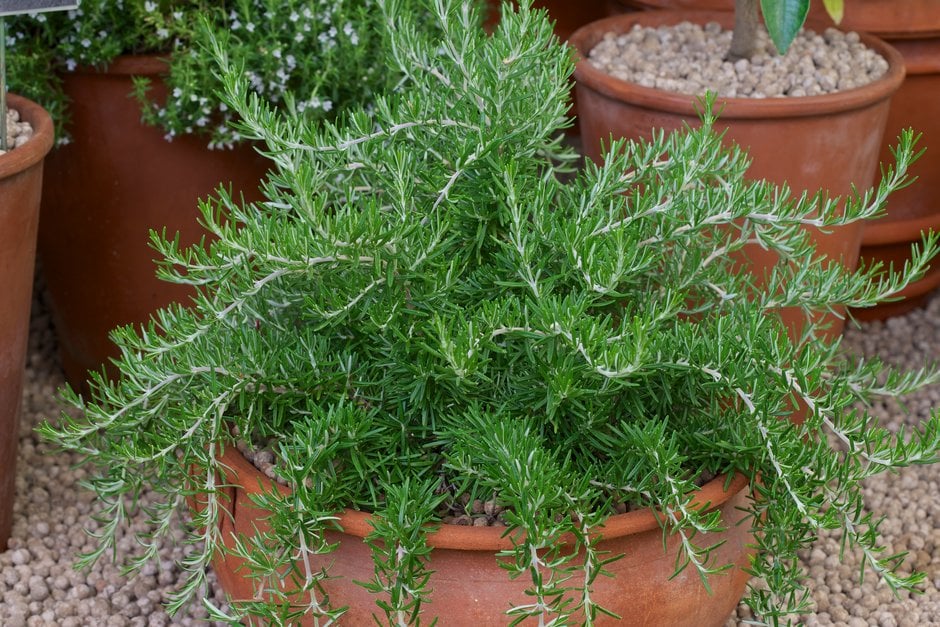
Rosemary plants are available to buy all year round and can potentially be planted at any time, but the best time to plant rosemary is in spring, once the soil is starting to warm up. Young plants grown from seed indoors can be planted outside once they’re at least 10cm (4in) tall, after hardening off.
- When planting in the ground – choose a site in full sun with light, free-draining soil. Rosemary hates having wet roots, especially in winter, so if you have , plant in a raised bed, where drainage will be better, or in a container. Avoid planting too deep – ensure the top of the root system is only lightly covered with soil. Allow at least 45cm (18in) between plants
- When planting in a container – choose a pot that is at least 30cm (1ft) wide and deep and make sure there are plenty of drainage holes in the base, as rosemary must never sit in . Use a peat-free and mix in some horticultural grit (up to 25 per cent by volume) to improve drainage. Position the container in a sunny location
Plant Care
Rosemary is very easy to grow and needs little maintenance once established in a warm, sunny spot with free-draining soil. An annual trim after flowering will keep plants bushy and neat.
Watering
Rosemary is fairly drought tolerant but new plants should be watered during dry spells in their first year. Once established, rosemary shouldn’t need additional watering when growing in the ground. Plants in containers will need some additional water during dry spells as the can dry out quickly in hot, dry, sunny weather, but never let the compost get .
Feeding
Rosemary growing in the ground doesn’t need feeding and should thrive even in poor soil. However, plants that have been growing in the same container for more than one year will benefit from a sprinkling of general purpose granular feed in late spring or early summer.
Winter protection
Rosemary is hardy throughout much of the UK, with well- surviving temperatures as low as -8°C (18°F). However, damage can be caused by harsh frosts and cold winds and in extreme cases, plants may die. If very cold spells are forecast, temporarily cover plants with fleece, hessian or an old bedsheet.
Plants in containers are particularly vulnerable to winter cold. Prolonged low temperatures can lead to the and roots freezing in the pot. Prevent this happening by grouping pots together, wrapping old blankets or reused bubble wrap around the pot, or move them to a warmer, more sheltered spot—such as a greenhouse, porch, or the lee of a wall.
Cold, wet compost can cause rosemary roots to rot and die. Even in mild winters, if rainfall is high, move potted plants to a sheltered spot, such as near a building in a rain shadow.
Propagating
Rosemary can be grown from seed (see Sowing above) but if you already have a plant, there are a few easy ways to propagate it. The methods listed below are forms of vegetative propagation, meaning the new plants will be the same as the parent plant. This is especially useful when varieties don't come true from seed.
- Softwood cuttings taken from new growth in late spring or summer
- Semi-ripe cuttings in summer
- Layer plants in spring or autumn by pegging low stems into the soil to root. This often happens naturally, so check for rooted stems around the edge of your plant and pot them up
Pruning And Training
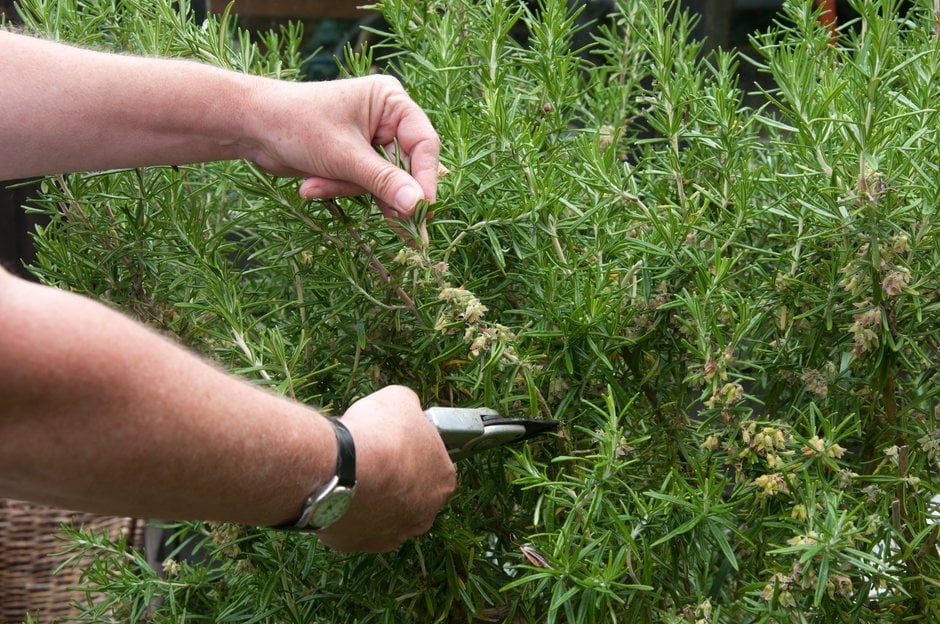
To keep rosemary compact and encourage fresh young foliage, trim it back lightly every year after the flowers fade, but avoid cutting back into old wood. Varieties with an upright habit can be grown as a neat hedge if trimmed annually. Left unpruned, rosemary will become leggy, woody and bare at the base. As they don't usually recover from heavy pruning, old straggly plants are best replaced, but it’s easy to take (see Propagating above) to grow your own replacements.
Harvesting
Rosemary is evergreen, so can be harvested all year round, but the soft new growth in late spring and summer has the best flavour. Snip off shoots as required, aiming to keep an attractive shape to the plant. The leaves can be used fresh or dried for later use. To dry rosemary, hang up sprigs in a warm, dark, well-ventilated place. When fully dried, strip off the leaves and store in an air-tight jar.
Problem Solving
Rosemary is usually robust and healthy when grown in suitable warm, sunny, well-drained conditions. But waterlogging and severe cold can cause problems.
- Wet soil or potting , especially in winter, can cause roots to rot, so ensure there is always good drainage. Plant in a raised bed or container if your soil is heavy
- Harsh frosts can damage the shoots or even kill young plants, so cover with hessian, an old bed sheet or fleece in very cold spells, or move potted plants into a sheltered location
Several insects can potentially trouble rosemary. See Common problems below for more advice on spotting and tackling these issues.
Common Problems

Frost damage
Frost can affect many plants, and is particularly damaging to tender new growth and blossom in the spring. The risks of frost damage can be reduced by...

Cuckoo spit (spittlebugs)
Cuckoo spit is produced by the nymphs of sap sucking insects called froghoppers. It is harmless and the insects that produce it are part of the biodiv...

Rosemary beetle
The rosemary beetle (Chrysolina americana) originates from southern Europe, and has become widespread in Britain since the mid-1990s. The larvae and a...


