Shutterstock
 Appearance
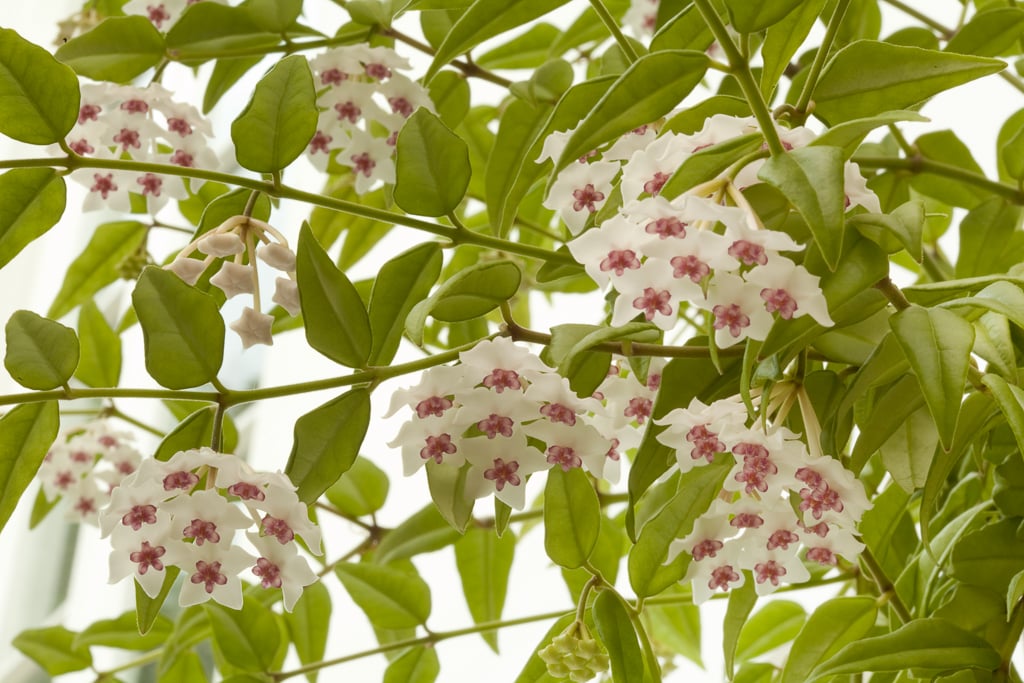
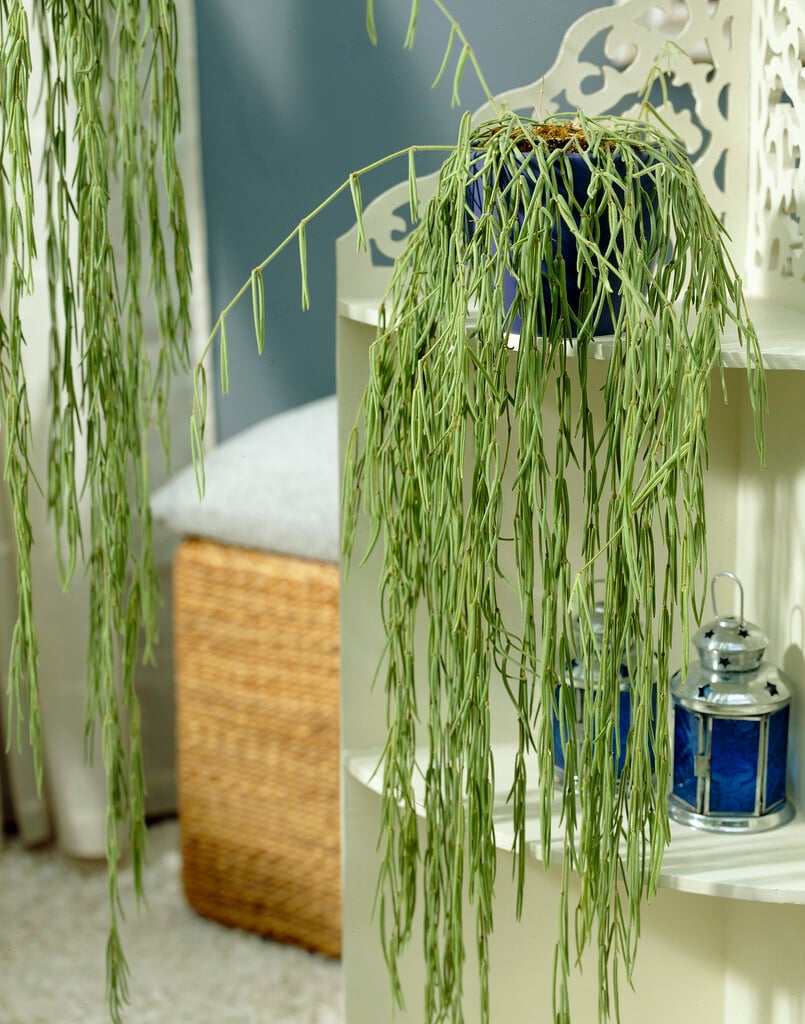
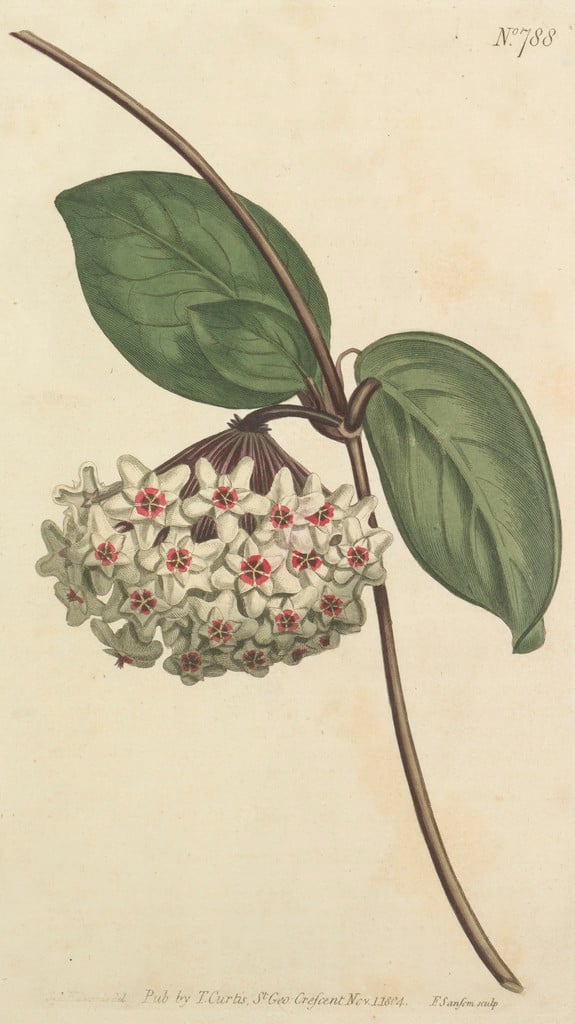
Hoyas produce clusters of small, white, star-shaped flowers that have a shiny, waxy sheen and are rich fragrant, especially at night. Their foliage is usually semi-succulent and evergreen. The climbing stems can be trained onto a support, such as a wire loop or tripod, or can trail from a hanging planter. Some species can be vigorous and grow to several metres, while others are more compact.
Preferences
Hoyas enjoy bright, indirect light and warm, indoor temperatures – 16–24°C (61–75°F), with a slightly cooler spell in winter. Careful watering and consistent light is vital for flowering. Keep the compost moist but never waterlogged, and reduce watering over winter when the plant is semi-dormant.
Dislikes
Keep hoyas out of direct summer sun, which can scorch the leaves, and ensure the compost is never waterlogged or completely dry. Take particular care not to overwater in winter, when hoyas go semi-dormant. Plants may drop their flower buds if they are moved and light levels change, or if the compost is too wet or too dry.
Did you know?
Many hoyas have evolved to be pollinated by moths – so they produce white or pale pink, nectar-rich flowers that are highly scented, especially in the evenings and at night. Depending on the species, the flowers may have a vanilla, lemon or even chocolate fragrance.
RHS Growing Guide

FREE
Read our comprehensive free RHS Growing Guide:
How to grow hoya

Introducing Hoya
x of x
Showing
x to x
of x