Quick Facts
Most are easy to grow
Many flower in spring or summer
Plant in spring
Different types like sun or shade
Often vigorous and fast growing
Make new plants by division or from cuttings


Before you get started
What are aquatic and bog plants?
Aquatic plants live in water. Waterlilies are probably the best-known example, but there are many other beautiful options to choose from that will thrive in garden ponds, large or small.
There are four main types:
- Marginals, which grow in shallow water, near the edge of a pond
- Bog plants which grow in perpetually wet to damp soil around a pond. See our guide to a bog garden
- Deep-water aquatics, which live in the deeper water, usually near the middle of a pond
- Floating plants, which float freely in the water
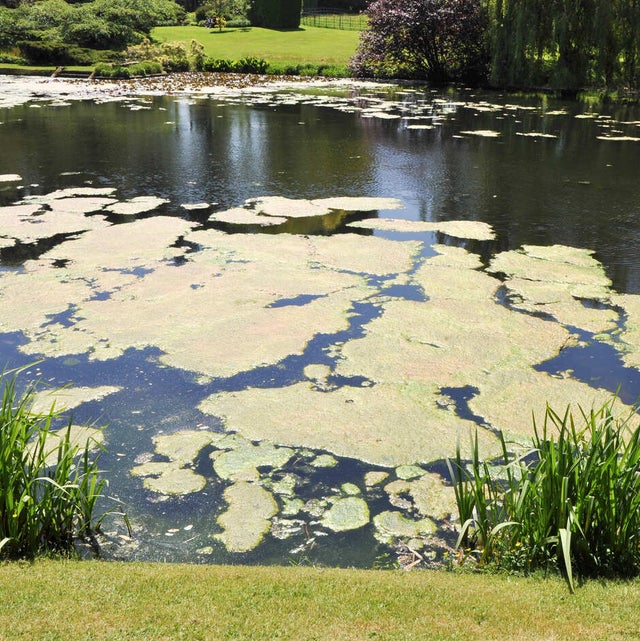
Aquatic plants can help to keep your pond healthy, by oxygenating the water, providing habitats for wildlife, and preventing unwanted algae taking hold.
Attracting wildlife
Adding a pond to your garden is one of the best ways to attract more wildlife.
Choosing the right aquatic and bog plants
It’s important to choose aquatic plants that will grow well in your particular pond. The main factors to consider are their depth requirements and overall size.
Some aquatics can thrive in a range of depths, while others are quite specific. You will have a wider choice if your pond has different depths, maybe with shelved or sloping edges. Some plants prefer still water, so wouldn’t be suitable if you have flowing water or a fountain.
When buying, always check the plant label to see how large the plant will eventually grow. Many aquatics are vigorous and can soon outgrow a small pond – beware in particular of invasive aquatics, which can be difficult to control once established. Still, there are plenty of beautiful, well-behaved aquatic plants for small or even tiny ponds.
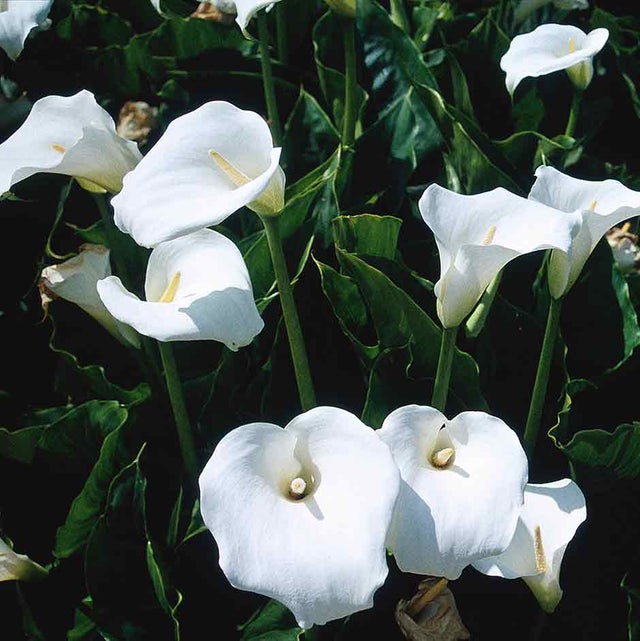
Bog plants too are often large and vigorous, so choose varieties to suit the amount of space you have available. These plants love damp soil, but not standing water – if the area is regularly under water for long periods, choose pond marginals instead. Most bog plants like rich soil, containing plenty of organic matter, and full sun, although some can tolerate shade.
If you want to increase the wildlife in your garden, choose a range of aquatic and bog plants that provide food, shelter or breeding sites for many different creatures. For more tips, see our guide to wildlife ponds and our 2019 Wild About Gardens pond campaign.
Before buying, always check the label to ensure the plants will thrive in the conditions in your pond or bog garden.
Getting the right look
Consider what you want from your plants visually, such as:
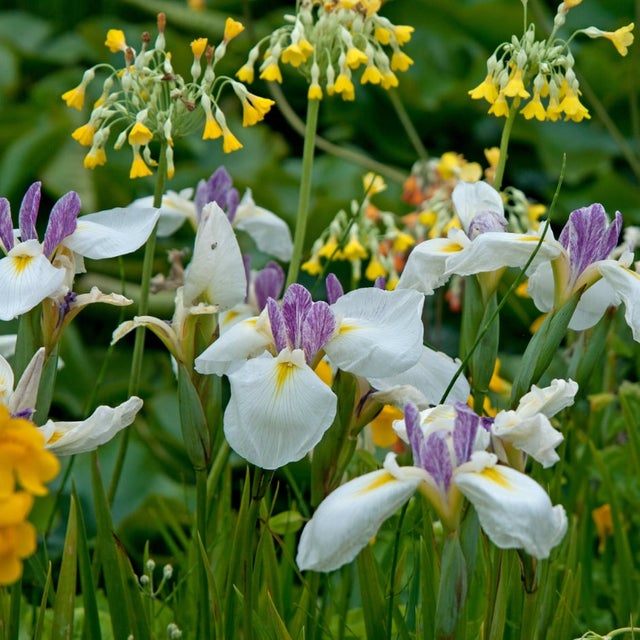
- Flowers and foliage – some aquatics and bog plants produce colourful blooms, while others are prized purely for their foliage.
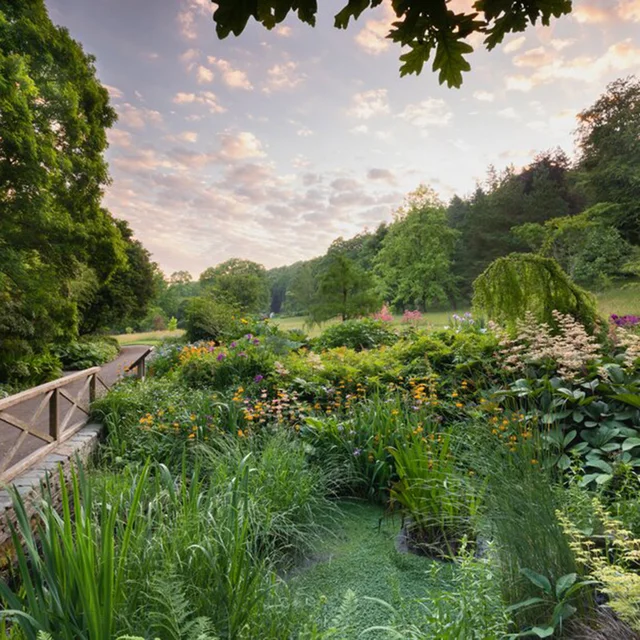
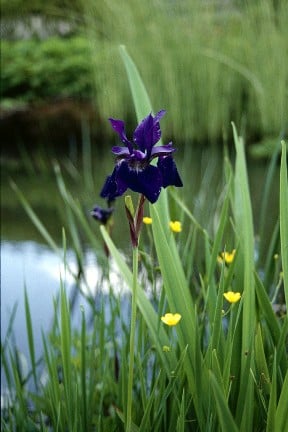
- Vertical or horizontal? Some aquatics spread out over the pond surface, such as waterlilies, while others rise vertically out of the water, such as reeds and irises. A mix of both should provide plenty of visual interest.
- Style – do you want a natural look, using mainly plants, or something more exotic, with vibrant flowers and lush foliage?
- Evergreen or ? Evergreen plants retain their leaves all year round, while deciduous plants lose their leaves over winter, then sprout afresh in spring.
How and what to buy
For the widest choice of aquatic and bog plants, visit specialist nurseries, either in person or online.
Larger garden centres may also stock bog plants, and sometimes aquatics too, especially if they also sell preformed ponds and water features.
Beware of buying invasive aquatic plants, as they can soon swamp a garden pond and can be hard to get rid of once established.
Aquatic plants are sold either (without ), or already planted in aquatic baskets. Bare-root plants are often cheaper and, being smaller and lighter, are more suitable for mail order. Just be sure to plant them as soon as they arrive.
Bog plants are usually sold in 9cm (3½in) pots or larger.
Where to get ideas and advice
To explore and narrow down your potential planting choices, you can:
- Visit gardens with ponds, lakes and water features, and see which plants you like best. Late spring and summer are good times to view them in their prime. RHS Gardens feature a range of aquatic and bog plants, and all are labelled, so you can note down your favourites.
- Visit specialist aquatic nurseries, in person or online.
- Go to RHS Find a Plant and search for ‘aquatics’ to browse the photographs and plant descriptions, and find out where to buy them.
Planting
When to plant
Aquatic plants are best planted in late spring or early summer, when the water is warming up, which helps them to settle in well.
Bog plants too, are best planted in spring, but can be planted at any time of year, as long as conditions aren’t extremely cold, or hot and dry.
Where to plant
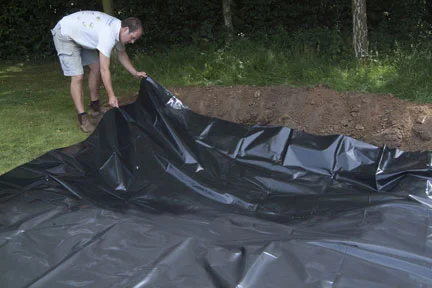
Most garden ponds have a butyl rubber liner, fibre glass or plastic base, so the plants must be grown in aquatic baskets (with lattice sides), crates or hessian bags filled with peat-free aquatic or heavy garden loam. They are then easy to position in the pond wherever you want them and can be moved without digging them up. Vigorous plants are easier to control when in a basket and less likely to become .
It is important to plant aquatics in the correct depth of water – see individual plant labels for details, as well as our guide to pond plants, which includes planting depths.
Floating aquatics can simply be dropped into the pond.
Bog plants need damp ground, but don’t like to be permanently in standing water. These vigorous plants like soil that is rich in organic matter. Most enjoy full sun, although some will be fine in shade.
How to plant
The three different types of aquatic plants (marginal, deep-water and floating) are planted in different ways – see our guide to planting aquatics for full details. If you want to avoid using plastic aquatic baskets, you can plant into hessian bags filled with peat-free aquatic compost or heavy loam.
Most bog plants are perennials and should be planted in a similar way to other garden perennials – see our step-by-step guide to planting perennials and our guide to creating a bog garden.
Ongoing Care
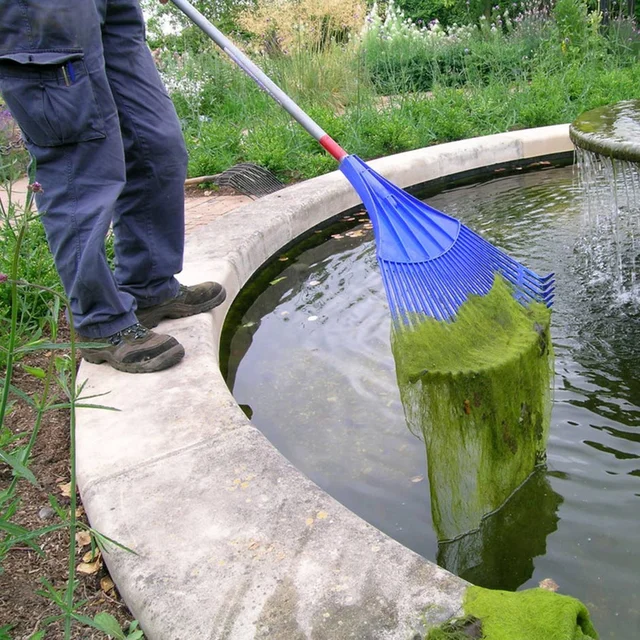
Both aquatic plants and bog plants can be vigorous, and may need to be cut back if they outgrow their space.
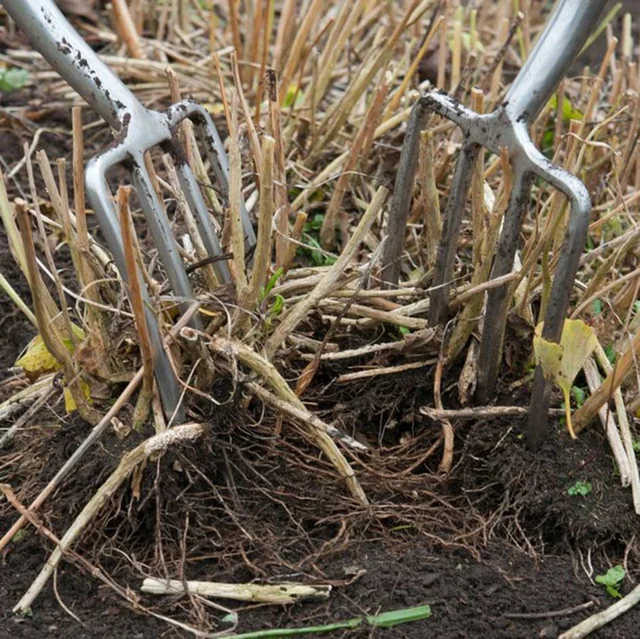
Perennial plants can also be lifted and divided every few years, to make new, smaller plants – see our guide to dividing perennials.
Watering
Bog plants may need additional watering after planting if the soil is not permanently damp. Once established, they should be able to cope with short dry spells, but may need watering during longer droughts, ideally with rainwater.
Also keep an eye on the water level in your pond, as it may drop considerably in hot weather due to evaporation. Top up if necessary, ideally from a water butt – see our guide to pond care for more tips.
Feeding
These vigorous plants shouldn’t need additional feeding, although you may choose to use a peat-free aquatic that contains a specially formulated slow-release fertiliser that won’t seep out into the water.
Caring for older plants
Large perennials – both aquatics and bog plants – can be lifted and divided every few years to keep them in check and in good health. See our guide to dividing perennials.
Pruning and Training
Vigorous aquatics and bog plants may need to be cut back if they outgrow their space, so always check the eventual size of plants before you buy, to keep work to a minimum. Pruning aquatic plants is preferably done in autumn, so that hatching eggs of aquatic insects and other breeding pond wildlife such as newts are not disturbed.
Propagating
Many of the popular aquatics and bog plants are perennials, and are easy to propagate by dividing up the clump into smaller plants. You can also take and grow them from seed. See our guide to propagating pond plants.
Problems
Some of the larger, more vigorous aquatic plants can become and may be hard to control once established – see our guide to aquatic weeds. Never get rid of unwanted plants in the wild.
Aquatics not planted in the correct depth of water, may not thrive. See our guide to pond plants, which includes planting depths.
Bog plants like damp soil, but most won’t survive long spells in standing water. They may also struggle in summer droughts, when they may need additional watering.
As these plants are generally robust and vigorous, pests don’t usually cause serious damage, but look out for:
- Slugs and snails, which eat the soft young growth of marginals and bog plants. Water snails may damage submerged plants.
- Vine weevils, which have a taste for bog plants that have fleshy roots, such as hostas, primulas and astilbes.
Diseases don’t tend to be a major problem either, although powdery mildew can thrive among overcrowded plants and in humid air. Avoid using fungicides, to treat this, as they may be toxic to aquatic life. is best controlled by giving your plants plenty of room to grow when planting, to allow air to freely flow around them. To maintain good airflow they should also be thinned out when any grow too densely.