Wellbeing benefits of gardening for children
10 ways that gardening improves children and young people’s mental and physical health

Tips for growing houseplants, with a pick of the best and easiest to grow with children
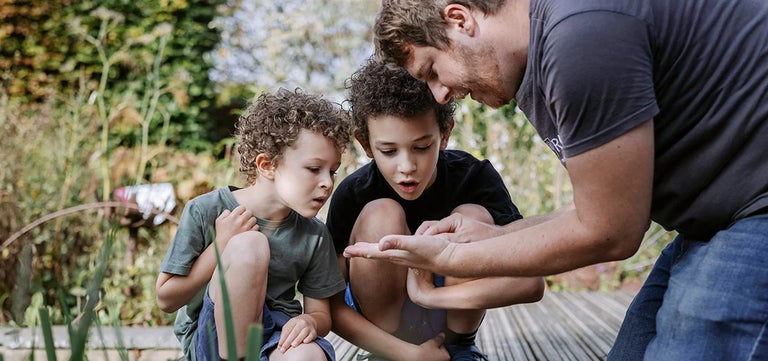
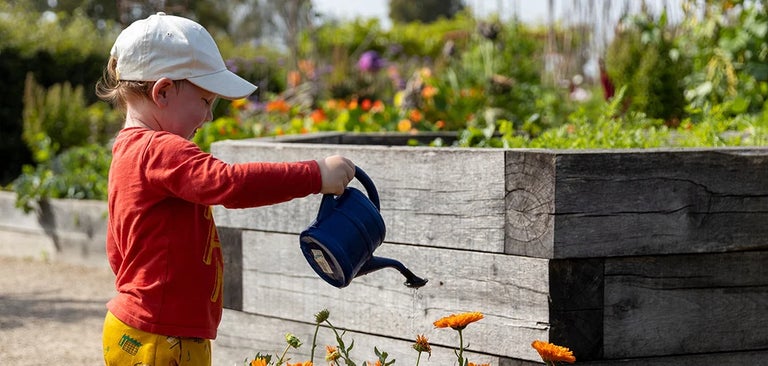
Gardening, indoors and out, gives children a sense of achievement. Looking after a garden or houseplants can improve their confidence, self-esteem and wellbeing, and give them a sense of purpose and responsibility. Not all children have access to outdoor spaces but they can bring the outdoors inside by caring for and nurturing houseplants.
A beautiful indoor space, full of plants, can also bring wellbeing benefits for parents and guardians, who may be spending a lot of time in the home caring for children.
Encouraging children to care for plants over time helps build respect for living things and fosters sustainable habits from an early age.
Although some houseplants may be harmful if ingested, many are perfectly safe. As a child’s understanding develops, plants present an opportunity to teach them that not all things are edible or safe to touch.

With their decorative and diverse foliage, these compact houseplants are fascinating to grow and easy to start as a collection. They are low maintenance, adaptable and forgiving of occasional neglect.

These foliage houseplants with disc-shaped leaves are easy to grow. Usually green or variegated subtle shades of green. Separate offshoots with roots and pot up individually to make more.

With narrow variegated leaves, this popular houseplant produces an abundance of cascading, spider-like baby plants. It’s tolerant of neglect and easy to propagate as babies can be easily potted or rooted in water.

Sansevierias are among the easiest yet most dramatic of all houseplants, and remain popular. Robust and undemanding, they thrive in both bright and low light.

The tropical-looking foliage makes this an eye-catching house plant. It can cope with less sunlight, making it a good option for a shadier room.
Children love to explore, and younger children, or those with learning disabilities, want to touch, pull and even eat plants as they begin to explore their surroundings using their senses. Small children have a habit of eating things they shouldn’t and this is the biggest risk, especially with toxic fruit or seeds. They are likely to be affected at lower doses, compared to adults, and there is a risk of irritation to skin and eyes.
Whether for a bedroom or playroom, try adding one of these houseplant suggestions to spark their imaginations and encourage the creation of fun displays.

Children love plants that are interesting and a bit different. Why not try older children with some carnivorous plants like a Venus flytrap? Just remember not to feed them biscuits and cheese: the plant that is...

Which little hands can resist experimenting their sense of touch on a prickly cactus? Cacti are generally low-risk in terms of toxicity. Avoid those with shedding spines such opuntia and tephrocactus.

Children can start growing indoors in spring and early summer, then watch as their work yields results.
"Growing vegetables from seed, things like courgettes, beans and peas is a great starter plant as they are easy to handle and sprout quickly, leading to (almost) instant gratification for those with low attention spans."

Some plants are safe as long as warnings are heeded, and there is an awareness of the risk they present, especially to younger children. Treat more toxic plants with caution, in line with the child’s age, development and behaviour.
The Horticultural Trades Association (HTA) provides a list of toxic plants and they categorise them by A, B and C, according to the severity of the hazard. None here are in category A, the most potentially harmful but here’s a list of some of the lower categorised plants in level B.
Warning
Bear in mind that just because a plant isn’t included on this list, it doesn’t mean it’s safe to eat. Only parts of plants expressly grown to be eaten, should be considered edible. Plants are not included if they have never been implicated in cases of human poisoning, or if there is evidence that they cause none, or only mild effects – such as an upset stomach.
If you suspect a child in your care has eaten a potentially harmful plant, or has had an adverse response due to close contact with a plant, please seek medical assistance immediately. Ideally, take a specimen in a sealed container or zip bag for identification by a health professional. Provide as much information about the circumstances as possible.