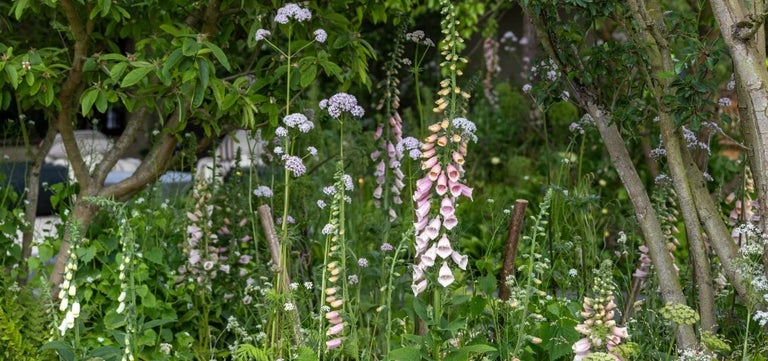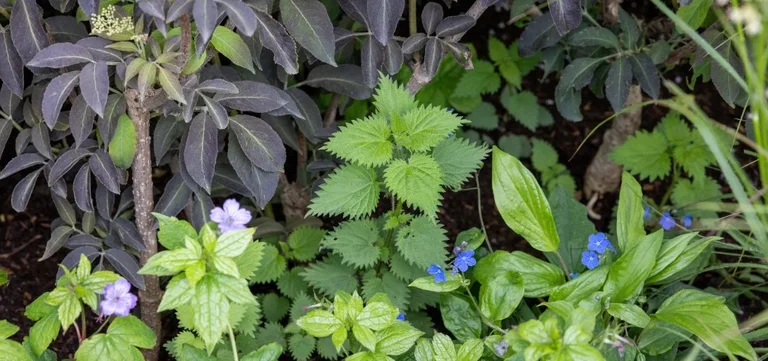
8 plants you weren’t expecting to see at RHS Chelsea 2026
The weeds, the wacky and the weird from this year’s RHS Chelsea Flower Show


RHS Chelsea
Flower Show
Plant for the future with these designer-chosen trees for climate change, inspired by the 2026 RHS Chelsea Flower Show
It’s becoming increasingly impractical to choose a tree simply because we like it – or even because it suits the current conditions in our garden.
A tree is a long-term investment, so as gardeners we need to think ahead and choose trees that will continue to thrive in a changing climate.
A range of resilient choices were on display at RHS Chelsea Flower Show this year. Here are five drought-tolerant trees that will bring structure, shade and beauty to your garden while continuing to thrive in warmer, drier summers.

The Tate Britain Gardenis a garden designed around foliage power. Punctated by eyecatching cycads, soft foliage flows through a structural framework of beautiful multi-stemmed trees. These trees are Lagerstroemia indica ‘Natchez’. Their standout feature is their stunning two-toned , which as it peels, clothes the smooth trunks in a mesmerising camouflage-like pattern.
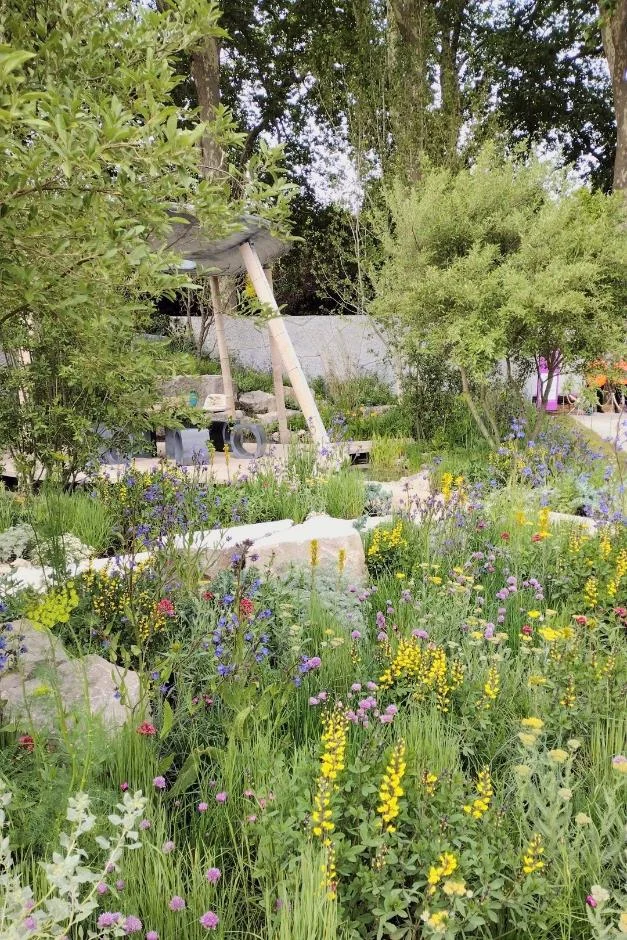
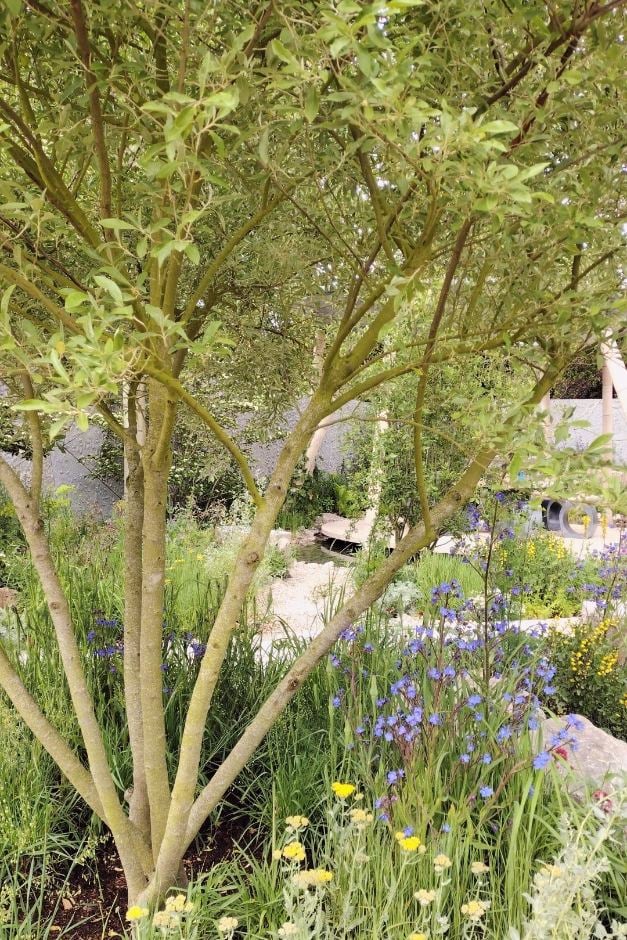
Found on The Eden Project: Bring Me Sunshine Garden, this little semi-evergreen tree is a real winner in challenging coastal conditions. The rounded canopy of small greyish green leaves is peppered with small but very fragrant creamy-white flowers in spring, and hung with red berries in summer. These are edible – in fact, the tree is cultivated for fruit in its Japan – and are a favourite with birds. Like all Elaeagnus, cherry silverberry is anRHS Plant for Pollinators, so it’s a great wildlife all-rounder.

A more climate-proof alternative to the UK native field maple Acer campestre, the Montpellier maple can be distinguished by its leaves having just three lobes rather than five. It’s used on both The Campaign to Protect Rural England Garden: ‘On the Edge’ and The Project Giving Back Garden.
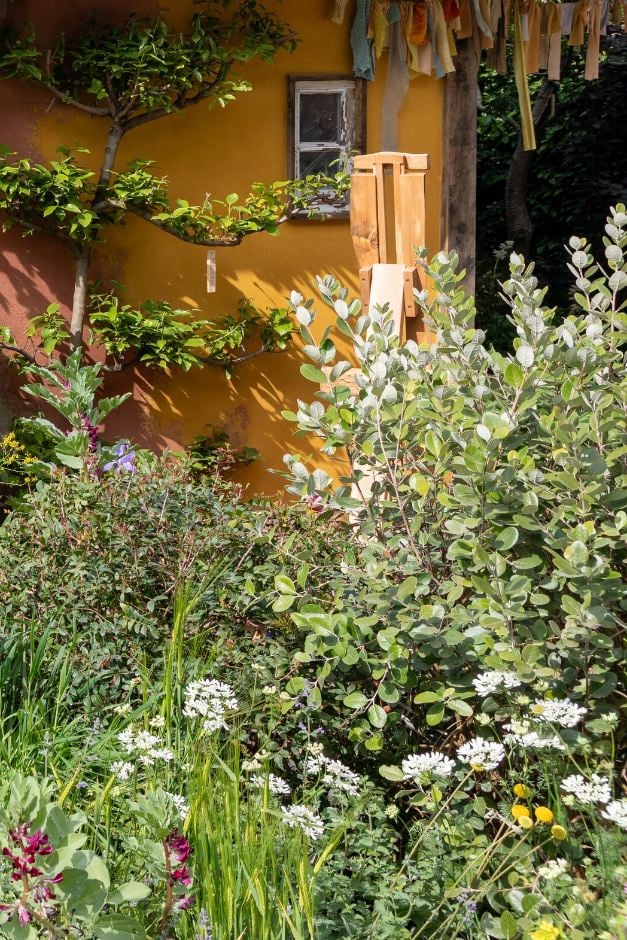
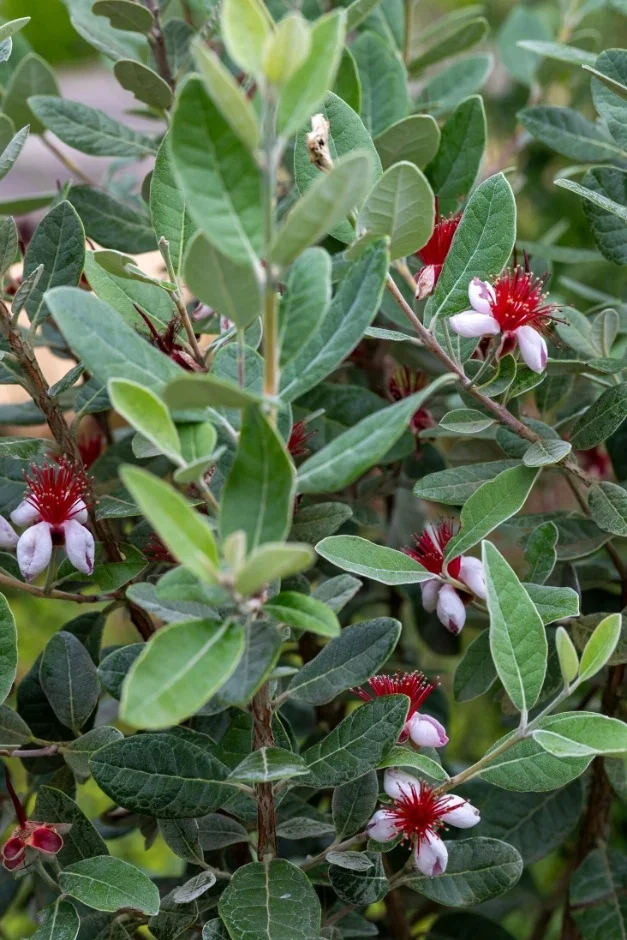
Technically, Feijoa sellowiana – or Accasellowiana, as it used to be known – is a shrub rather than a tree. But its versatility in providing evergreen structure and being ideal for hedging, as well as its unique crimson flowers and a potential bonus of a small crop of tasty fruits once mature, makes it worthy of a mention.

If you have space, a Scots pine makes a magnificent focal point in a large garden, and despite being a British native, it’s remarkably climate-proof. Two large, sculptural specimens are used to great effect in framing The Asthma and Lung UK Breathing Space Garden. Several are also used on The Project Giving Back Garden.
Discover the story behind how these pines came to be such magnificent shapes in 8 star plants of RHS Chelsea 2026.
Find out more
Get the look: Shop the Show Garden plants from RHS Chelsea 2026 here >
About the author – Olivia Drake
With a background in biology, Olivia is passionate about sustainable horticulture, biodiversity and the role gardening can play in conservation. She is trained as a botanical horticulturist and previously worked in public gardens around the UK and abroad.