10 standout plants of RHS Hampton 2024
Meet the floral stars of the show and discover inspiring plant ideas to take home from this year’s RHS Hampton Court Palace Garden Festival


RHS Hampton Court
Palace Garden Festival
What can we learn from RHS Hampton Court Palace Garden Festival 2024? Discover the best in garden design, planting ideas, money-saving tips, and styling from this wonderful summer event
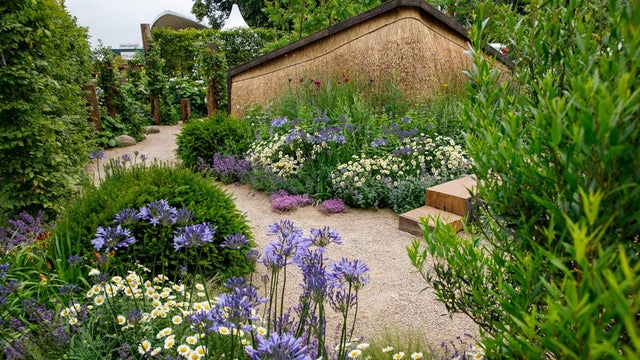
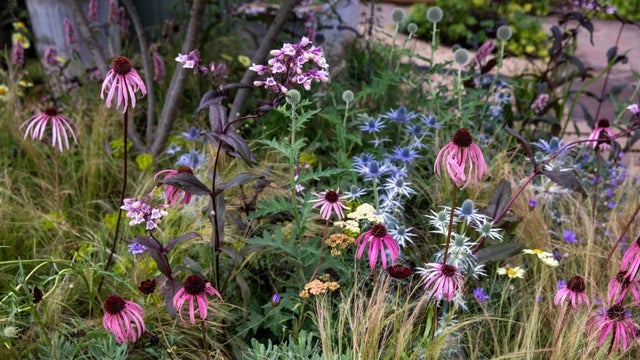
Summer arrived in the UK at last as the RHS rolled out the green carpet for floral-clad visitors flocking to this glorious horticultural event at the historic Hampton Court Palace. If you missed out on visiting the Show this year, here are some of the top trends, brightest ideas and freshest floral palettes to inspire you.
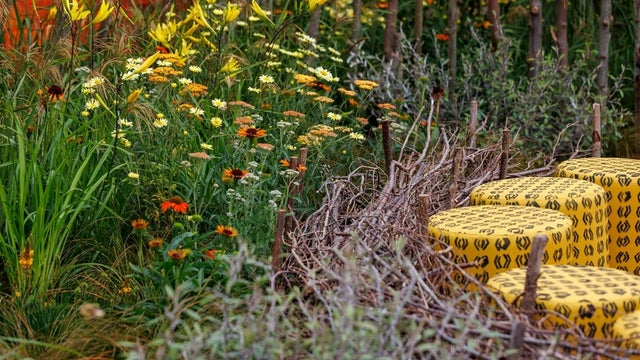
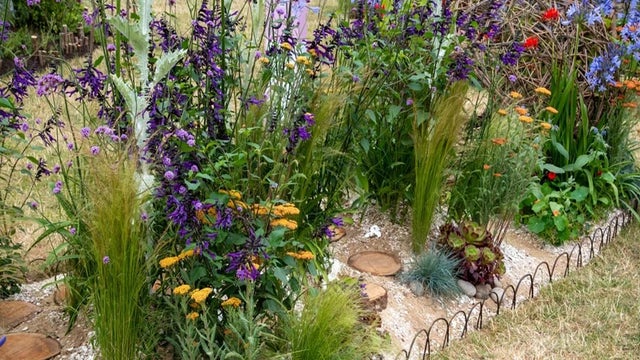
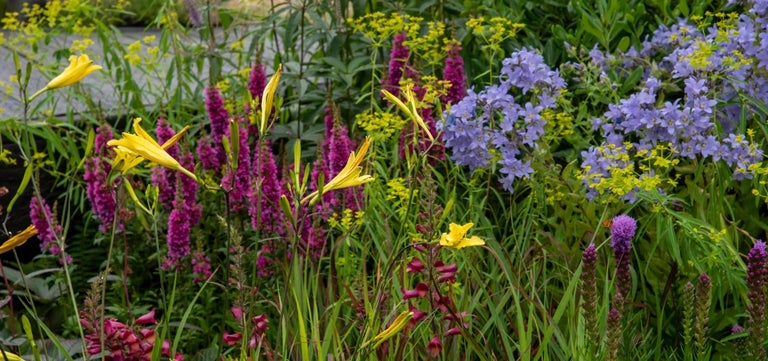
Colour burst onto the showground in a mix of rainbow shades, but the standout colour at the show in 2024 was lemon yellow. From Hemerocallis (daylily) to bright yellow furniture on The Reinvention of Yellow, it was everywhere. Whether teamed with limey greens or a sea of ocean blues, yellow was having a ‘hello sunshine’ moment.

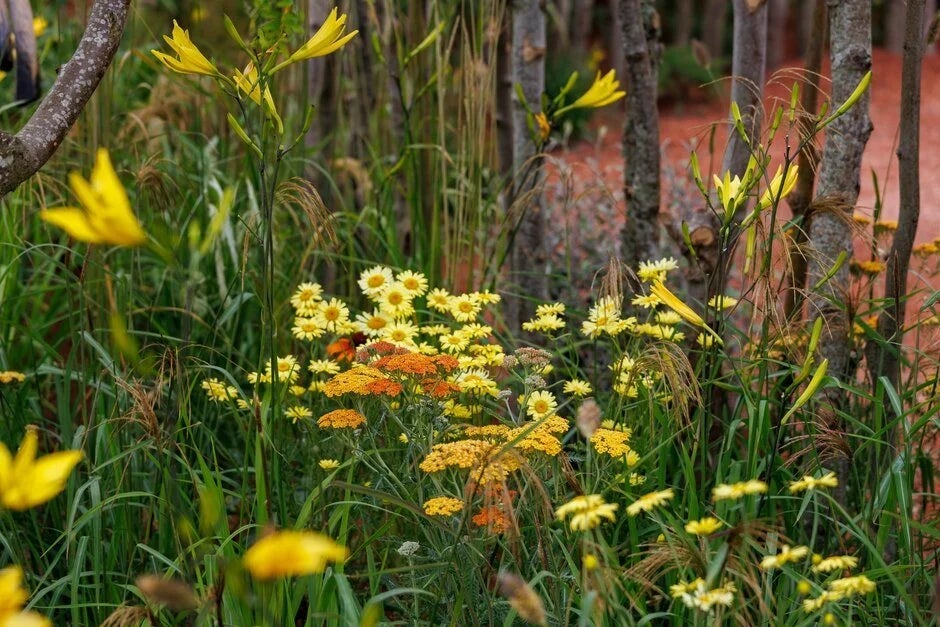
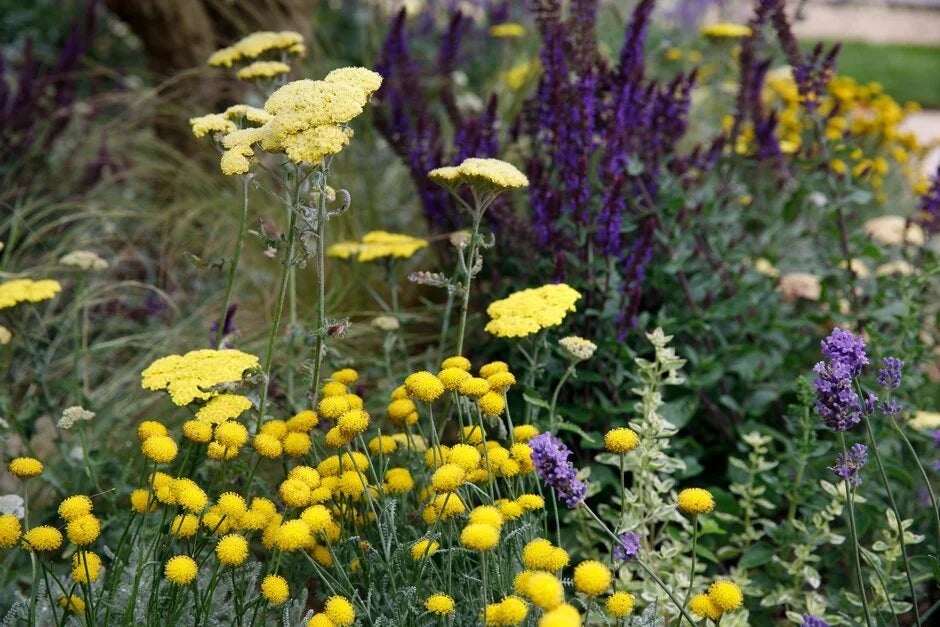
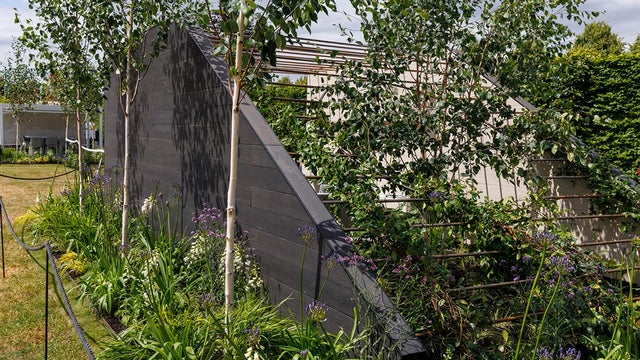
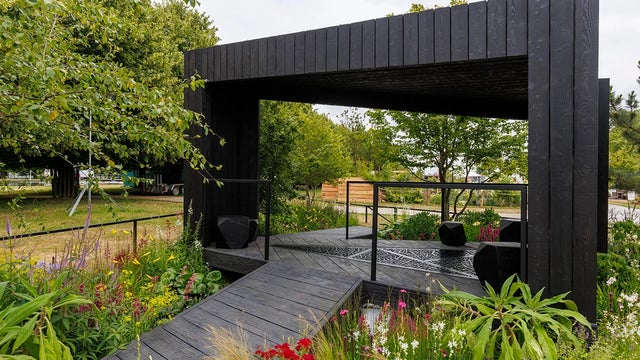
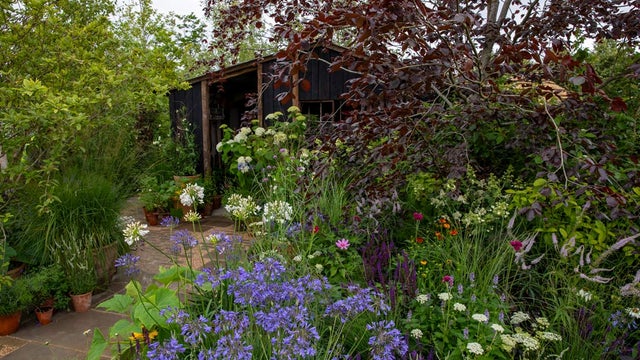
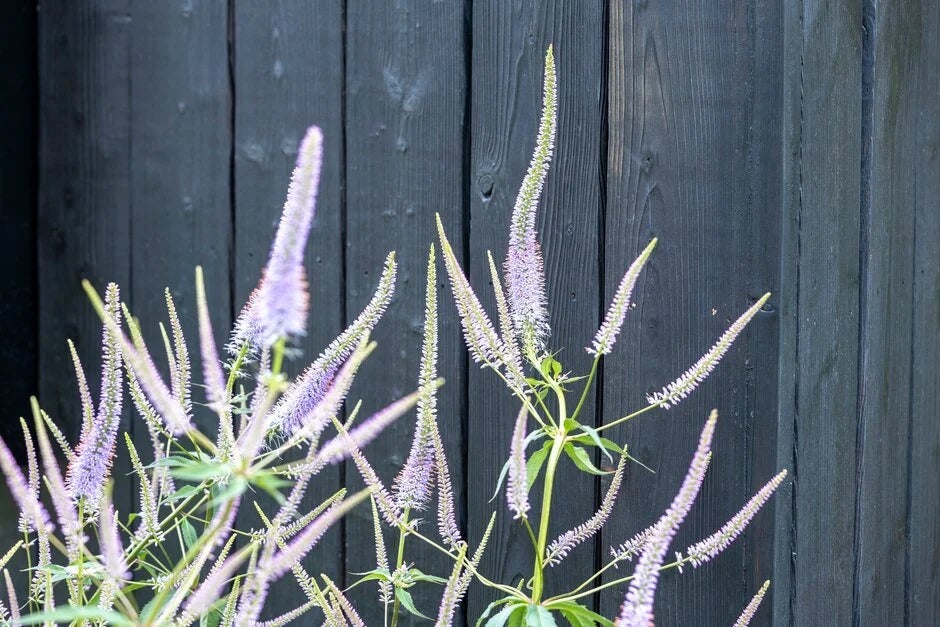
On the dark side, blackened timber, dark foliage and brooding flower tones were a striking contrast, setting off a variety of palettes in peaches, lilacs and greens. Dark shades become a shadow, allowing us to hide elements, or provide an inky backdrop for plants in the foreground.

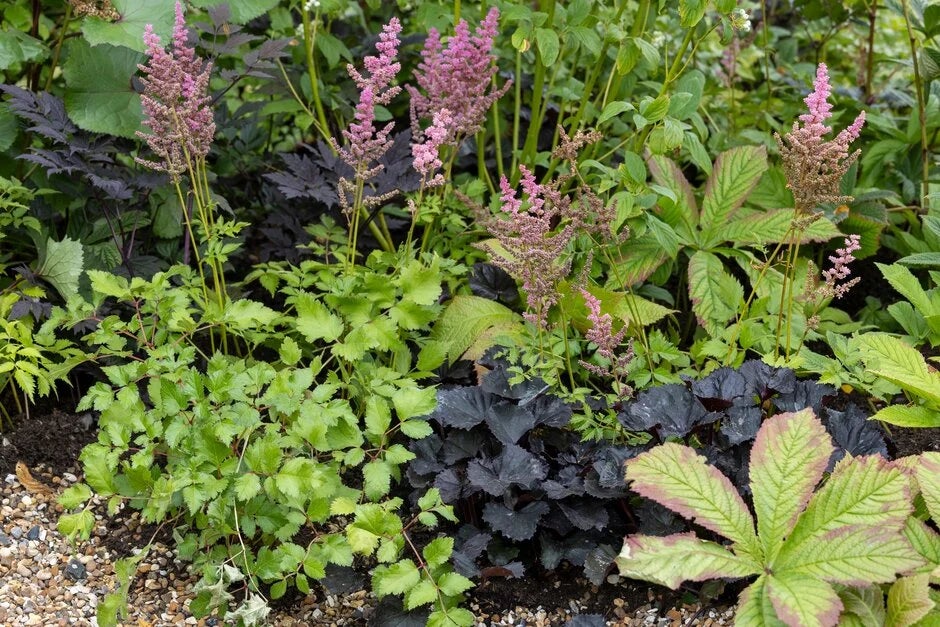
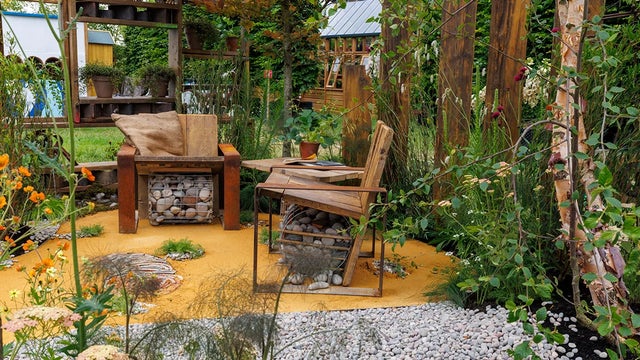
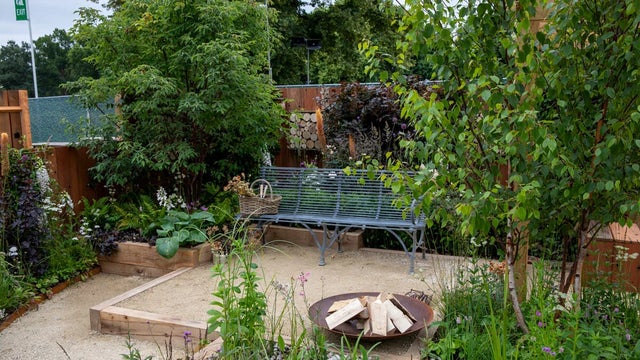
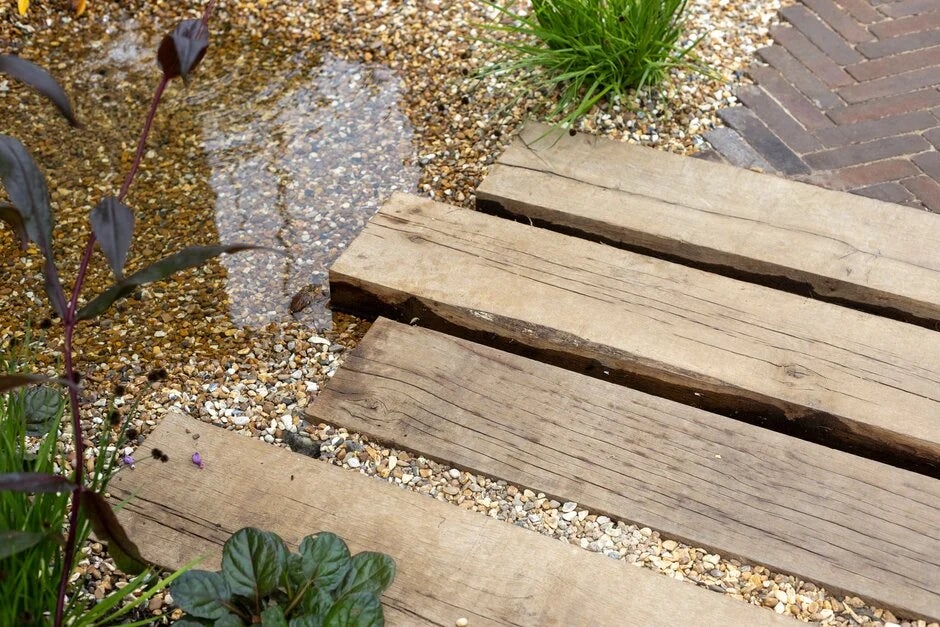
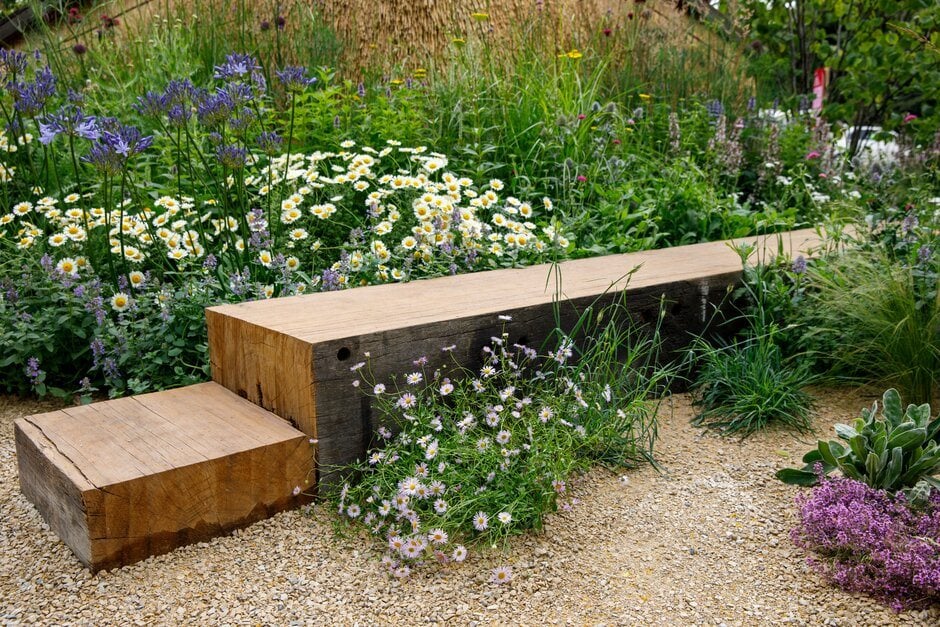
Timber was widely used across the Show in brilliant and creative fashion. Edging, seats and walkways were all made from warm-toned wood. This included many recycled elements, such as using scaffold planks to make tables and hand-made chairs.
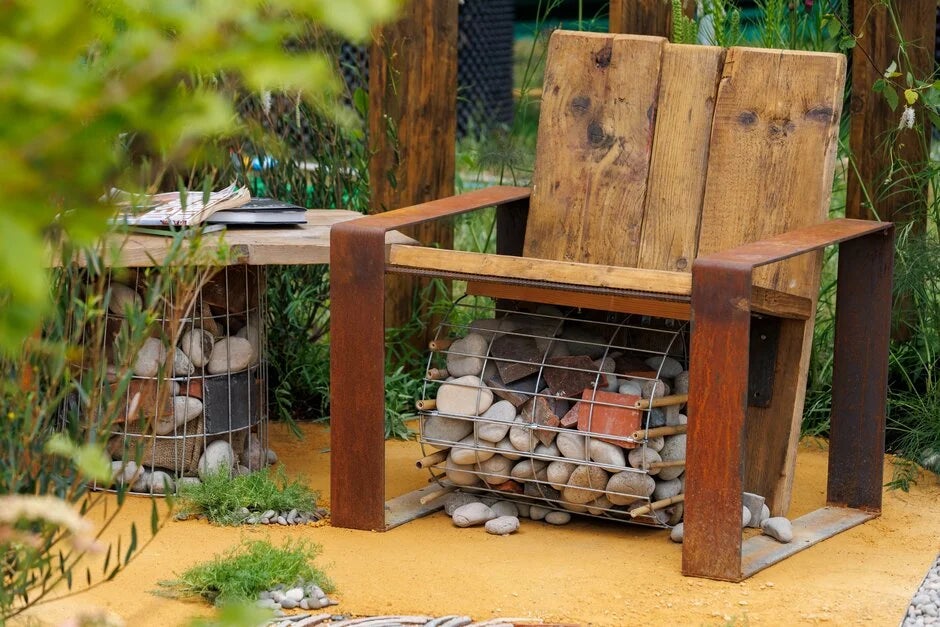
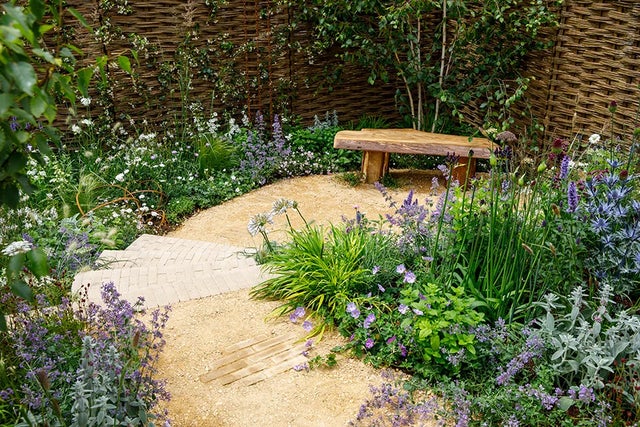
Screens and fences came in all shapes and timbers, from chunky birch branches to thin golden planks. Leaving gaps between the timbers slows the wind down, and provides privacy without being a solid barrier, useful to give the illusion of space in a garden by creating ‘rooms.’

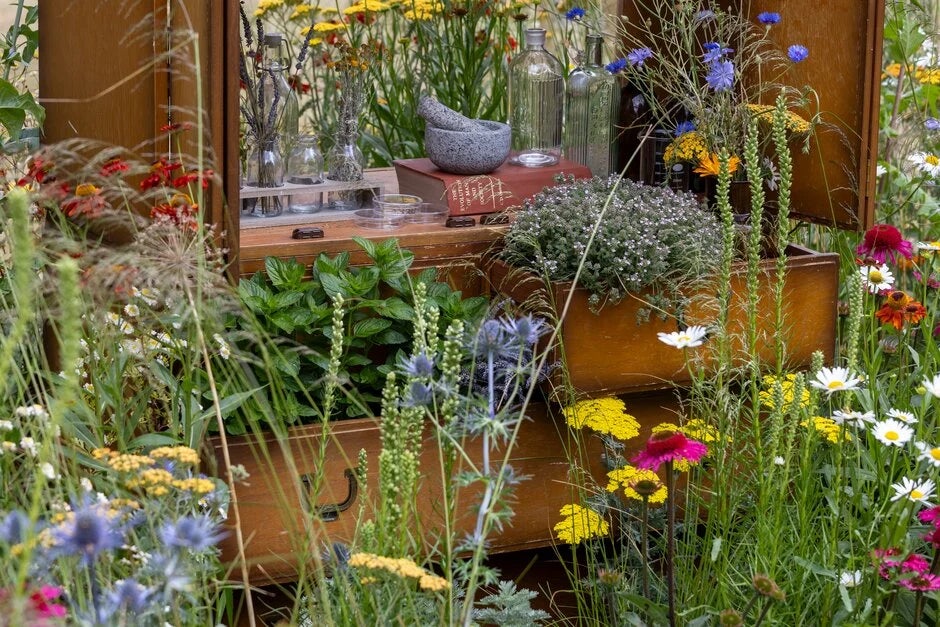
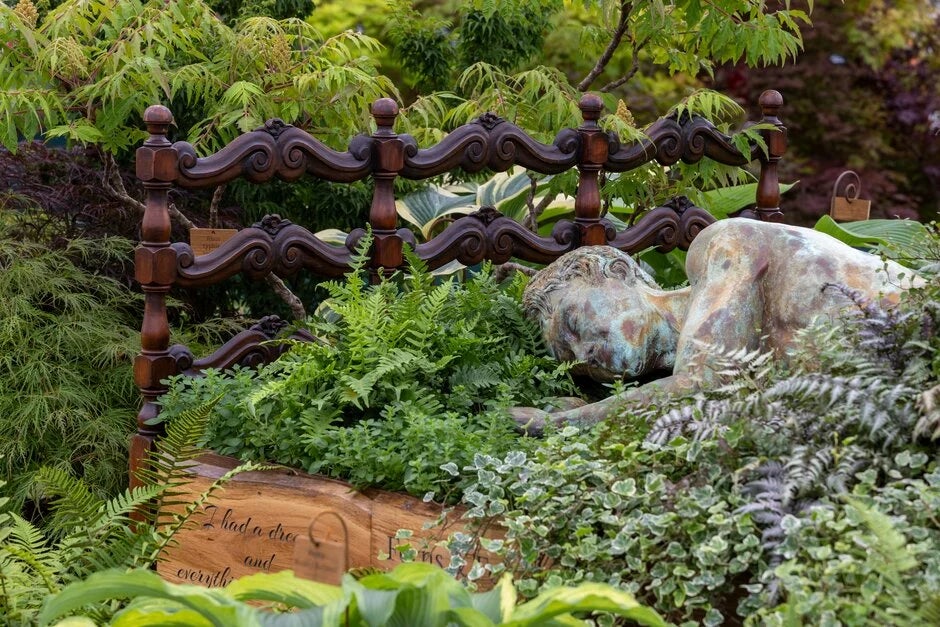
The doors were open and the furniture had escaped into the gardens. Clever use of cupboards, cabinets and even beds gave the gardens a homely feel. Using repurposed furniture means giving those retro pieces another life amongst the plants and takes the shabby chic look to another level. You might need to give your repurposed items a lick of varnish to make them last that little bit longer, or just enjoy the patinas and textures that form as they age gracefully.

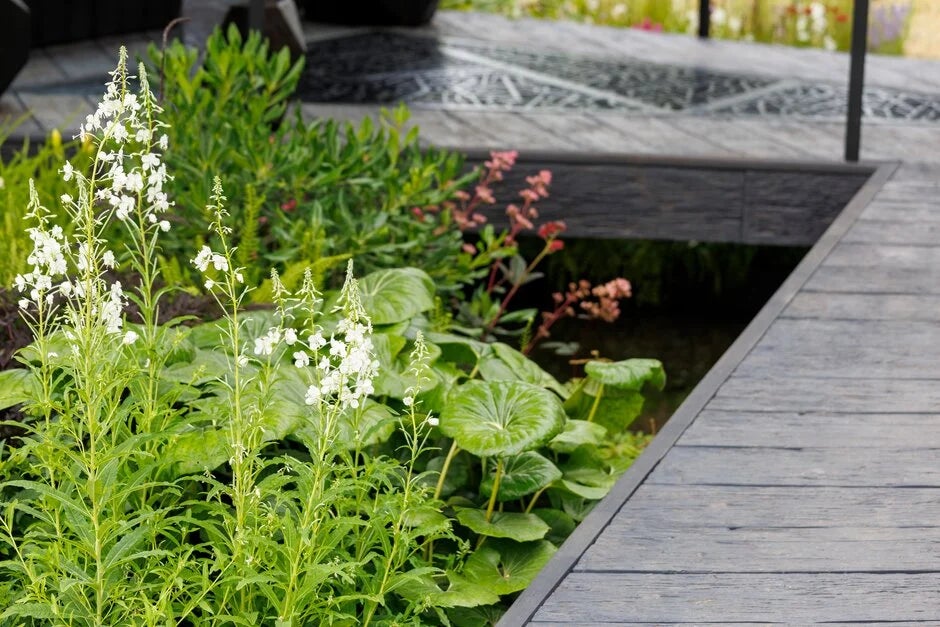
Walkways elevated the views of the gardens to another level. A timber walkway through planting doubled as a bench, while a gently sloping ramp took you to a building that hovered above a pool. This would be useful in a garden that often floods and gives you an extra dimension to play with planting, around and under the walkways.
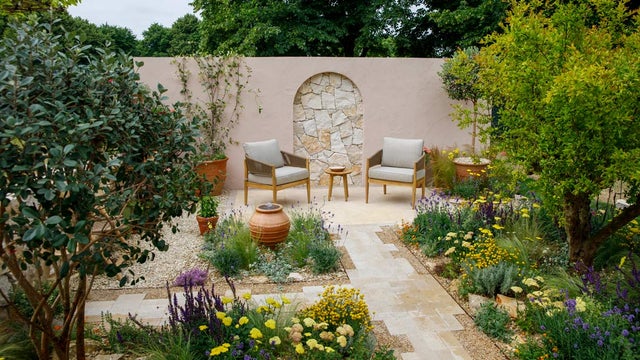
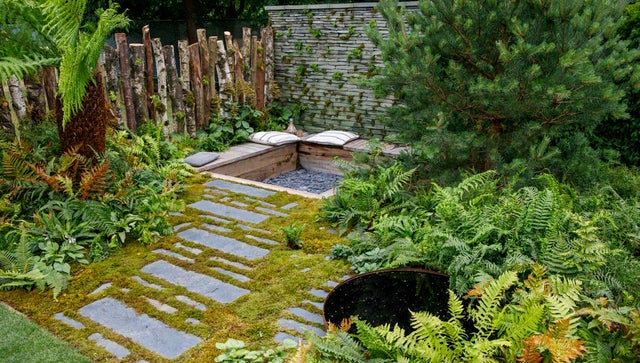
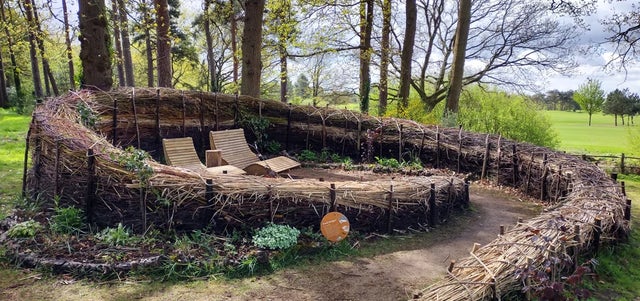
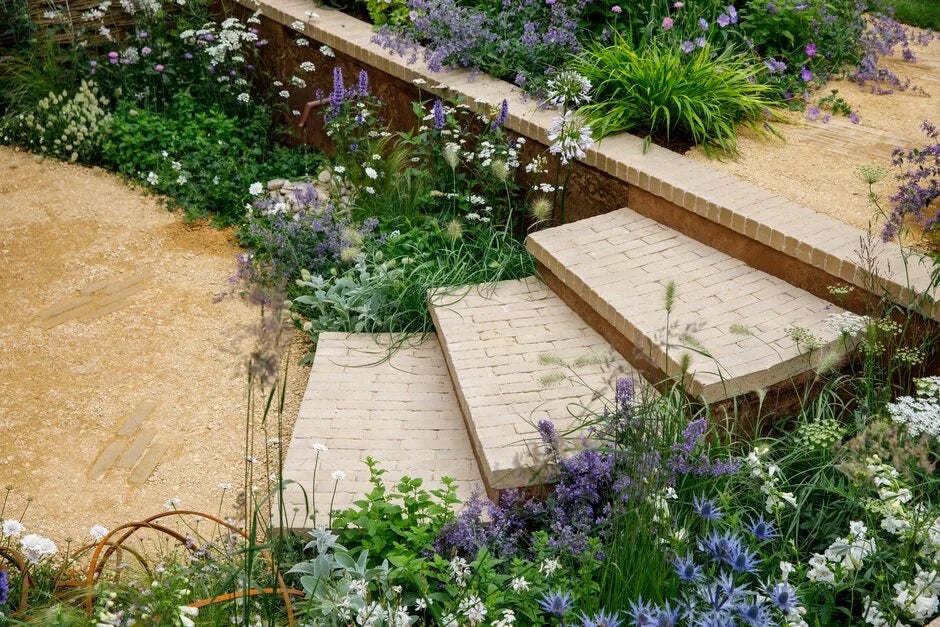
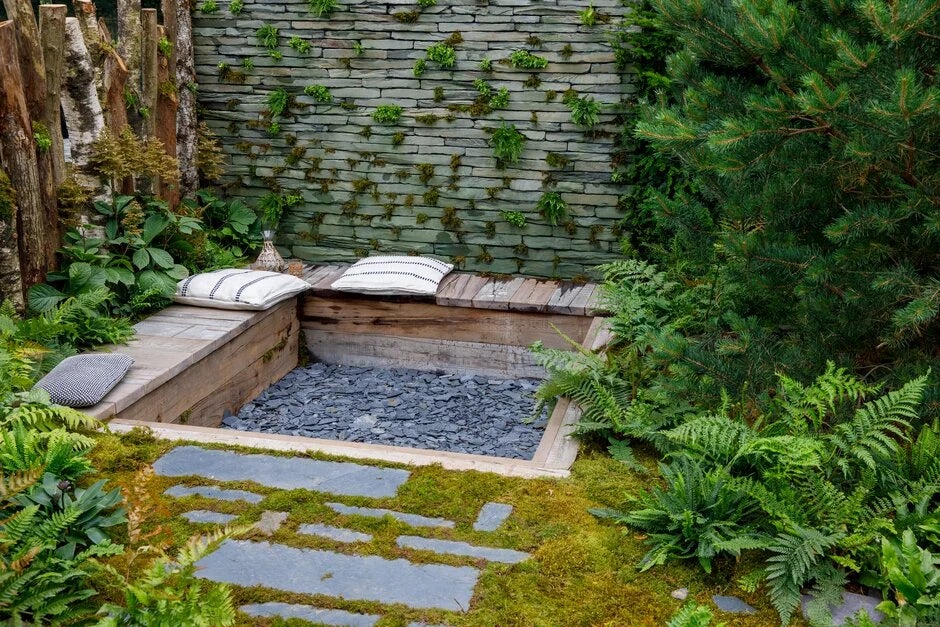
If you can’t go up, take it down. Sunken areas were seen in several gardens, creating cool, chic seating areas. This allows you to surround a space with plants and add a touch of drama to a garden. They’re also a perfect way to provide privacy and a sense of peaceful seclusion.
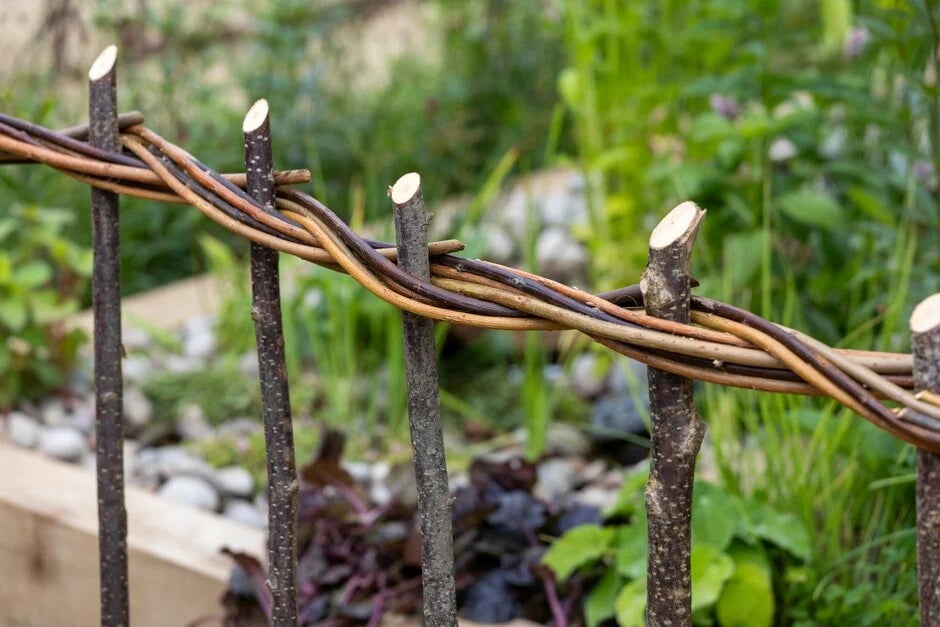
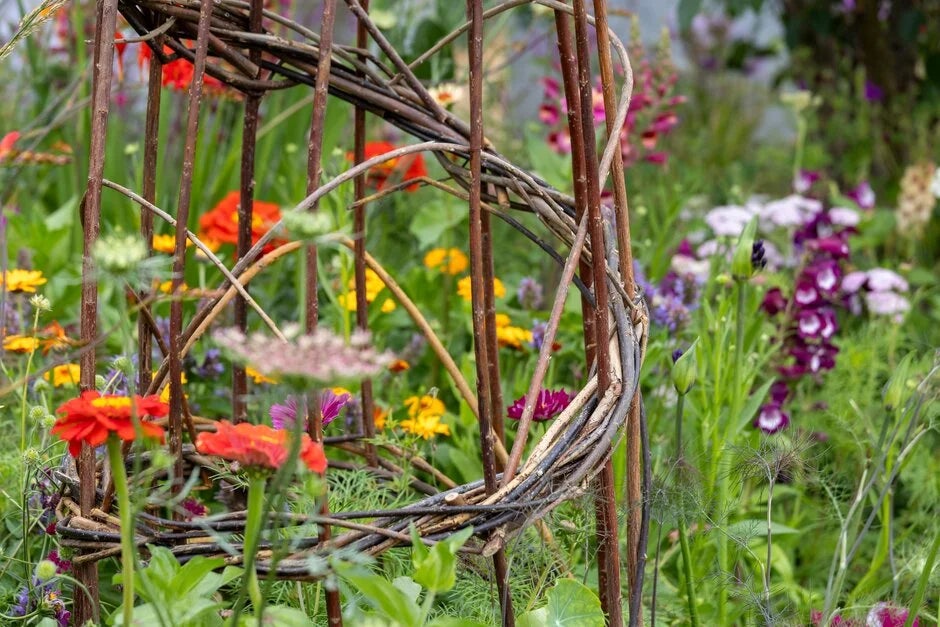
Swirling and twisting its way around many Show gardens, willow was having a moment and doing it with style. Used as bins, dens, fencing and plant supports, this wonderful pliable material is fun to play with and easy to try at home. You can source online or grow your own to cut at home.

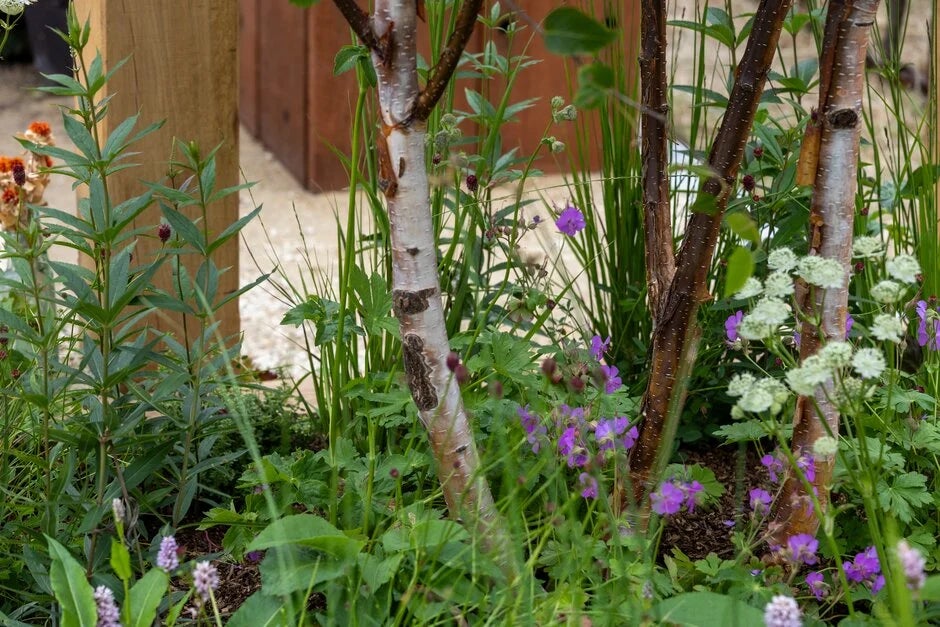
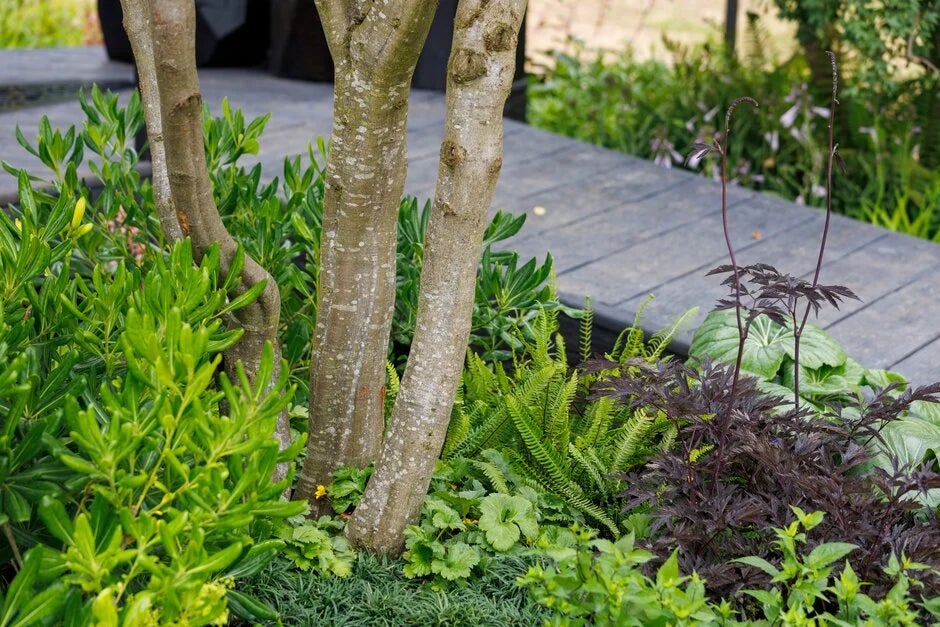
Undeniably beautiful, trees with multiple stems were as popular as ever in Show gardens, providing drama, structure and elegance. The joy of a multi-stem tree is that it gives you height in a space without feeling heavy, allowing planting to surround its base in dappled shade.
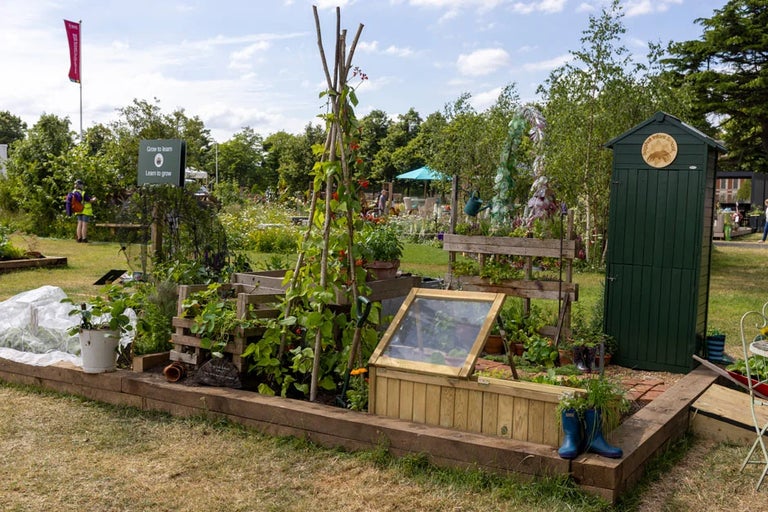
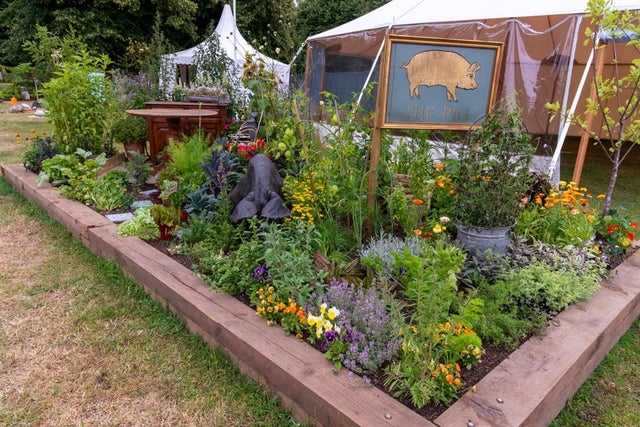
The choice of edibles available continues to grow, quite literally, and many gardens were showing off unusual colours or ways of displaying veg, from kokedama to cushions. We are encouraged to ‘eat a rainbow’ of fruit and veg, which gives us a wide variety of antioxidants, vitamins and minerals.

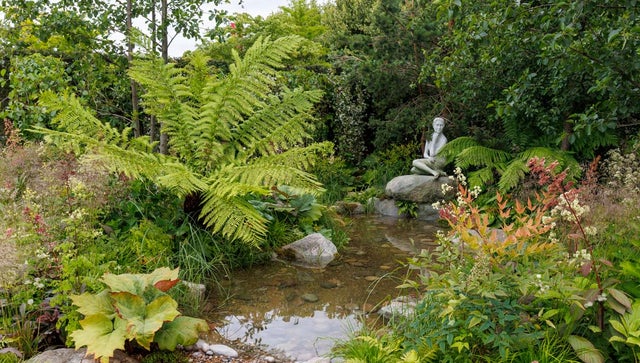
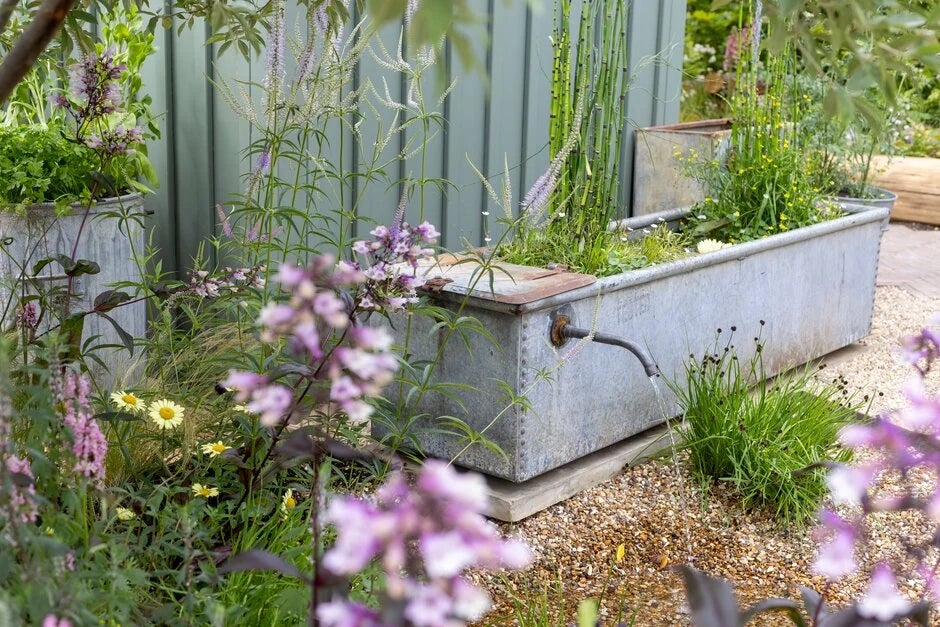
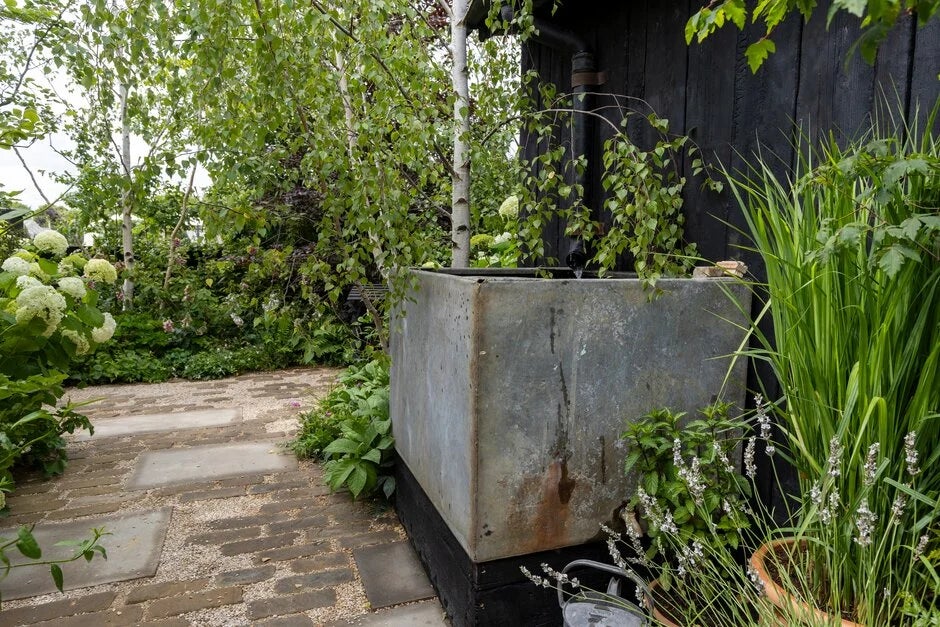
The water tank remained popular, with designers using them to create beautiful ponds, planters and storage. Adding taps, spouts and rain chains makes the most of any free water from buildings and is an important way of storing water for periods of drought. It also slows water down and reduces flooding.
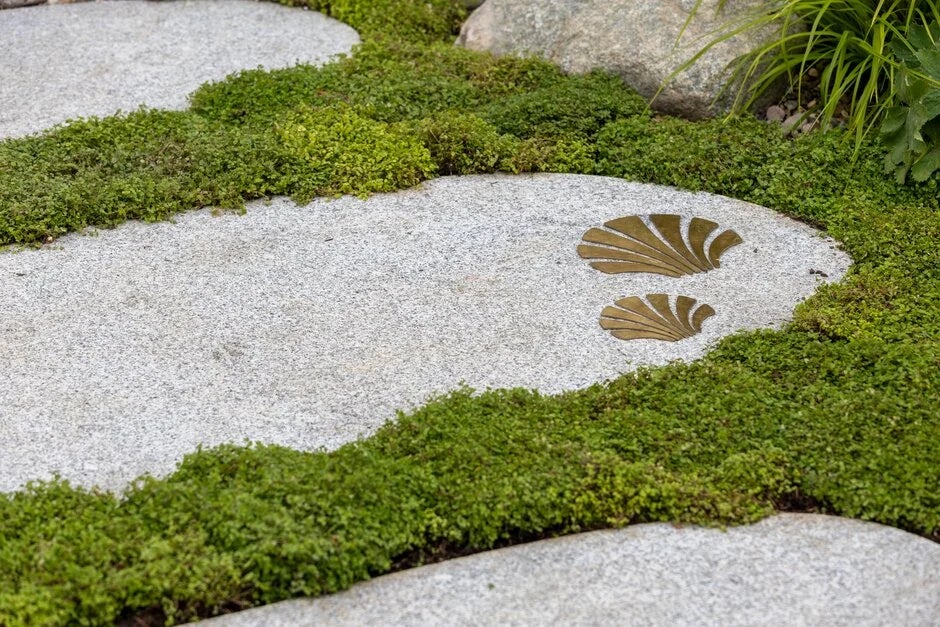
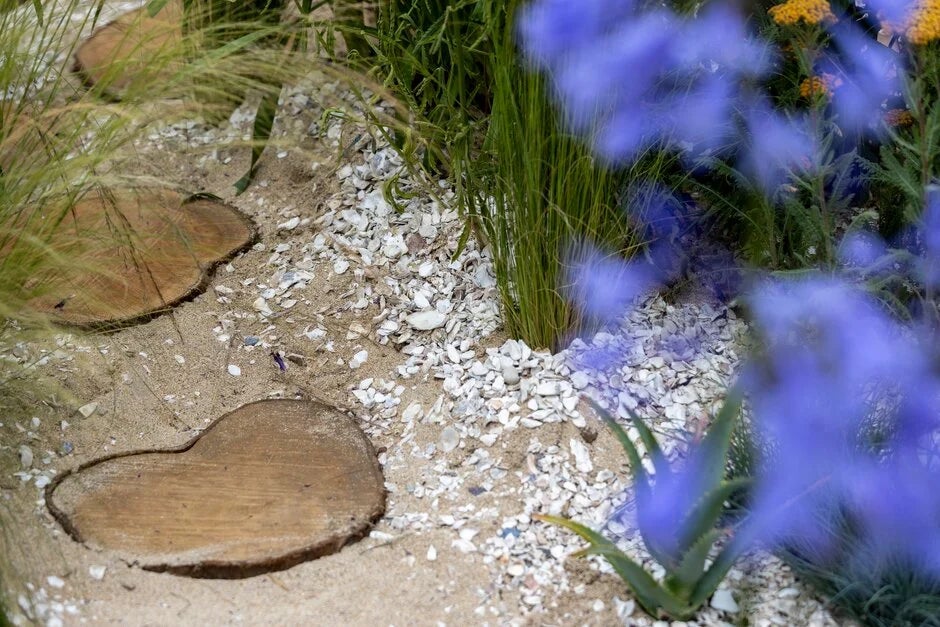
There were lots of ideas to personalise your garden with a little seaside style, from adding golden shells to pavers, to ‘shellcreting’ pretty shells to pots. Shells were also used as a and are a waste product of the shellfish industry.

Rapidly becoming a popular way to create a fence is the dead hedge – made using uprights as supports for laying shrub pruning’s and tree branches in layers. As it decomposes you can keep adding more, giving you an ever-changing piece of art that doubles up as a wildlife home, and reduces the need to take waste away.