6 ways to help bees beat the heat
Easy ways to look out for pollinators this summer as successive heatwaves threaten their survival
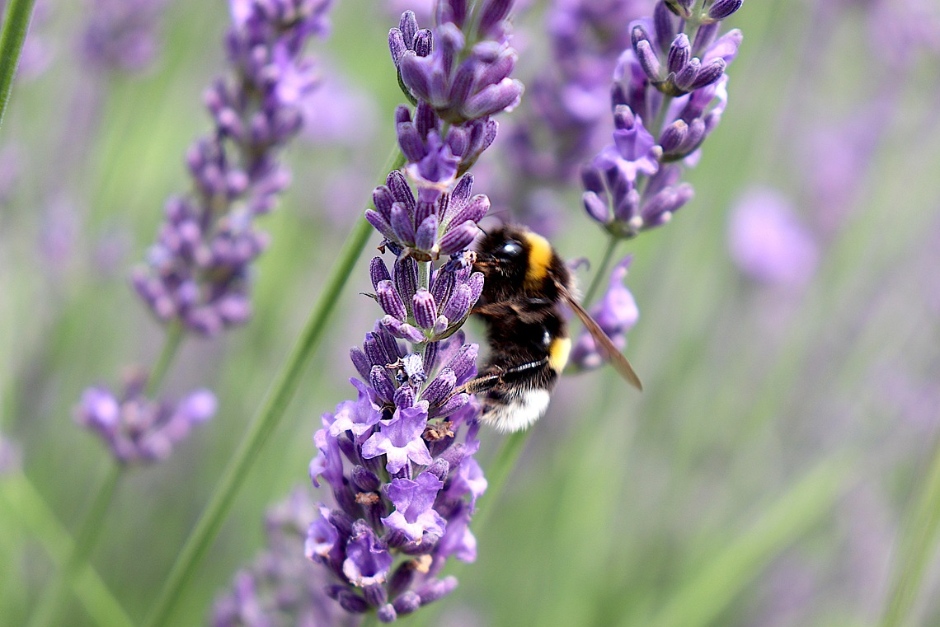
While many pollinators are initially more active in warm weather, insects such as bumblebees overheat very quickly and struggle to fly above 30°C, reducing their ability to forage for food.
Prolonged or successive heatwaves can also put plants into drought stress, meaning they produce less nectar and fade more quickly. This can disrupt the larval stages of many pollinators – for example, butterfly and moth caterpillars may not complete their life cycle if host plants dry out prematurely.
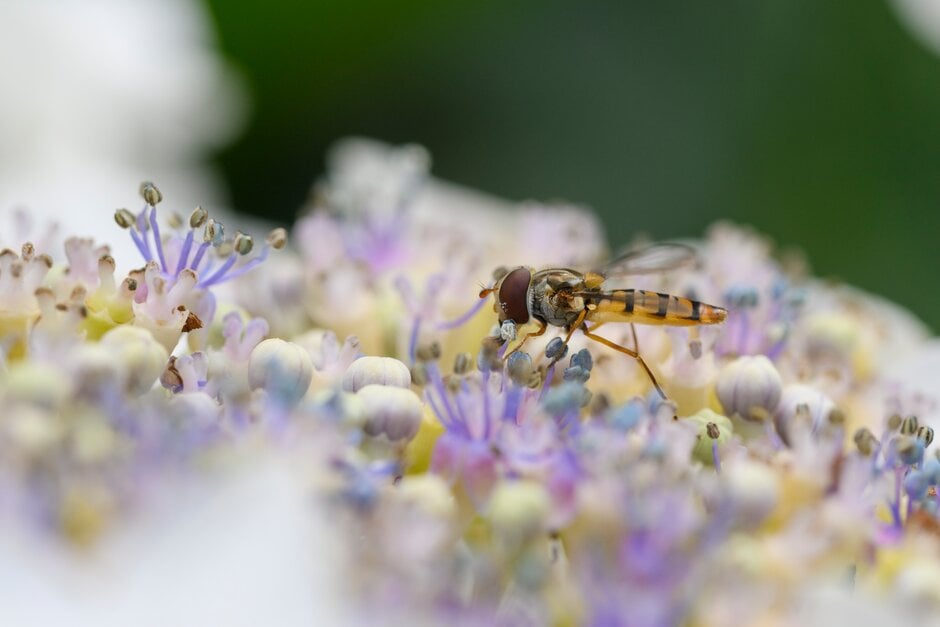
Finally, pollinators that rely on aquatic conditions for their larval stage, such as many hoverflies, can be impacted when the boggy ground and water-filled holes in trees dry up.
Here are five ways you can help these invaluable invertebrates survive the heatwaves.
5 ways to help pollinators beat the heat
1. Stock the nectar bar
Provide a diverse and long-flowering range of pollinator-friendly plants, especially drought‑tolerant flowering plants that continue producing nectar during hot weather, such as salvias, lavender, Verbena bonariensis and Erigeron. According to new insights from the RHS Grow app, salvia is the most widely grown pollinator‑friendly plant group in UK gardens. Salvia nemorosa ‘Caradonna’ is the most popular, followed closely by Salvia ‘Hot Lips’.Small-leafed salvias are relatively drought-tolerant and have a long flowering season, with their tubular flowers well suited to feeding pollinators over an extended season. But there are loads of other plants to choose from – discover more perennials for pollinators here.
- In 2025 the RHS updated its Plants for Pollinators lists, giving the UK’s 41 million gardeners even more plants to choose from to support
biodiversity
![]()
Put out a ‘bee drinker’, consisting of of a saucer with pebbles that small insects can land on to drink safely. Keep this topped up with fresh water – it will probably need checking every day.
3. Water selectively
Concentrate any garden watering on plants that are in flower or just coming into flower, to try to keep them producing nectar. Use grey water wherever possible, and observe any hosepipe bans.
4. Prolong flowering
Move pots of flowering patio plants into the shade to help them keep flowering despite the heat.
5. Provide shade
Ensure solitary bee hotels are in semi-shaded locations, especially if your garden is in the south or a city. Put up some shade over those that are already in a sunny spot – you could use an old sheet, a parasol, or cut a branch or two from a mature shrub.
6. Keep breeding grounds open
Use precious stored rainwater to top up any small ponds, water features or bog gardens. Focus on pockets of water containing rotting vegetation, which are ideal for dronefly larvae.“Gardeners across the UK are already embracing plants that offer reliable nectar through the summer, and that collective effort really does matter. By taking a few more simple steps, every garden can become an oasis that helps pollinators continue to flourish.”