RHS Scientists reveal new Plants for Pollinators
The expanded 2025 list now includes over 10,000 plants, with evidence-based plant choices to benefit all kinds of pollinators, from bees and butterflies to moths and hoverflies
Following an extensive review of the RHS Plants for Pollinators list, first launched in 2011, the number of recommended plants has increased to include all the plants in popular groups such as lavenders, campanulas and euphorbias, with just 14 plants removed owing to a lack of strong evidence of their benefits to pollinators.
“We’ve thoroughly reviewed the list, ensuring that every plant meets strict new criteria,” says Dr Andy Salisbury, who led the review team. “Informed by the research, the Plants for Pollinators list have been updated to ensure these recommendations are more robust than ever, giving gardeners extra confidence in the plants they choose.”

All hardy salvias (hardiness rating H4 and above) are now RHS Plants for Pollinators
What has been done?
An expert team from RHS Science and curatorial, including entomologists, wildlife specialists, botanists and horticulturists, carried out a full, evidence-based review of the Plants for Pollinators list between 2019 and 2025. This research has been peer-reviewed and published today in the journal BioScience.
In total, 354 plants or plant groups were assessed using a flow chart decision tree, which ensured that every plant included on the list met a strict new set of criteria. Each plant was then further assessed by the expert working group to confirm individual cases.
Evidence on the value of individual plants was gathered through a thorough review of existing UK research, including measurements of nectar production by different plants obtained by review team member Dr Nick Tew during his PhD with the RHS.
For plants lacking pre-existing data, trained volunteers at the RHS Gardens are recording visits to these plants using a standardised survey method called Flower-Insect Timed Counts. Developed by the UK Pollinator Monitoring Scheme, this method involves counting all the insects that visit a plant during a 10-minute timeframe, which when repeated, produces an average pollinator visitation rate for each plant species.
What criteria does a plant have to meet?
To be included on the RHS Plants for Pollinators lists, a plant must meet all the criteria in the flow chart decision tree created by the RHS team.
These are:
- The plant is widely available to buy in the UK, able to grow outdoors in the UK climate, and not
- The plant is associated with good published evidence that it is visited by UK pollinators
- If the plant is only occasionally visited, it must be important to pollinators for another verified reason, such as being very high in , flowering between September and April when less forage is available to pollinators, or benefitting a particularly wide variety of insects.

Look out for the RHS Plants for Pollinators badge on the label when choosing plants
What has changed?
The review found that more than 90% of plants included on the original lists have strong evidence of being beneficial to pollinators. Just 4% lacked robust evidence and have been removed from the lists. The remaining 5% require further research, which the RHS is carrying out through the Flower-Insect-Timed Count surveys.
“For some plants, enough evidence was found to expand their representation on the list to include the whole genus,” says Andy. “This means the number of individual plants on the lists is much higher than before.”
In fact, 19 plant groups have been boosted to include the whole genus, meaning any hardy (H4 or above) species, variety or within groups such as Campanula (bellflowers), Erica (heathers), Euphorbia (spurges), Lavandula (lavenders) and Prunus (cherries and stone fruits) is now a Plant for Pollinators, bar a handful of exceptions, such as double-flowered cherries.
Just 14 plants have been removed from the lists, including Catananche caerulea (Cupid’s dart), Cleome hassleriana (spider flower) and Cuphea ignea (cigar plant). Full details can be found below.
The changes in detail
Plants that have been boosted to whole genus level
The following plant groups are now all Plants for Pollinators, save a handful of exceptions such as double-flowered forms or non-hardy forms (H3 or less).
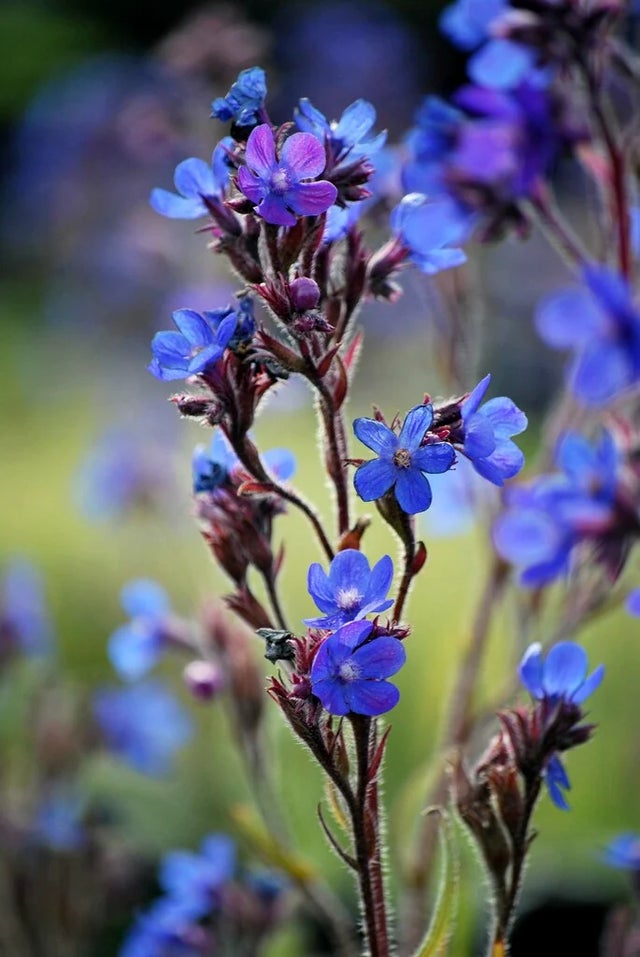
Anchusa (bugloss or alkanet)
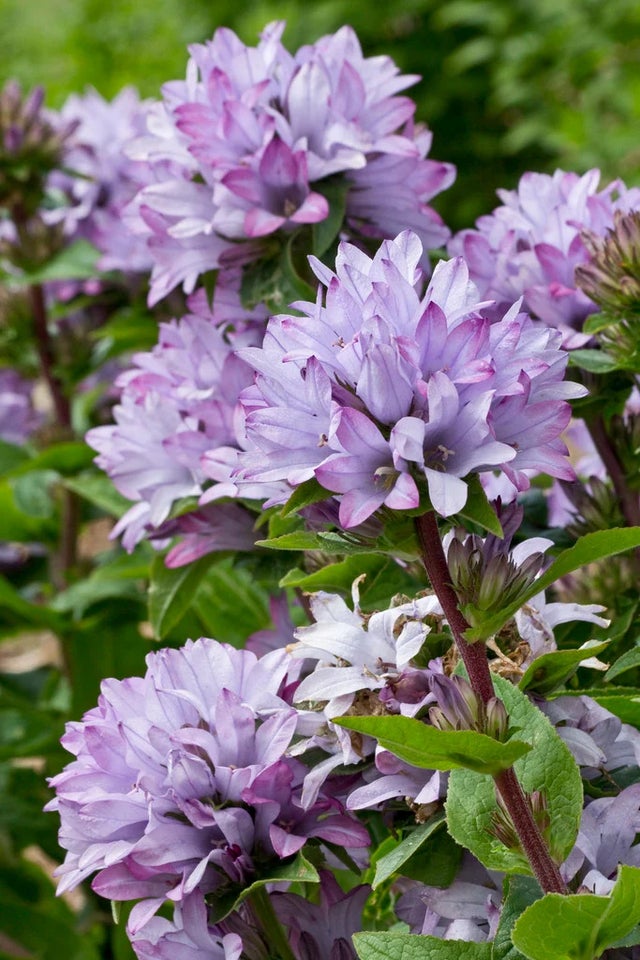
Campanula(bellflower)
Centaurea (knapweed)
Doronicum (leopard's bane)
Elaeagnus (oleaster)
Erica(heather)
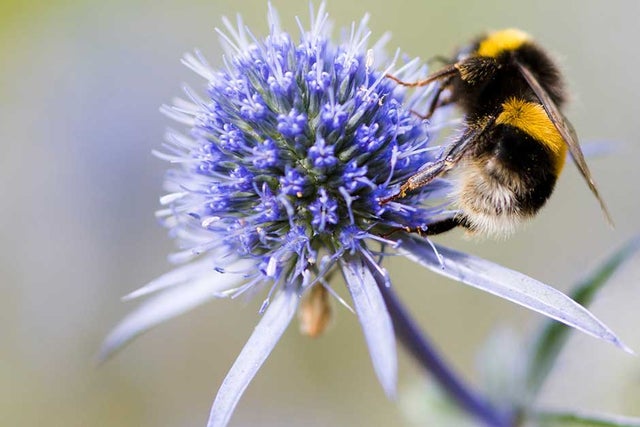
Eryngium(sea holly)
Euphorbia(spurge)
Gypsophila(baby's breath)
Hedera(ivy)
Helianthus (sunflower)
Lavandula(lavender)
Lavatera (tree mallow)
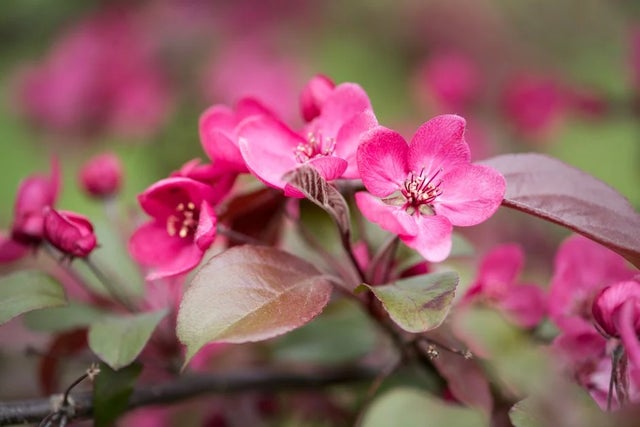
Malus (apples, pears, crab apples)
Origanum (oregano and marjoram)
Pieris(andromeda or lily-of-the-valley bush)
Prunus (stone fruits and ornamental cherries)
Salix (willow)
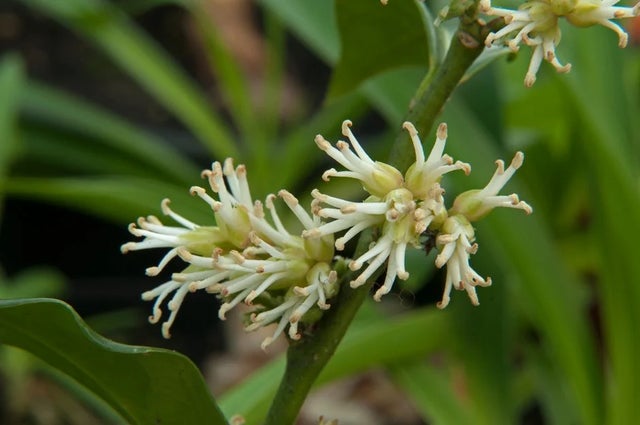
Sarcococca (winter box)
Plants that have been removed from the lists
The following plants have been removed from the lists owing to a lack of sufficient evidence at the time of the review.
Amberboa moschata (sweet sultan)
Amsonia tabernaemontana(eastern bluestar)
Arabis allionii
Catananche caerulea (cupid's dart)
Centratherum punctatum(Manaos beauty)
Cleome hassleriana (spider flower)
Cuphea ignea(cigar plant)
Delosperma floribundum (ice plant)
Enkianthus campanulatus(redvein enkianthus)
Glandularia × hybrida (florist's verbena)
Iberis saxatilis (rock candytuft)
Linaria maroccana (annual toadflax)
Nigella hispanica(love-in-a-mist)
Photinia davidiana (stranvaesia)
You can read the full paper in BioScience here.
What next?
The review of RHS Plants for Pollinators is the first step in the RHS Plants for Purpose project. Over the coming five years, RHS scientists are working towards developing similar lists of plants to help manage floods and withstand droughts, regulate temperature in gardens, promote , improve health and wellbeing, store carbon, and capture pollution.
This research aims to equip gardeners with the tools and information they need to choose plants that will best provide the environmental benefit(s) they want to achieve in their garden.
"Pollinator declines are a global concern. Gardeners can really help to mitigate these declines by planting a diverse range of garden plants"
Choose plants
“Warm, dry weather has been a boon for pollinators, but a lack of rain this year has meant that many summer-flowering favourites such as ox-eye daisy, phlox and Rudbeckia have reached only roughly half their average size, with a reduced number of blooms or else blooms that have rapidly ‘gone over’ in the heat,” says Andy.
“This has impacted on plants’ provision of nectar, meaning a broad spectrum of flowers that thrive in dry conditions has never been more important. Good drought-tolerant plants on the list include salvia, lavender, sea holly, euphorbia, marjoram and Helianthus.”
You can find drought-resistant pollinator planting combinations here.