RHS Grow app reveals salvia is the nation’s most grown pollinator-friendly plant group
New insights from the UK’s fastest-growing gardening app, RHS Grow, reveal that salvia is the most popular pollinator-friendly plant group recorded by UK gardeners, underlining its popularity, reliability and value for wildlife
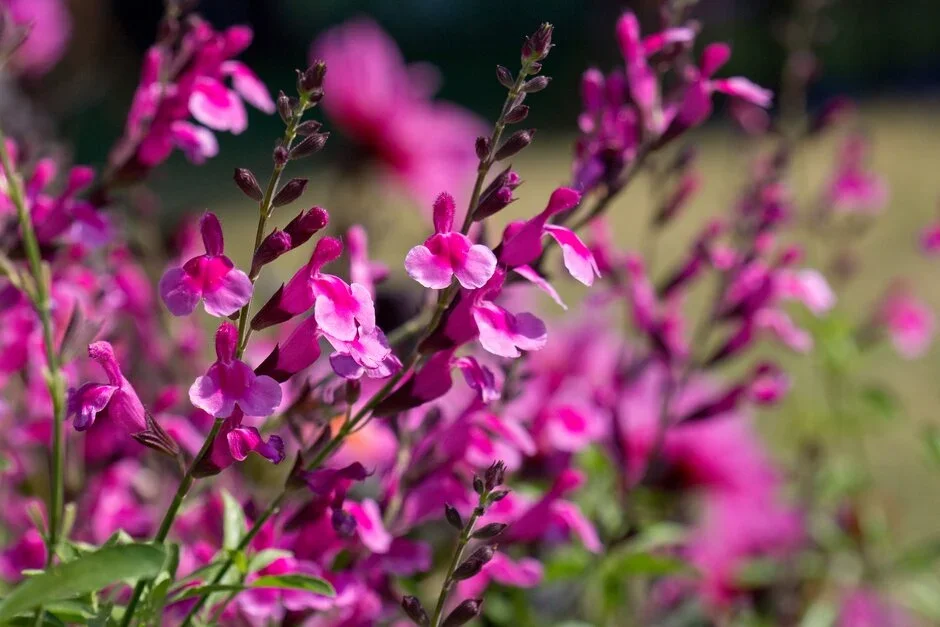
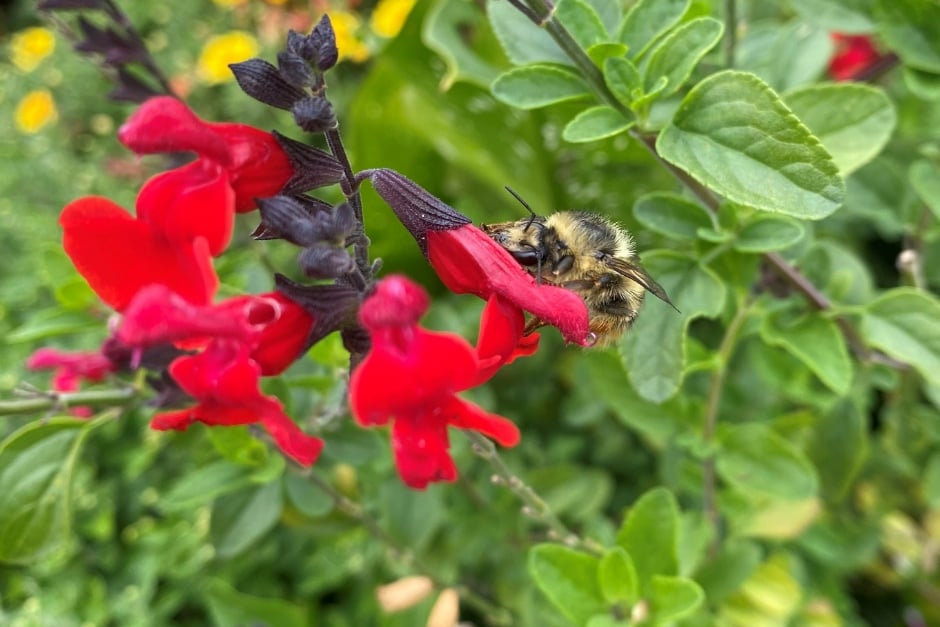
Data from gardeners across the UK show that 145,927 users have recorded growing salvias, with 28 different varieties logged. Known for their long flowering, vibrant colour and resilience in a range of conditions, salvias continue to be a mainstay of borders, containers and herb gardens. All salvias are recognised as RHS Plants for Pollinators, for their value in providing nectar and pollen for pollinating insects.
Among the most widely grown varieties, Salvia nemorosa ‘Caradonna’ is the clear favourite, recorded by 12,743 users. ‘Caradonna’ is frequently used in RHS Chelsea Show Gardens for its dramatic spikes of vibrant indigo flowers, and this year featured in Designer Rob Hardy’s Trussell’s Together Garden.
Close behind is Salvia ‘Hot Lips’, with 12,576 RHS Grow entries by gardeners. Nearly 10,000 people have recorded growing the culinary variety – Salvia officinalis (common sage) – with 9,937 adding it into their app garden records. Other popular choices include Salvia ‘Amistad’ with 6,096 records, and rosemary (Salvia rosmarinus) with 5,711.
Gardeners are also growing Salvia nemorosa ‘Ostfriesland’ (3,361), Salvia ‘Blue Spire’ (formerly Perovskia, 2,512) and the dramatic, almost black Salvia ‘Nachtvlinder’ (2,304).
Recording your garden in the RHS Grow app
These insights come directly from UK gardeners recording what they grow. More than 6.5 million plants have been added to RHS Grow since its launch, with nearly 350,000 people across the UK contributing their garden records so far.
The RHS Grow app, a gardening app for everyone, allows users to search for and identify plants and add them to their digital garden, creating a personalised record that evolves over time. Gardeners can begin by adding a few favourites or build a complete picture by logging all the plants in their garden in one go.
This growing dataset helps the RHS, the UK’s gardening charity, to understand planting trends nationwide, while supporting its charitable mission to enrich everyone’s life through plants and make the UK a greener, more beautiful place.
Why are salvias so widely grown?
Salvias are among the most versatile garden plants. Many thrive in sunny positions with well‑drained soil, are drought-tolerant once established, and flower over a long period from early summer into autumn. They are equally at home in mixed borders, dry gardens and containers, offering colour in shades from soft pastels to rich purples, reds and blues.
The genus is also exceptionally diverse, including hardy
Rebecca Wood, RHS Gardens Editor said: “In RHS Bridgewater’s Paradise Garden, the punchy purple flower spikes of Salvia nemorosa ‘Caradonna’ are a mecca for pollinating insects and Salvia × sylvestris ‘Blauhügel’ creates a violet-blue haze of bee-enticing blooms, alongside other plants from the sun-baked Mediterranean regions. The eastern end of the Paradise Garden captures the feeling and warmth of the Med. On sunny days, this area buzzes with life.”
A plant backed by RHS research and trials
The rise in salvia’s popularity reflects its strong performance in RHS trials. A recent three‑year trial at RHS Garden Wisley assessed around 70 hardy salvia cultivars, comparing their performance, resilience and flowering.Following the trial at RHS Wisley, 11 new cultivars were awarded the RHS Recommended: Award of Garden Merit, with a further 10 awards reconfirmed, highlighting the best-performing salvias for UK gardens. None lost their award. These awards recognise varieties that are reliable, easy to grow and consistently perform well.
Visitors to RHS Hyde Hall voted for the salvias they loved from a selection of 94 salvia species and cultivars on trial. The clear winner of the People’s Choice vote was Salvia farinacea ‘Strata’, a compact
“Many people were blown away by the abundance of bees and pollinators in the trial area. It was nice to see the public so enthusiastic about this, and even selecting their favourite salvia primarily on its ability to attract bees,” said RHS Trials Coordinator Mandy Tout.
“Gems such as MYSTIC SPIRES BLUE (‘Balsalmisp’) grew in popularity in the later part of the summer, owing to their excellent staying power.”
Essential for pollinators
Salvias are highlighted by RHS Science’s Plants for Pollinators research as plants that provide valuable nectar and pollen for bees, butterflies and other beneficial insects. Their tubular flowers are particularly well suited to feeding pollinators over an extended season. With pollinator populations under pressure, planting nectar‑rich species such as salvias is a simple and effective way for gardeners to support biodiversity.
A plant for the future garden
The data from the RHS Grow app reflects a wider shift towards resilient, climate‑adapted and wildlife‑friendly planting. Salvias meet all of these needs, combining drought tolerance, long flowering period and high ecological value. As more gardeners look to create spaces that are both beautiful and beneficial for nature, salvia’s spot as one of the nation’s most-grown plant types is likely to endure.
By recording salvias and other plants in the RHS Grow app, gardeners can track their own gardens while contributing to a wider understanding of what is being grown across the UK. Whether chosen for colour, ease of care or pollinator value, salvias remain one of the most rewarding and beneficial plants any gardener can grow.
Add your plants to RHS Grow
Do you grow salvias? Add them to your garden in RHS Grow.
Unlike other gardening apps, RHS Grow is developed by the UK’s gardening charity. Subscription income goes back into the charity and supports:
- Scientific research into plants, diseases and climate resilience
- Wildlife and pollinator conservation
- Education for schools and communities
- Advice to help gardeners adopt more sustainable practices
Backed by over 200 years of RHS horticultural expertise, the app combines practical tools with trusted, science‑led guidance, making it a unique resource for gardeners.