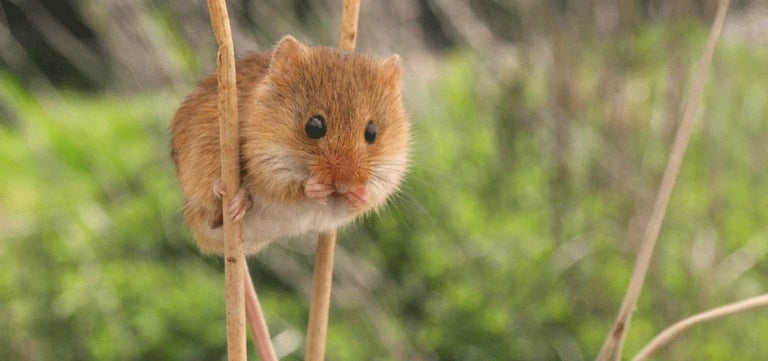
Rare harvest mice thriving at RHS Garden Hyde Hall
8 nests belonging to this UK Priority Species discovered in Hyde Hall borders for first time

First sighting at the Garden to be verified by the Bumblebee Conservation Trust extends their known distribution for the species
The rarest bumblebee in England has been found at RHS Garden Hyde Hall in Essex, expanding the Bumblebee Conservation Trust’s recorded range for the species.
The shrill carder bumblebee, Bombus sylvarum, was spotted on 14 September 2025 in the Hilltop Garden’s Herbaceous Border by BeeWalk and RHS volunteer Cheryl Sheff, with the bee’s identity later verified by the Bumblebee Conservation Trust.
RHS Hyde Hall is the only RHS garden to have a recent record of the bumblebee, which was recorded at RHS Wisley in 1920.
Found in only five small areas across the whole of the UK, the shrill carder bumblebee is a priority species of conservation concern in England, and has its own conservation strategy led by the Bumblebee Conservation Trust.
The botanical red carpet was ready and waiting for the ultra-rare bumblebee, which was found on Salvia ‘Royal Bumble’. The crimson salvia stars in a fiery display of reds, oranges and yellows in the ‘hot bay’ of the colour-themed Herbaceous Border .

The hot bay is crammed with late-flowering RHS Plants for Pollinators , including Dahlia ‘Bishop of Llandaff’, Achillea filipendulina ‘Gold Plate’, Rudbeckia laciniata ‘Herbstsonne’, Rudbeckia hirta ‘Indian Summer’, Helenium ‘Rubenzweg’, Cosmos sulphureus ‘Bright Lights’ and Tithonia rotundifolia ‘Torch’.
"The bee was found feeding on garden cultivars, showing the value of garden spaces for rare species"
The shrill carder bumblebee is a sun-loving species that is widespread across the warmer regions of continental Europe. The only known UK populations are in the Thames Estuary and Somerset Levels in England, and Pembrokeshire, the Gwent Levels and Kenfig–Port Talbot in Wales.
Named for its distinctive high-pitched buzz, the shrill carder bumblebee emerges relatively late in the season, with new colonies established by a single queen around late May and workers active from June to October.

RHS Senior Wildlife Specialist Helen Bostock says: “We knew there was potential for the shrill carder bumblebee to be found in the Garden, and had been on the lookout.
“It’s testament to the complementary approach to planting at RHS Hyde Hall. In early summer, the meadows around the wider estate were in full bloom and bee activity was focussed there. As the meadows went over in late summer, we saw bee numbers go right up in our surveys within the garden areas as the bees turned to feeding on the ornamental plants instead.
“It’s been generally a good season for bees, as the warm and dry spring meant less damage to bumblebee colony establishment than in 2024. The discovery of the shrill carder bumblebee was the icing on the cake at the end of an exciting bee survey season.”

Dr Andrew Salisbury , RHS Head of Plant Health, adds: “For a bumblebee that’s so uncommon and has been in decline, each new space it’s beginning to colonise is important.
“As we continue to focus on optimising our management of the Gardens for wildlife, we can hope this is a sign that the conservation plan is having an effect, and that the habitat at RHS Hyde Hall has enabled that within the bumblebee’s expandable range.”
5 ways we’re gardening for bees at RHS Hyde Hall
Helen Dickinson, Senior Surveys Officer at the Bumblebee Conservation Trust (BBCT), says: “This is a significant range expansion for our records of the species’ south-eastern population and an incredibly encouraging result – a testament to the habitat work at the Garden and the commitment of the RHS to BeeWalk, the BBCT’s national bumblebee monitoring scheme.
“Having volunteer BeeWalkers like Cheryl on the ground collecting this important data on bumblebee numbers allows the Trust to monitor population trends across Britain. That in turn provides the information we need to further high-quality conservation work for our rarest bumblebees, alongside more widespread species.”

The shrill carder is one of the most threatened bumblebee species in England and Wales, following a major decline in its UK range since 1950.
The Bumblebee Conservation Trust’s conservation strategy for the species recommends providing flower-rich habitat, with a range of flowering times to ensure pollen and forage is available throughout the bee’s flight season (April to October).
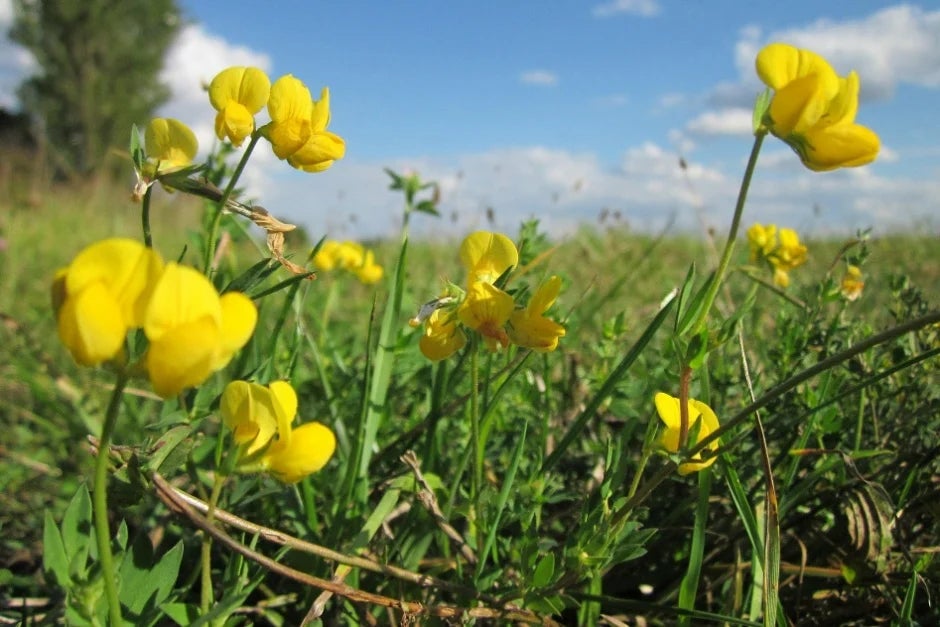
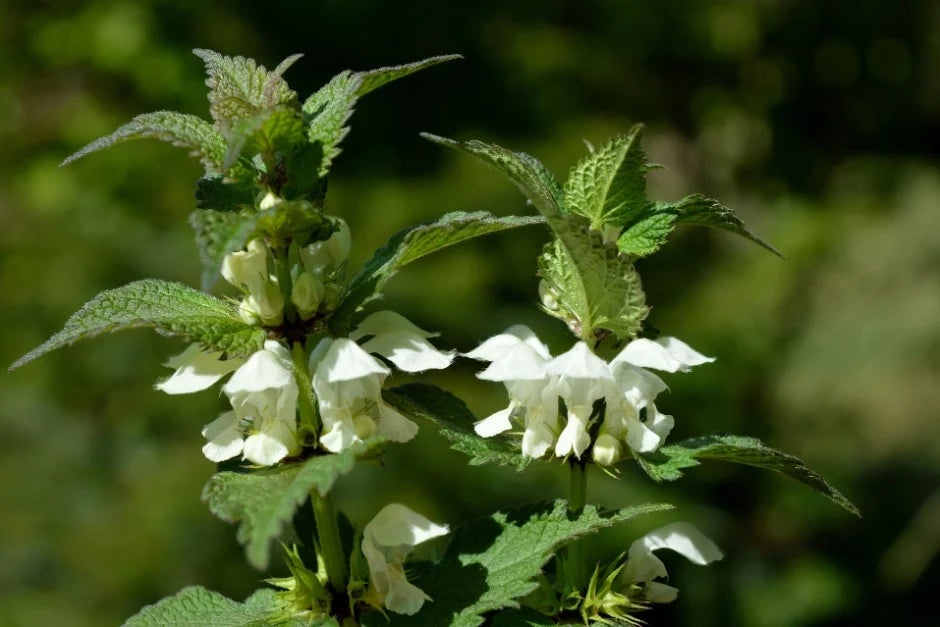
It suggests that shrill carder bumblebees can take advantage of a wide range of food plants, but that some of the most important plants are members of the mint family (which includes salvias and Agastache), pea family (includes red clover and bird’s foot trefoil), daisy family (includes asters and single-flowered dahlias) and broomrape family (includes eyebright and yellow rattle). Among wild plants, white dead-nettle , red bartsia , meadow vetchling and bird’s foot trefoil seem to be particular favourites, according to the BBCT.
Professor Ted Benton, an entomologist and field naturalist local to RHS Hyde Hall, adds: “In North Essex, black horehound (Ballota nigra) is perhaps the shrill carder bumblebee’s top forage plant in the later part of the season, along with red clover (Trifolium pratense) earlier on.”

The strategy also recommends providing undisturbed nesting habitat. While data is scarce on exactly what makes the perfect nesting site for a shrill carder bumblebee, it usually involves thick vegetation: “nests appear to be associated with rough long grass with a [leaf] litter layer, and have been found on the surface or just below ground. There is some evidence that there is a preference for a sunny exposure and a south or southeast-facing slope.”
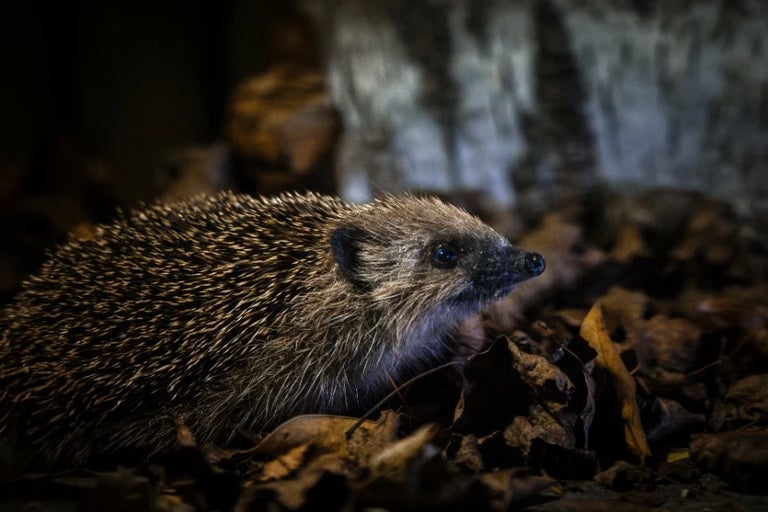
Leaving a patch of grass to grow long, and allowing fallen leaves to remain where they’re not doing any harm, can also benefit a range of other wildlife, including invertebrates, birds and hedgehogs .
Key ID features of the shrill carder bee

About the author – Olivia Drake
With a background in biology, Olivia is passionate about sustainable horticulture, biodiversity and the role gardening can play in conservation. She is trained as a botanical horticulturist and previously worked in public gardens around the UK and abroad.