


Five plants Sandringham’s Head Gardener couldn’t do without
Head Gardener for Sandringham, Jack Lindfield, shares his top plants and approach to gardening

Curator of The World Garden at Lullingstone Castle, Tom Hart Dyke shares his top plants and approach to gardening
I am a modern-day plant explorer who was kidnapped in Colombia in 2000 on a plant hunting mission for orchids. To help me endure my nine months in captivity, I began sketching out a map of ideas. On my release, I returned home to Lullingstone Castle in Kent and started working within the two-acre Victorian walled garden to transform it into the first World Garden of Plants.
The World Garden opened in 2005 and showcases some 7,000 plant species, varieties, cultivars, and hybrids laid out interactively as a mini map of the world. Countries and continents are presented in their actual miniature shapes with specimens phytogeographically planted. The grounds consist of three acres of formal gardens, 20 acres of arboretum including a woodland walk, river and lake. It is mainly with variable alluvial tendencies, and 100 tonnes of that was introduced for the Asian section of the World Garden for Rhododendrons and Pieris.
The garden has a continental style climate with extremities of heat and cold. The walled area can become a veritable freezer in winter and an oven in the summer, with the walls magnifying the effects of cold and hot air in the bottom of the frost prone, heat trapping Darent Valley system.

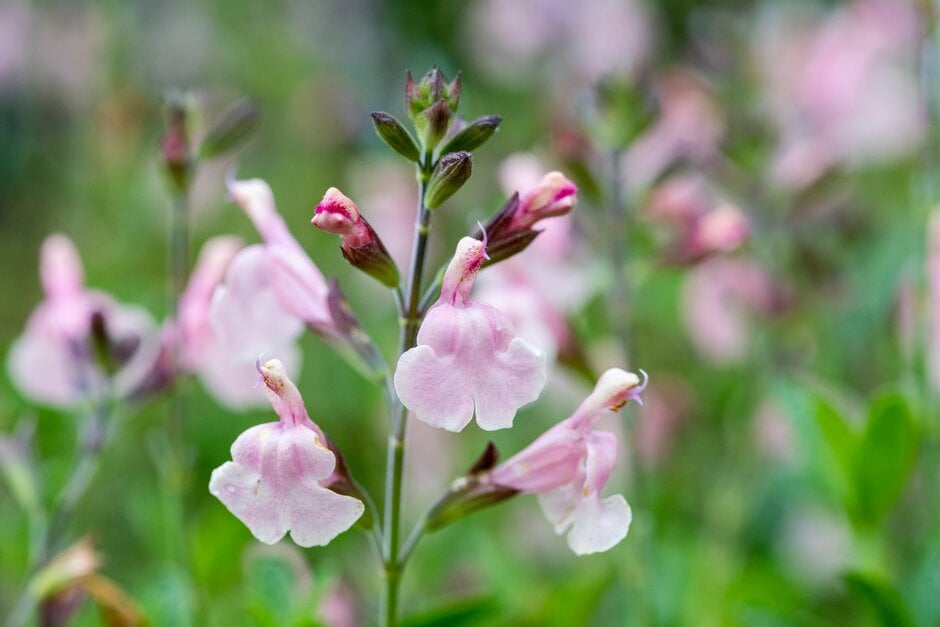
My planting philosophy for The World Garden is rooted in honouring each plant’s place of origin while embracing adventurous choices. I enjoy showcasing a diverse mix of species from every continent, ranging from bee loving jasmine and salvia to showstopping like agave . Many of the plants reflect the journeys of my plant hunting and are chosen to create a captivating experience for visitors.
If I started a new garden from scratch, I would immediately go out and source the following plants which I just couldn’t do without.

Dictamnus albus‘Burning Bush’ is a herbaceous with mauve flowers and brings a wonderful oily citrus scent in summer to the garden. This plant needs heat and full sun to thrive and works well in our walled area in well drained soil.

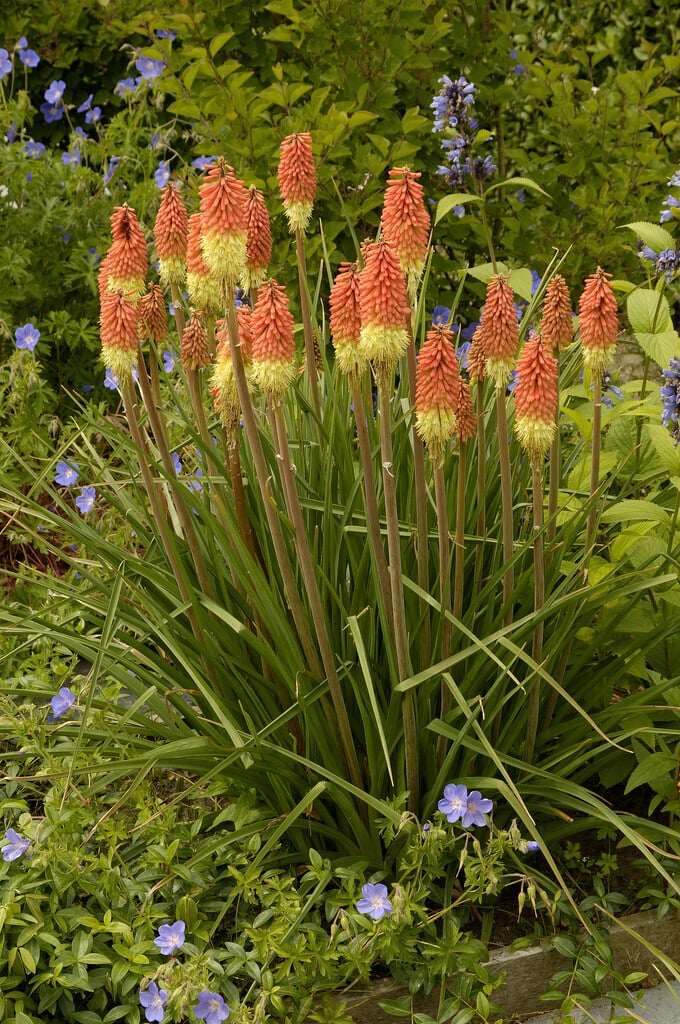
Kniphofia linearifolia from South Africa is a sleek red hot poker that adds colour in late summer and early autumn with its red orange flower spikes. It requires well drained soil and prefers a sunny position. However, this plant does needs space for its delightfully straggly lineate foliage.

Alstroemeria ‘Ligtu Hybrids’ , commonly called ‘Peruvian Lily’ are perfect for creating an eye-catching display of summer colour in a variety of shades. It’s a great plant for pollinators and as a cut flower in The World Garden, we have an abundance of their orangey pink eye-catching blooms. A hot spot in the garden on any soil with good drainage and they’ll thrive. Please note that ‘Ligtu Hybrids’ only flower once in May or June.

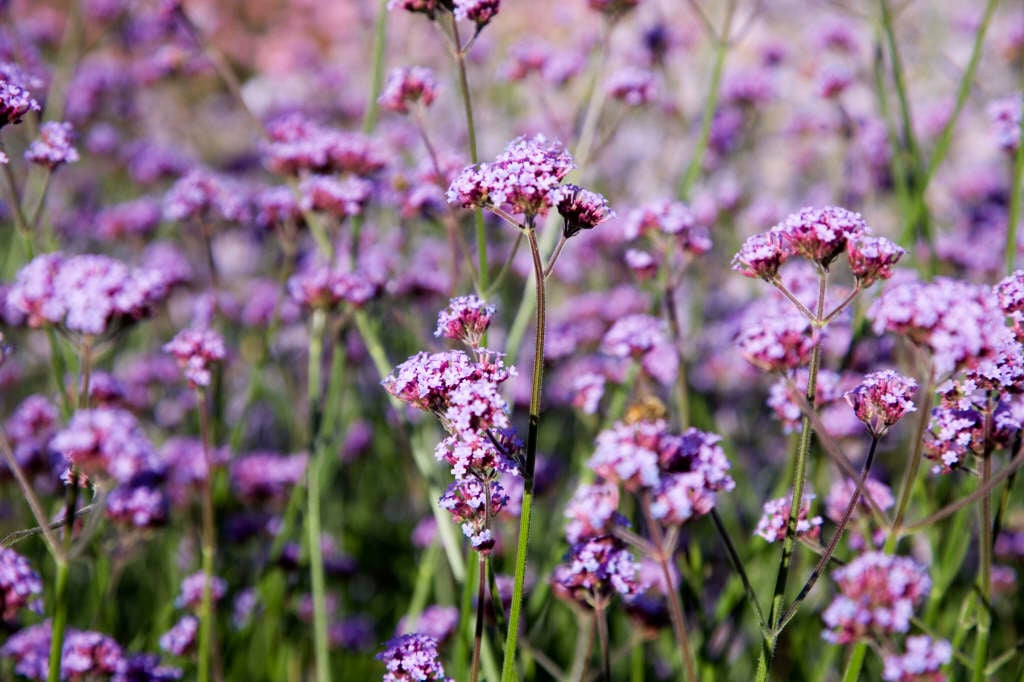
Verbena bonariensis is a wonderful structural herbaceous short lived perennial and is great for the birds and bees. It has a long flowering period and requires no feeding, ideally planted in full sun in free draining soil. Although a tall species, it can be planted at the front of your border because of its see through structure (thin stems and small leaves).

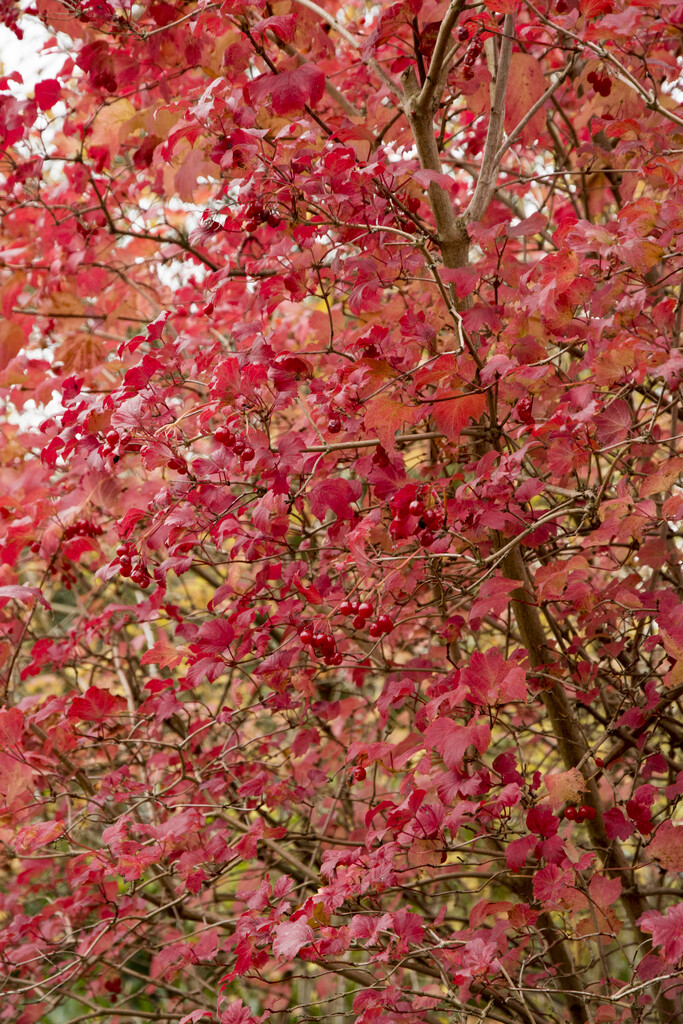
Viburnum opulus ‘Guelder Rose’ is to the UK and delivers in every season with its creamy white flowers, edible red berries and rich autumn leaf colour. This shrub is blessed with excellent winter structure and grows well in any soil, making it a great addition to any garden.
If I had more space, I would include the following in The World Garden:
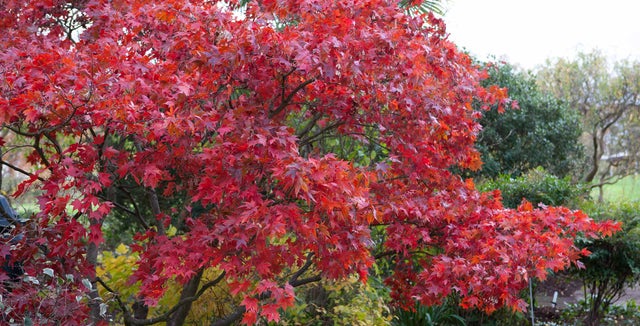
1. Acer palmatum (Japanese Maple) to expand our collection into the woodland walk and along the riparian corridor.
2. Alstroemeria because I would love to add more varieties to give additional colour to the South American section.
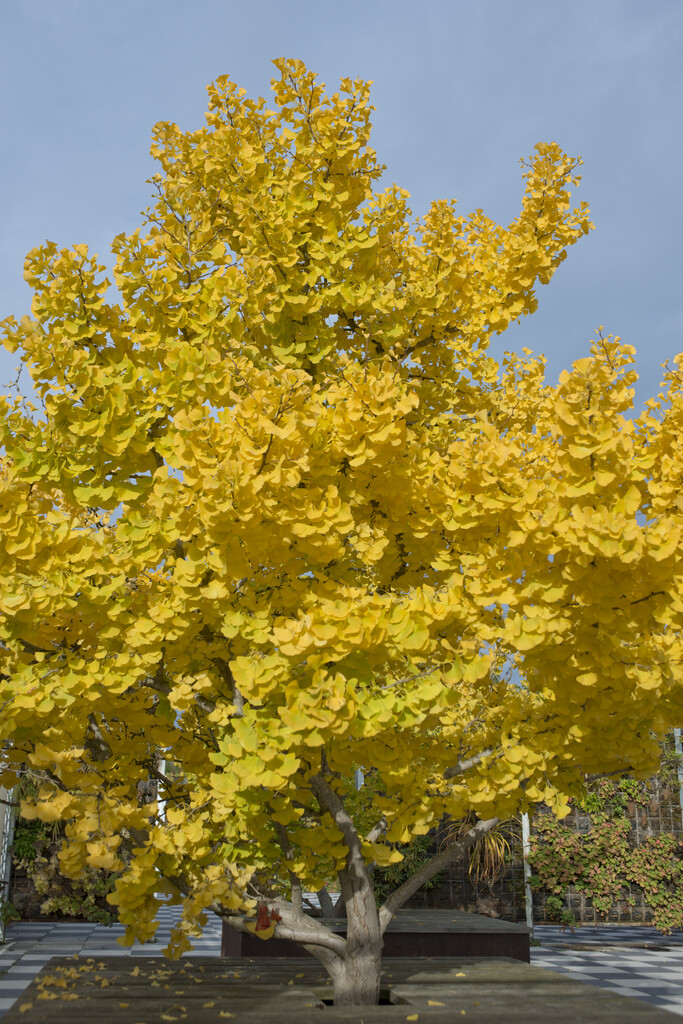
3. Ginkgo Biloba as I would love to showcase different cultivars to highlight the wonderful array of foliage and include some potential Bonsai varieties.
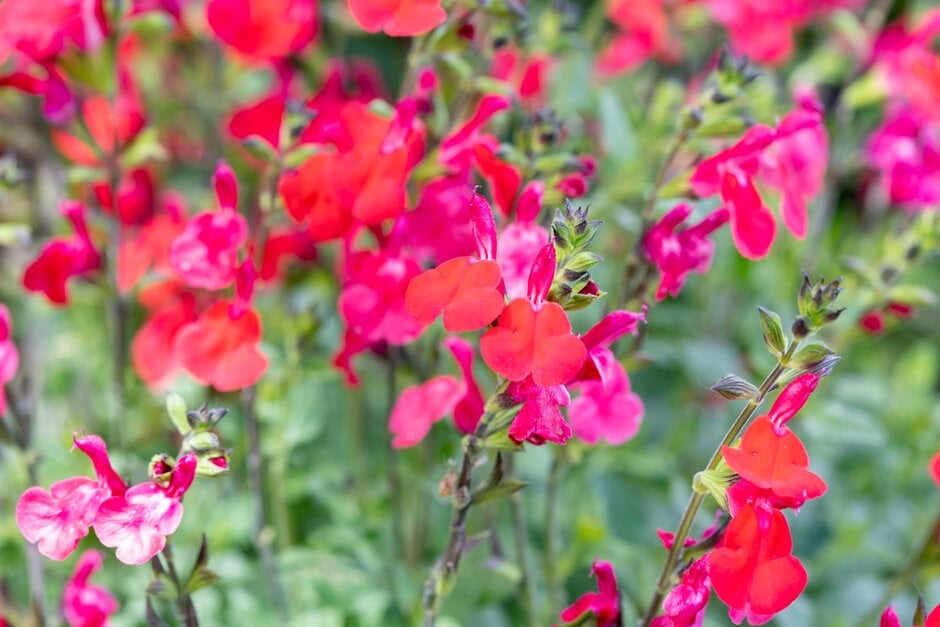
4. Penstemon en masse in the North American beds such a ‘Firebird’ , ‘Snowstorm’ and ‘Sour Grapes’ .
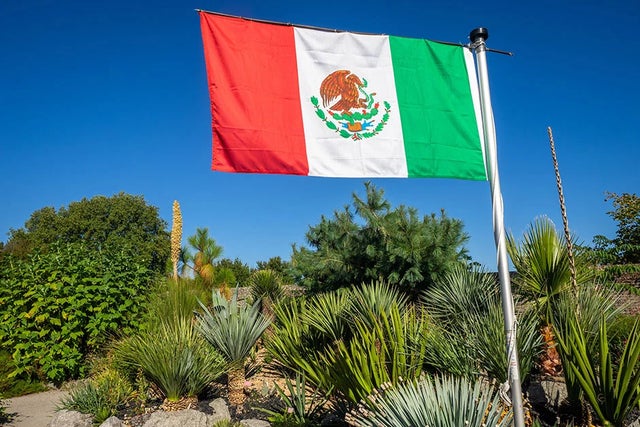
5. Adding more Opuntia ‘Prickly Pear’ in Mexico would create a more impactful botanically xerophytic landscape.
Plan a visit to Lullingstone Castle & The World Garden