

Must-visit gardens of the South West
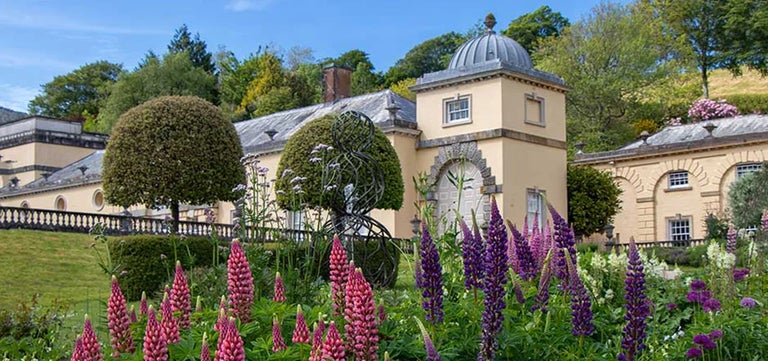
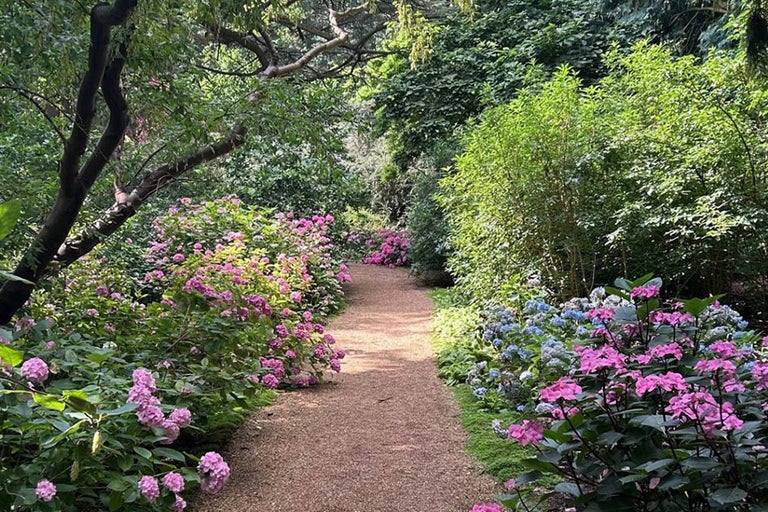
Our partner gardens across the South West offer everything from peaceful trails and historical statues, to family-friendly play areas

Our RHS Partner Gardens across the East of England offer many beautiful and historical sights, wildflower meadows, calm lakes and much more
From historical houses to seasonal flower displays, each of our East of England Gardens offer delightful sights and activities for the whole family. Plan to make a visit for your next day out and enjoy all they have to offer.

When designing the gardens at Anglesey Abbey, Lord Fairhaven wanted visitors to enjoy something beautiful in every season. That vision still shapes the estate today. After buying Anglesey Abbey at auction in the 1920s, he set about transforming the grounds into a series of striking seasonal displays, many of which survive.
As you explore, notice the long, straight avenues lined with trees, often ending in a statue to draw the eye. Circles and symmetry are key features of the Formal Garden and the Dahlia Garden, both at their best in summer. The estate is also known for its remarkable collection of garden statues, considered among the finest in the country.
Seasonal highlights include the sensory Winter Garden, the Spring Garden, the Rose Garden, and the distinctive Skylight Garden, as well as the Jubilee Avenue, Pilgrims’ Lawn and Riverside Walk, which glow with autumn colour.
Special features:

Set in the rolling Chiltern Hills in Hertfordshire, Ashridge House is surrounded by gardens that feel both grand and welcoming. Originally landscaped in the early 19th century by Humphry Repton, the grounds mix sweeping lawns and big-sky views with more intimate garden spaces to explore at your own pace.
Garden highlights include the elegant Italian Garden with its ornamental koi carp pond, the peaceful Monks’ Garden and a colourful Rose Garden that comes into its own in summer. There’s also a Victorian fernery, designed by Matthew Digby Wyatt, and an arboretum packed with ancient and veteran trees. Seasonal colour is a real strength in this garden, from drifts of spring and rhododendrons to the rich golds and reds of autumn foliage. It’s a vibrant, varied setting that makes Ashridge a standout garden destination in the East of England.
Special features:

Beyond the Venetian gates at Holkham Hall lies the historic Walled Garden, a peaceful six-acre space with roots in the late 18th century. Originally designed by Samuel Wyatt, the garden remains a showcase of traditional craftsmanship and careful restoration. Encounter beautifully restored Georgian and Victorian glasshouses and vineries, a structured ornamental garden, a flourishing vineyard and a productive kitchen garden. The harvest supports both the Coke family and diners at The Victoria restaurant and Courtyard Cafe.
Elsewhere, an exotic garden opens onto a broad lawn, while the cutting garden provides a vibrant display of seasonal flowers. The layout is arranged into individual squares and narrow slips, each guided by its own planting theme.
Today, the focus of the garden is on sustainable practices, with natural pest management, soil-enriching cover crops and planting all helping to boost and protect the garden’s long-term health.
Special features:

Set around a picturesque medieval moated manor, the gardens at Mannington Hall offer an impressive mix of planting styles and habitats. Roses are a defining feature, particularly in the celebrated Heritage Rose Garden, established in the 1980s. Here, more than 1,000 varieties are displayed in chronological order, from early medieval cultivars to modern introductions, creating a living timeline of rose history. Elsewhere, roses spill from borders, climb into trees and flourish in containers across the grounds.
Beyond the formal areas lies a species-rich wildflower meadow, home to over 150 types of flora, complete with boardwalks and bird hides. The atmospheric ruins of Mannington Church, with Saxon origins and later medieval additions, add another layer of intrigue. A classical temple overlooks the South Lawn, near a thoughtfully designed Sensory Garden. With lakes, mature trees and decades of careful stewardship, the gardens support abundant wildlife, from orchids and owls to bats, moths and otters.
Special features:

At Natural Surroundings, the garden area is arranged into 18 demonstration spaces, each showing how wildlife-friendly planting can work in an everyday setting. These range from the Poppy Garden, designed to showcase some of the 250 species found worldwide,to the Herb Garden which was planted back in 1989 and demonstrates the different herbs that can be used for medicinal, culinary and craft purposes, yet all are designed to reflect what is possible in many private spaces, making the ideas easy to adapt at home.
The purpose of this garden is to highlight the value of wildlife-conscious gardening and to celebrate the beauty of plants. A wide mix of formal and informal planting styles is used, along with pots, troughs, containers and greenhouses to create beautifully varied displays. Alongside a selection of British wildflowers, you’ll also find species from across Europe, eastern Asia and North America; plants chosen not only for their interest and colour, but also for their ability to support insects, birds and other wildlife.
Special features:

At Sandringham, while five generations of the royal family have left their own mark, the overall layout of the gardens still follows the plan set out in 1863 by Edward VII and Queen Alexandra. The result is a space that feels both historic and deeply personal.
The North End Garden, created in 1947 by Geoffrey Jellicoe for George VI, has a relaxed, cottage-garden character and is at its most colourful in high summer, alive with bees and butterflies. The more recent Topiary Garden, added in 2023, offers a calm, geometric space designed not only for quiet reflection but also to boost biodiversity with resilient planting designed to thrive in more variable weather.
Elsewhere, Their Majesties’ Garden features spring bulbs and a collection of rhododendrons, camellias and magnolias brought to the estate from Windsor. Across the rest of the grounds, peaceful lakes and mature trees ensure there is something to enjoy in every season.
Special features:

Opening it's doors in 1966, Springfields Gardens was initially a seasonal show garden for the local bulb industry but soon became a popular public attraction. Today, the 15-acre site is open year-round, with imaginative landscaped gardens, woodland paths, water features and open lawns filled with changing seasonal displays.
Beds and borders are planted with a wide mix of bulbs, from familiar favourites to lesser-known varieties. Daffodils , tulips , hyacinths , alliums and dahlias create colourful highlights as the seasons progress. A standout feature is the peaceful Japanese 'Momotaro Garden', designed as a quiet space for reflection and is part of the 'Silent Space' scheme.
In 2026, the Springfields Horticultural Society celebrates its 60th anniversary with events throughout the year. Among the highlights is the much-loved Annual Daffodil and Spring Flower Show being held on 11th of April, a cheerful celebration of one of spring’s most iconic blooms.
Special features:

Set in the rolling countryside of Suffolk, Wyken Hall is surrounded by a thoughtfully designed garden that has evolved over the past 50 years. The four-acre layout wraps around the 16th-century manor, linking the house to the wider landscape through a series of intimate garden rooms, each with its own seasonal highlight.
Spring begins with drifts of daffodils, fritillaries and wildflowers, followed in May by blossom across the estate’s extensive collection of apple trees. In early summer, the traditional rose garden comes into its own, before the vibrant “red hot border” takes over with kniphofia , hemerocallis and dahlias through July and August. Elsewhere, visitors can explore the herb garden, productive kitchen plots, a maze and a growing selection of unusual shrubs.
The estate also includes an award-winning vineyard restaurant and country store, both set within a beautifully converted medieval barn.
Special features:
All these gardens are open for RHS Members to visit whenever they are open in 2026. (For Joint Members, only the main Member with the * on their Membership card is entitled to free entry).
The East of England is also home to 13 other RHS Partner Gardens which are open at selected times, including the iconic Beth Chatto's Plants and Gardens, the original Foggy Bottom of The Bressingham Gardens, the coastal garden of East Ruston Old Vicarage and Houghton Hall and Gardens famed for its sculptures. All these independent gardens are perfect to visit whether you live in the region or are passing through on holiday.
We always recommend members check the garden's own website for any unexpected closures before their trip.