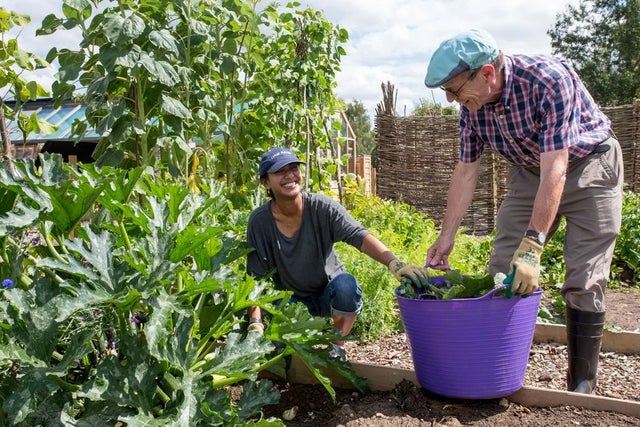
The Princess of Wales visits Colchester Wellbeing Garden
The Princess of Wales visits cancer patients and tours RHS Wellbeing Garden at Colchester Hospital to see nature’s role in healing first hand

Mixed beds, edible planters and new seating areas have transformed St James’s University Hospital, Leeds into a green sanctuary
White Rose Wellbeing Garden at a glance:
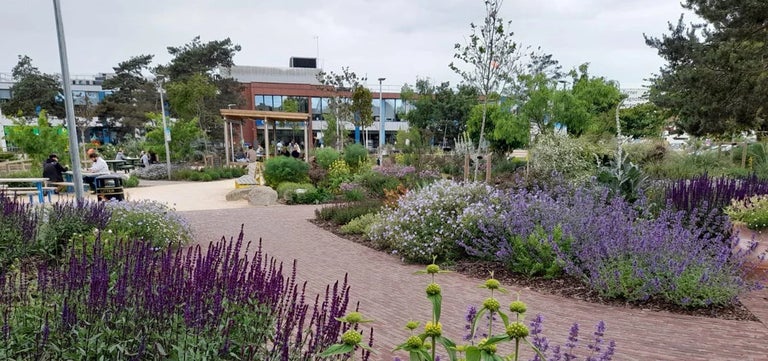
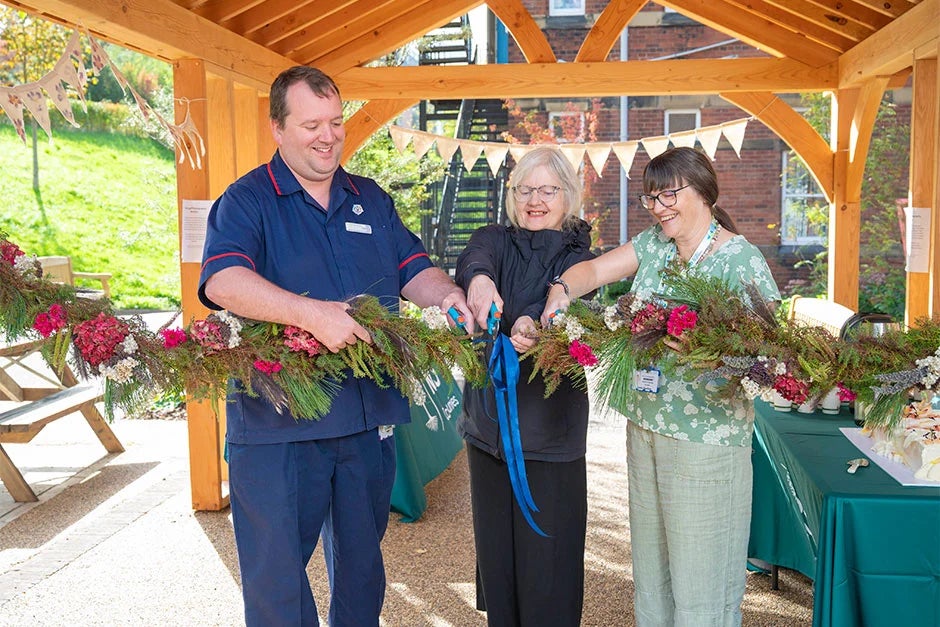
In the grounds of St James’s University Hospital in Leeds sits the White Rose Wellbeing Garden. The RHS has worked in collaboration with Leeds Teaching Hospitals NHS Trust and award-winning garden designer Adam Frost to create a garden that provides a place to relax, reflect and socialise. The restorative space officially opened on 8 October 2025 and is already a popular destination among NHS staff, patients and visitors.
St James’s is internationally famous as one of Europe’s largest teaching hospitals and is home to the Bexley Wing, a state-of-the-art cancer centre that opened in 2008.

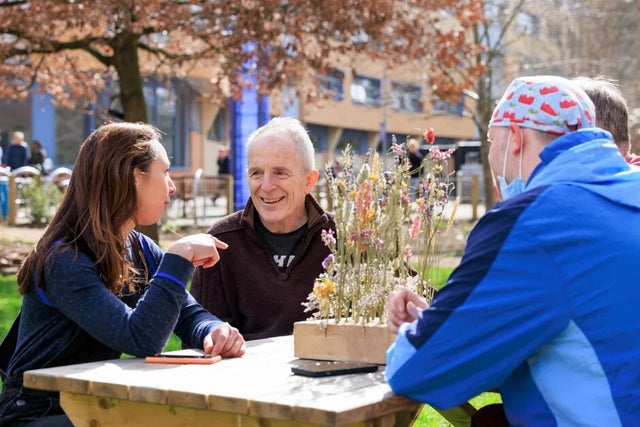
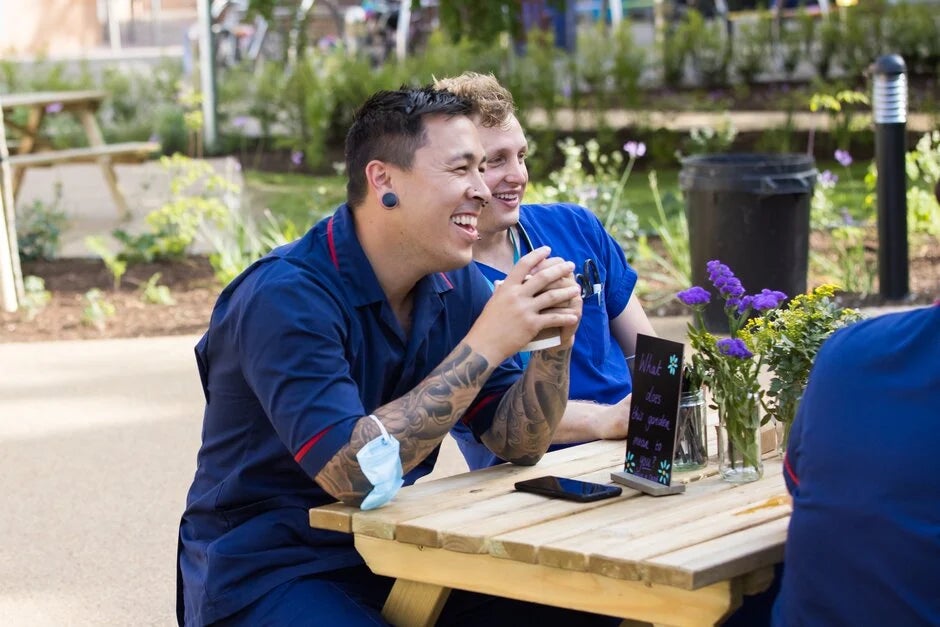
“For me, this garden represents peace. I come here when I need to switch off and relax before going back to work in a very busy environment. The other day I had a sniff of the mint growing in one of the planters and it just felt so refreshing,” said Amna Amjad, team leader in the Recruitment Department at St James’s University Hospital. She is just one of the many employees who regularly visit the wellbeing garden for lunch, a walk or a chat.
Set outside the Trust Headquarters, the building of the garden started in March 2025 and was completed in July with planting sessions that involved dozens of local volunteers and NHS staff. Although the garden officially opened on 8 October 2025, hospital staff and visitors have enjoyed it throughout the summer.
"When I feel overwhelmed, I come here to sit down. There’s nothing else nearly as peaceful."
The site includes a communal area with picnic tables, a ‘reflective’ corner where single seats, trees and ornamental shrubs create a secluded environment and a ‘productive’ space equipped with edible planters and an all-weather shelter complete with green roof.
A south-facing bed has also been planted with herbs and plants such as yarrow and fennel, some of which were repurposed from the RHS Flower Show Wentworth Woodhouse 2025.
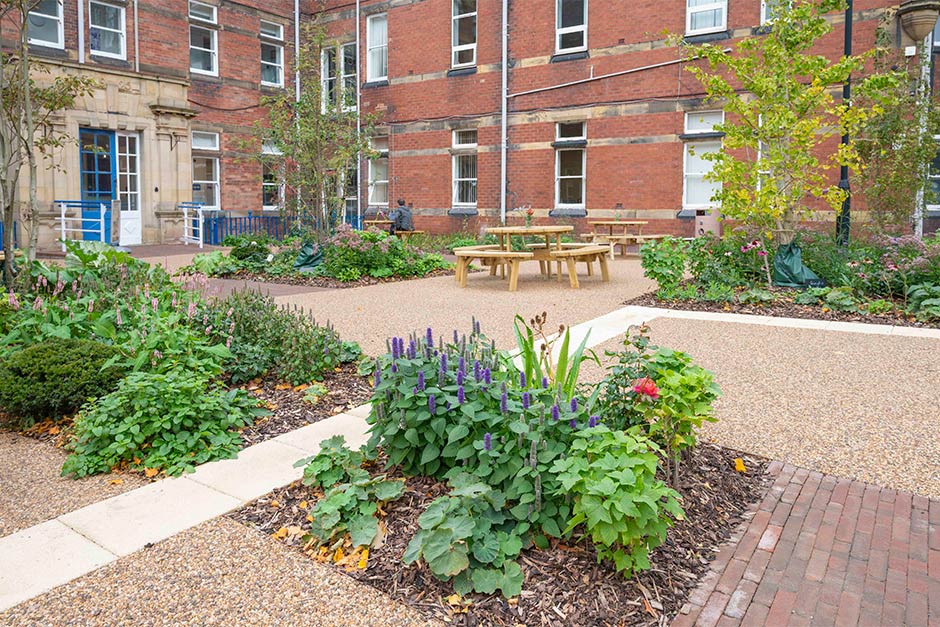
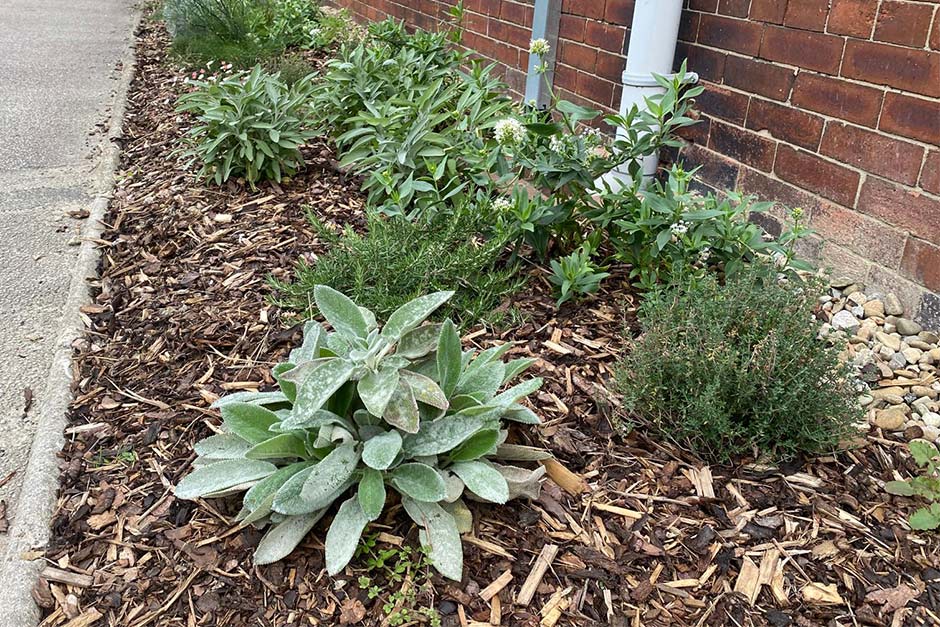
The White Rose Wellbeing Garden features accessible paths and climate-resilient planting, chosen to thrive in the site’s south-east facing position as well as under extreme weather conditions, with species including Acanthus, Alchemilla and hellebores.
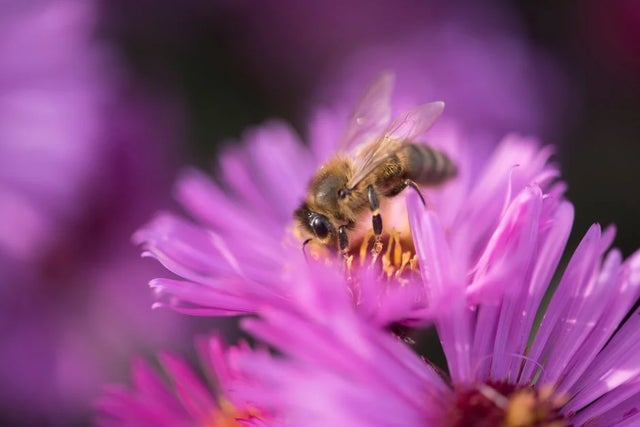
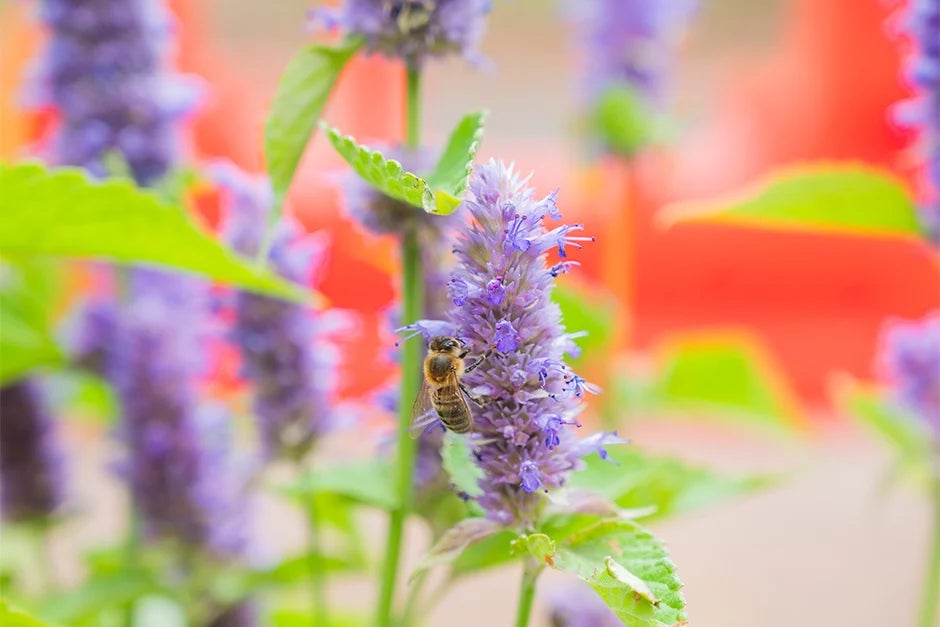
To support , the pre-existing mown lawn has been transformed into a complex garden habitat with over 200 square metres of mixed beds. New trees and specimen shrubs have been planted, comprising species selected for maximum benefit to wildlife. Among them, crab apple, hemp agrimony and hyssop attract large numbers of pollinators.
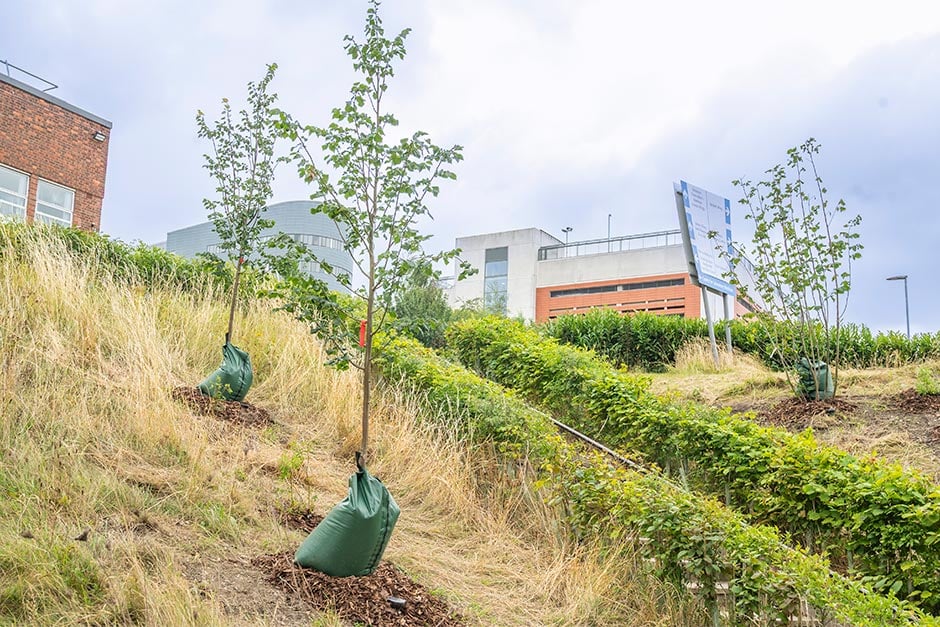
A mix of trees, such as hazel, spindle and field maples, and non-native species, like ginkgo and sea buckthorn, provide year-round structure and interest. A hawthorn – a tree often associated with resilience – has been erected with a special plaque in memory of those who have been lost to suicide.
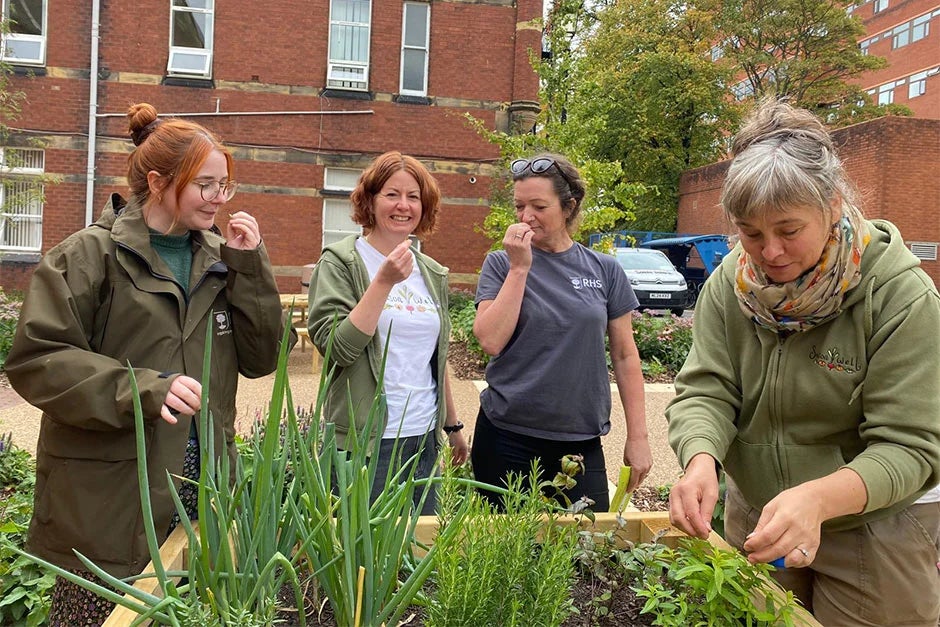
Many edibles, including gooseberries, rhubarb, mint, lime balm, rosemary and sage, already populate the garden and dye plants will soon be added to planters and beds. Valerian, evening primrose, lemon verbena, chamomile and other medicinal plants pay homage to the adjacent Thackray Museum of Medicine, the UK’s largest independent medical museum.
"The Bexley Wing, where we work, only has a concrete terrace and very few windows. It’s great to have a garden we can enjoy."

The new Leeds wellbeing garden was designed with mental and physical wellbeing in mind. NHS staff were involved in the design through a consultation process that started in April 2023 to ensure the garden addressed the needs of both staff and patients. RHS Ambassador Adam Frost, who has won seven Gold medals at the RHS Chelsea Flower Show, created the concept design and the planting scheme. The design was further developed by RHS Senior Landscape Architect Magdalena Firganek-Fulcher.
"Being able to support NHS staff and patients in this way means the world to me. I hope the garden provides people with a chance to connect with nature and that it attracts new visitors like bees and butterflies, too."
Monthly workshops run by Alex Bergin and Alison Varley from the RHS Community Outreach team take place in the wellbeing garden and include bulb planting, making bee homes and botanical-inspired watercolour painting. These sessions aim to engage and upskill the hospital’s staff and are also delivered by partners such as Season Well. Tracey Crowther, Lead Nurse of Research, is a regular attendee. “This past year has been challenging, but having the garden project to focus on and the workshops to attend has made things much more manageable and uplifting,” she said.
During the Covid-19 pandemic, Season Well led a successful pilot project to support St James’s employees’ mental health, alongside Olivia Kenyon, NHS Speech and Language Therapist. Becky Mears and Viv Hargreaves from the social enterprise spearheaded it by creating six raised beds. The seed of their ideas has now expanded into the White Rose Wellbeing Garden.
RHS Director General Clare Matterson said: “Gardens aren’t just about plants, they are about people. They help us connect, take a breath and feel better. Even the smallest patch of green can lift spirits and spark conversation and it’s wonderful to see this happening in a place where it’s most needed. This garden is a really special addition to the hospital grounds.”

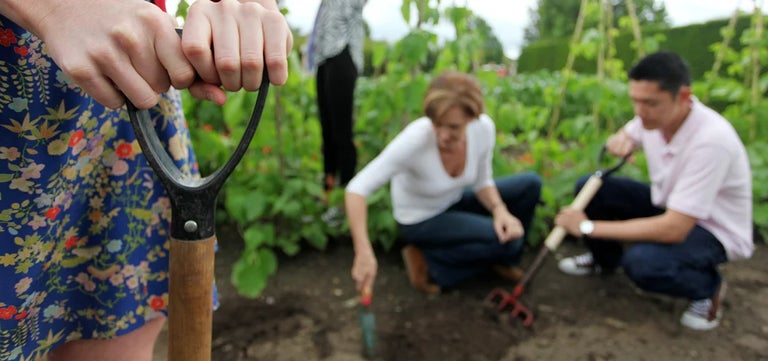
The local community will also benefit from this space. In September, a gardening club was set up by the RHS Community Outreach team to ensure the ongoing sustainability of the wellbeing garden. NHS staff, patients and local residents take part in activities such as weeding, tidying or making plant labels.
They will work alongside the hospital Estates team to care for the garden as it grows. Local enterprises are also involved, including The PIECES Project, Sunflower ESOL, Feel Good Factor, Gipton Growers, Mafwa Theatre and Season Well.
One of the volunteers, Ian Warrington, said: “Working in the garden for 45 minutes every week gives me something different to focus on. With soil under my nails, I can look at it and say, I did that. This place is like an oasis for me.”
The total cost of the project was £480,000, with £360,000 allocated to building and £120,000 to workshops and gardening sessions. The White Rose Wellbeing Garden and its accompanying programme of activities are being funded separately from the allocations to NHS healthcare delivery.
“This wouldn’t have been possible without the generosity of those who donated and funded this project. Our heartfelt thanks goes to the Leeds Hospitals Charity, Oak Foundation, The Julia Rausing Trust, Peter Sowerby Foundation, The Marks Family Charitable Trust and Lord Barnby’s Foundation,” said Sarah Galvin, Head of National Community Programmes at the RHS, who also contributed to the project.
Support NHS wellbeing gardens
Help create NHS wellbeing gardens where care goes beyond the hospital walls.Your gift can bring nature into NHS hospitals across the UK, creating safe and welcoming green spaces for patients, staff and local communities. From quiet places to pause and reflect, to shared gardening spaces that bring people together, NHS wellbeing gardens support wellbeing in all its forms. Donate today to help grow greener, healthier hospital environments where people and nature can thrive.
Donate now