Rosa Bridge of Sighs ('Harglowing'PBR) (Cl)
rose [Bridge of Sighs]
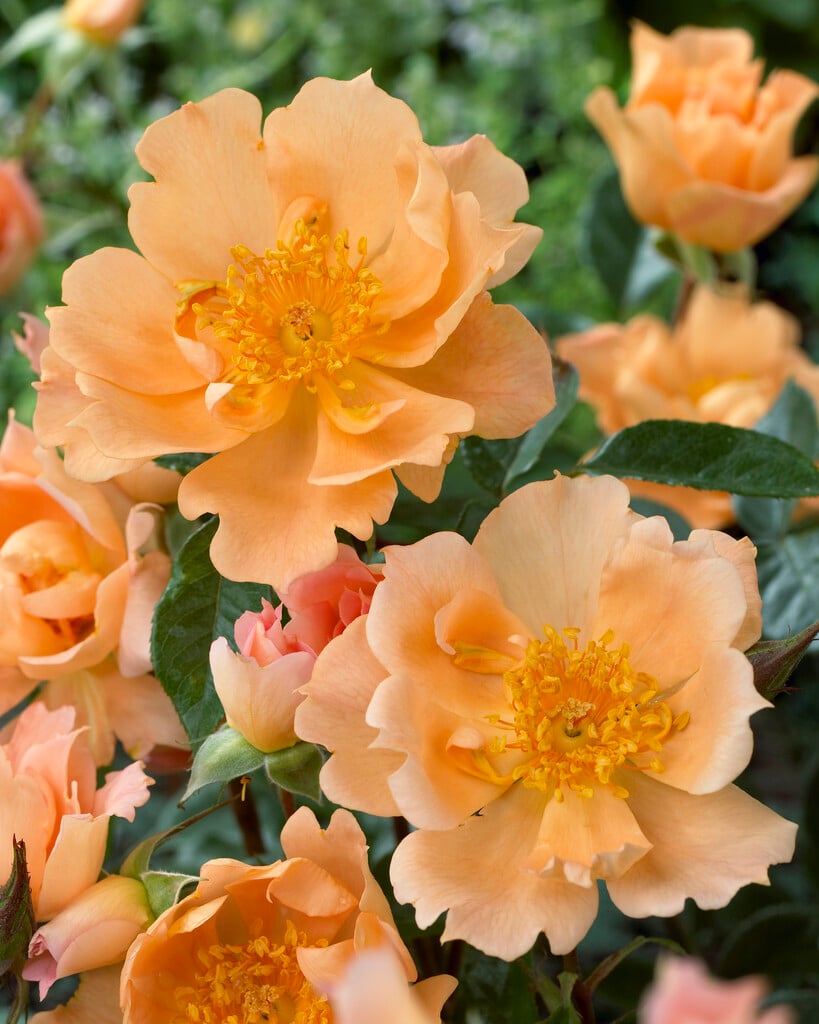
A vigorous climbing rose with mature foliage a rich glossy green and young foliage a beautiful copper colour, contrasting perfectly with the clusters of semi-double peachy-apricot blooms with a heady perfume, flowering repeatedly throughout summer and into autumn
Size
Ultimate height
2.5–4 metresTime to ultimate height
2–5 yearsUltimate spread
2.5–4 metresGrowing conditions
Moisture
Moist but well–drainedpH
Acid, Alkaline, NeutralColour & scent
| Stem | Flower | Foliage | Fruit | |
| Spring | Bronze Green | |||
|---|---|---|---|---|
| Summer | Orange | Brown Green | ||
| Autumn | Orange | Green | ||
| Winter |
Position
- Full sun
Aspect
East–facing or South–facing or West–facing
Exposure
Sheltered Hardiness
H5Botanical details
- Family
- Rosaceae
- Native to GB / Ireland
- No
- Foliage
- Deciduous
- Habit
- Climbing
- Potentially harmful
- Fruit are ornamental - not to be eaten. Wear gloves and other protective equipment when handling. Pets: Fruit are ornamental - not to be eaten - see the HTA guide to potentially harmful plants for further information and useful contact numbers
- Genus
Rosa can be deciduous or semi-evergreen shrubs or scrambling climbers, with usually thorny stems bearing compound pinnate leaves and solitary or clustered flowers. Flowers may be followed by showy red or purple fruits in some varieties.
- Name status
Trade
- Horticultural Group
- Climbing roses are vigorous shrubs with thorny stems and large, solitary or clustered, often fragrant, usually remontant flowers
How to grow
Cultivation
Grow on a support such as a wall, fence, large arch or pergola, in full sun in moderately fertile, humus-rich, moist but well-drained soil, and dead-head to encourage repeat flowering, can be grown in a very large container; for more advice, see rose cultivation
Propagation
Propagate by hardwood cuttings in autumn for home use only
Suggested planting locations and garden types
- City and courtyard gardens
- Cottage and informal garden
- Patio and container plants
- Climber and wall shrubs
- Flower borders and beds
- Cut flowers
Pruning
Pruning group 17 (climbing roses)
Pests
May be susceptible to Aphids, rose leafhopper, glasshouse red spider mite, scale insects, caterpillars, large rose sawfly and rose leaf-rolling sawfly. Deer and rabbits can cause damage
Diseases
May be susceptible to rose black spot, rose rust, replant disease, rose dieback, and rose powdery mildews. May also be susceptible to disorders rose blindness and flower balling and sometimes honey fungus
Get involved
The RHS is the UK’s gardening charity, helping people and plants to grow - nurturing a healthier, happier world, one person and one plant at a time.