Quick Facts
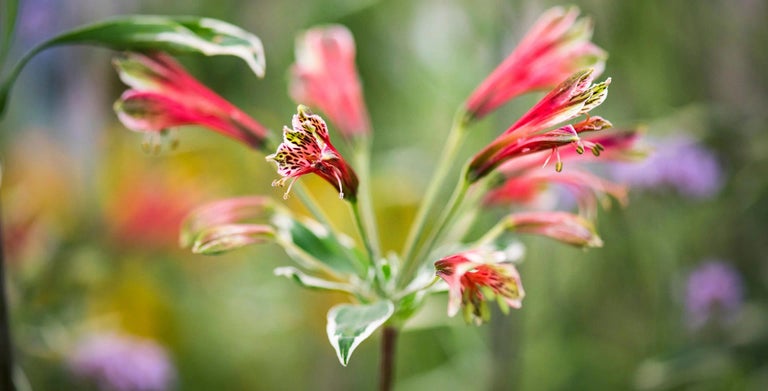
Clusters of colourful lily-like flowers
1
Bloom from early summer to late autumn
2
Perennials, so will live for many years
3
Most are hardy, but do give them a warm, sheltered spot
4
Need sun or partial shade
5
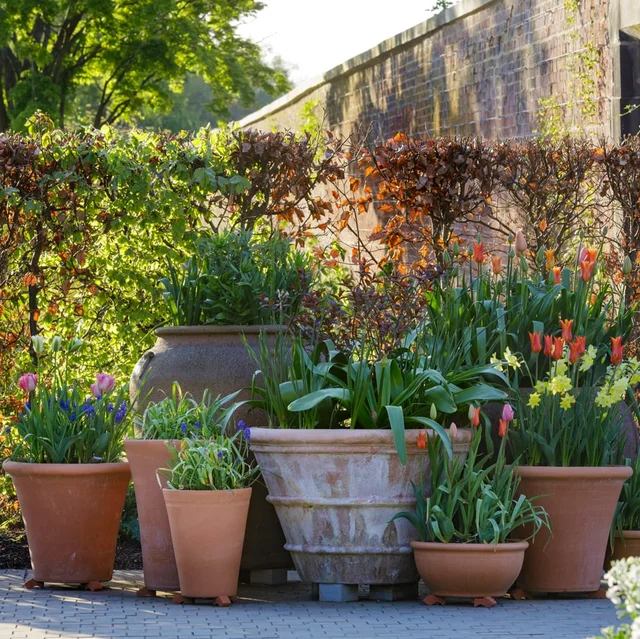
Grow in borders and containers
6
Plant in spring or autumn
7


Before you get started
What are alstroemerias?
Alstroemerias are fleshy-rooted herbaceous perennials, which means they grow from bulb-like tubers, producing new leafy stems every spring, flowering in summer and autumn, then dying down over winter. They live for many years, and although they look very exotic they are generally hardy, so can be left in the ground over winter.
They originate from South America, hence their common name of Peruvian lilies. They have been widely bred to produce a stunning range of flower colours, with petals often dotted, blotched or streaked with additional hues.
The lily-like flowers are held in clusters at the top of leafy stems, which are produced in succession from early summer to late autumn. These can range in height from just 15cm (6in) up to 1m (3 ¼ft) or more.
Choosing the right alstroemerias
As long as you can provide a warm, sheltered, sunny spot in free-draining soil, alstroemerias should be happy in your garden. The flowers attract bees and other pollinating insects, so alstroemerias are perfect for a wildlife-friendly garden.
There is a wide range of cultivars to choose from, with flower colours that will match or contrast with your existing plants. They grow to various heights to suit all positions in borders and even containers:
- Flowers – the vibrant lily-like blooms come in shades of purple, pink, red, orange, yellow or white, often blotched, speckled or striped with additional colours. This diversity means there are choices to fit most colour schemes and styles of garden, from bold exotic plantings to romantic cottage-style borders. They mingle well with other perennials and will extend your flowering displays well into autumn
- Foliage – the leaves come in various colours too, from bronze, grey-green to cream and green
- Plant size – they generally grow to between 50cm (20in) and 1m (3¼ft) tall, but there are taller and shorter options too, to suit all positions in a border. The compact cultivars (from 15cm/6in tall) also work well in containers. Check plant labels for height and spread before buying
There are 15 alstroemerias with an RHS Award of Garden Merit, which shows they performed well in RHS trials, so are reliable choices.
To browse photos and descriptions of alstroemerias, go to RHS Find a Plant. You can search by flower colour, height, growing conditions, RHS Award of Garden Merit and more, to help narrow down your choices.
How and what to buy
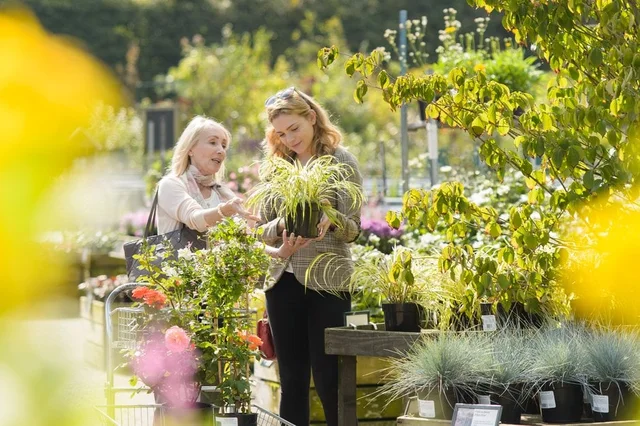
- Alstroemerias are widely available in garden centres and nurseries, and from online suppliers by mail order
- They are mainly sold as small plants in spring or larger plants in flower in summer and autumn
- It is best to buy container-grown plants rather than dry tubers (similar to ), as the latter often fail to grow
- Online suppliers sometimes offer plants and , which need potting up and , before they can be planted outside. See our guide to buying plants by mail order
Use RHS Find a Plant to track down stockists of specific cultivars.
Planting
Where to plant
In borders
- Alstroemerias like a warm, sunny, sheltered spot. They will tolerate light shade, but flower best in sun. Avoid planting in a particularly cold or exposed location. See our guide to assessing your garden conditions
- They are happy in most soil types, as long as the soil is free draining and not prone to waterlogging – the roots may rot in damp conditions, especially in winter
- Avoid planting taller types in a windy site, as the flower stems may get damaged
In containers
- Fill a large container with peat-free John Innes No 2 compost, with added grit (20% by volume) to ensure good drainage
- Move the container to a frost-free location over winter
When to plant
- The best time to plant alstroemerias is in spring or autumn, when the soil is relatively warm and damp, so the roots establish quickly
- If you buy alstroemerias in flower in summer, plant them straight away and take care to water them regularly for the rest of the summer, to help them settle in
How to plant
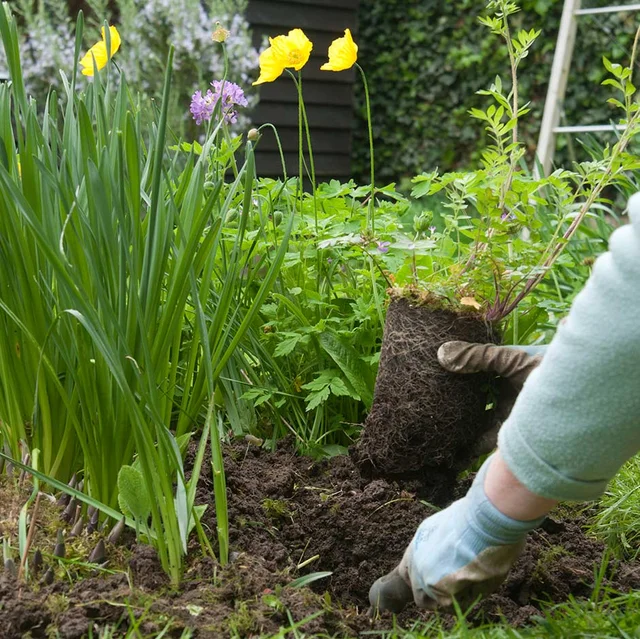
Alstroemerias are quick and easy to plant in borders and containers. Simply follow our guides below.
Ongoing Care
Watering
Alstroemerias are generally drought tolerant, so shouldn't need extra water once established.
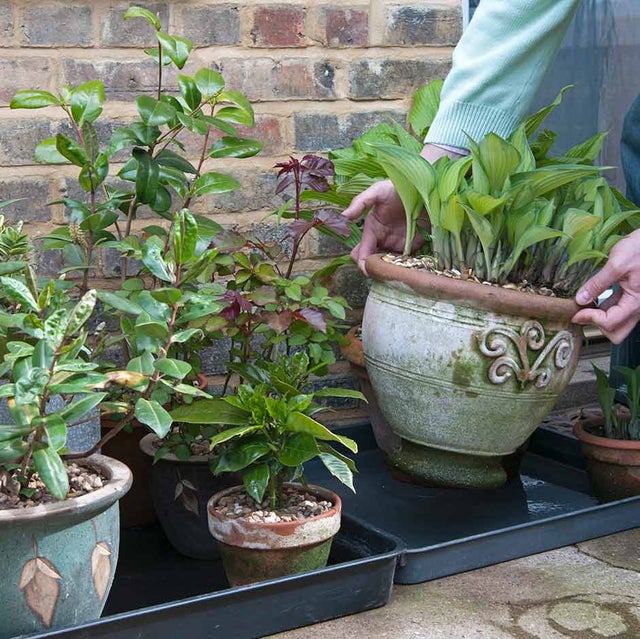
Plants in containers need watering as needed throughout the , as the will dry out quickly, especially in summer.
Feeding
It is beneficial to feed plants in containers, as they have less access to than plants growing in border soil. Feed with a high potassium fertiliser in summer, such as , following the instructions recommended on the packaging.
Supporting tall plants
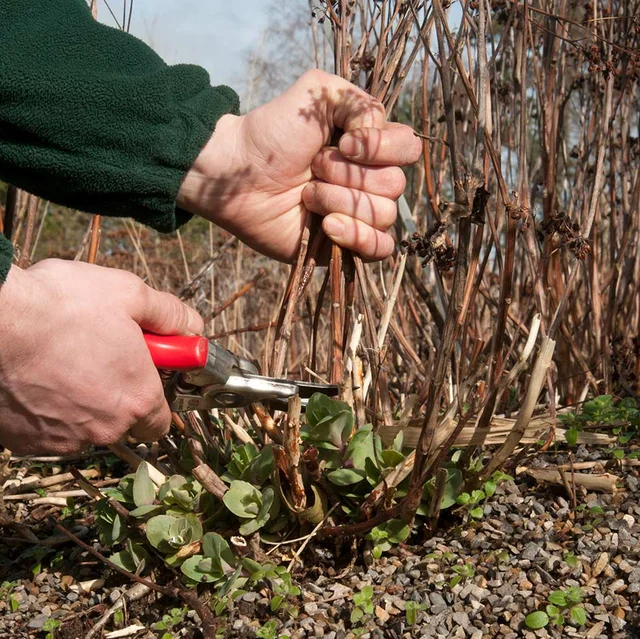
It is best to support all but the compact alstroemerias, using either twiggy pea sticks or stakes. This will prevent the flower-laden stems breaking in windy weather or heavy rain.
Harvesting flowers
Alstroemerias make particularly long-lived cut flowers, staying fresh for a couple of weeks in a vase:
- To pick, grasp the stem gently, low down and pull upwards – a quick tug. This severs the stem below ground and stimulates another , so you get another flush of blooms. You can then trim your picked stem to the required length
- However, in the first summer after planting, flower stalks are best cut rather than pulled, until the plant is firmly rooted in
Deadheading
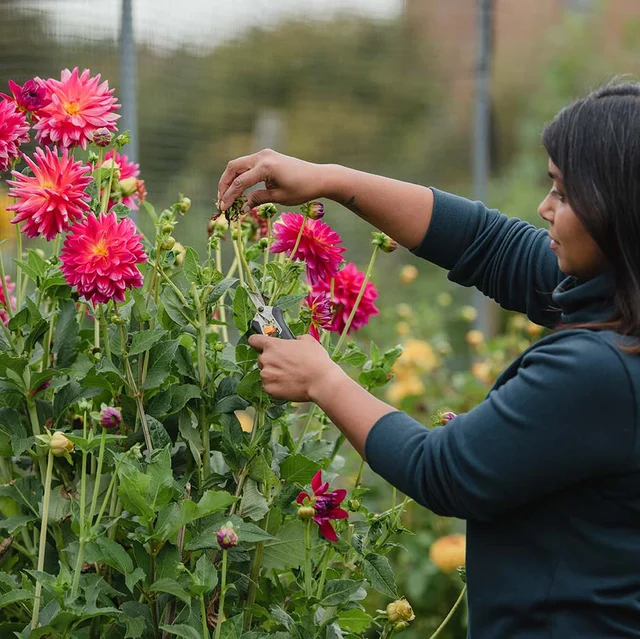
Once all the flowers in a cluster have faded, remove the whole stem with a gentle tug, the same as picking. This encourages further flower stems to sprout, keeps the plant looking good, and prevents it wasting energy on producing seeds at the expense of more flowers.
Overwintering
Plants in borders
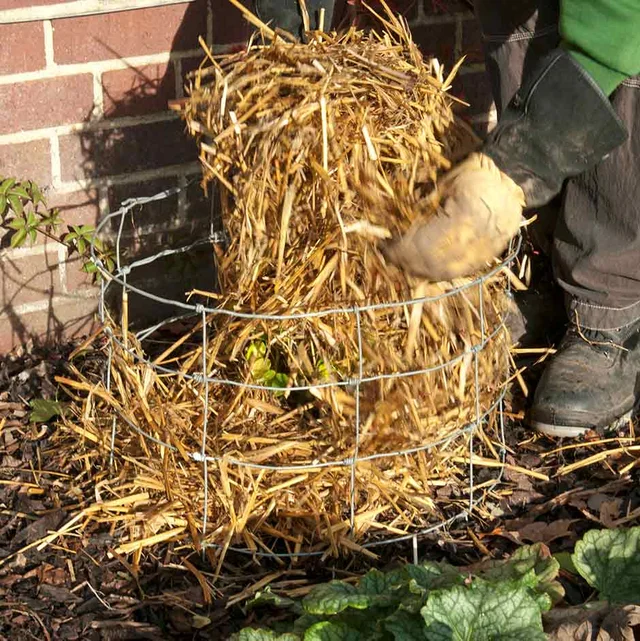
Most alstroemerias are hardy and should survive the winter outdoors once their roots are well established and have grown deep into the ground.
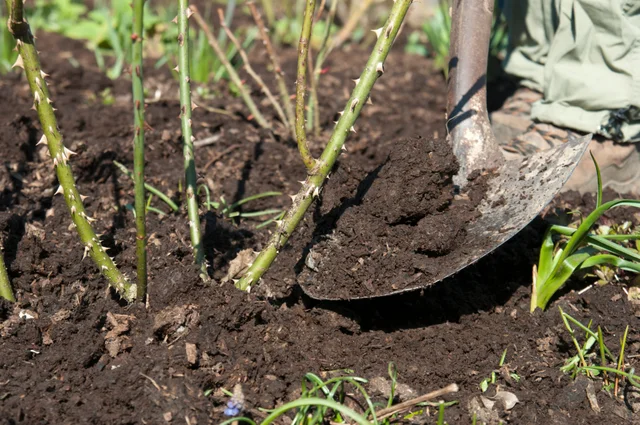
However, for the first couple of years after planting, apply a thick layer of mulch in autumn to the soil around the plant, to help insulate the roots. Composted is an ideal , in a layer about 20cm (8in) deep.
Plants in containers
- These should be moved to a frost-free location over winter, as the roots are more exposed to low temperatures than when growing in the ground
- This will also help to stop the compost getting saturated with excess winter rainfall, which can cause the roots to rot
- A sheltered porch or greenhouse would be ideal overwintering locations
Caring for older plants
Plants in containers should be re-potted every other year, into a container that is only slightly larger. See our guide to looking after plants in containers.
Established clumps in borders can be divided every few years to keep them vigorous and flowering strongly. See Propagating below.
Pruning and Training
Propagating
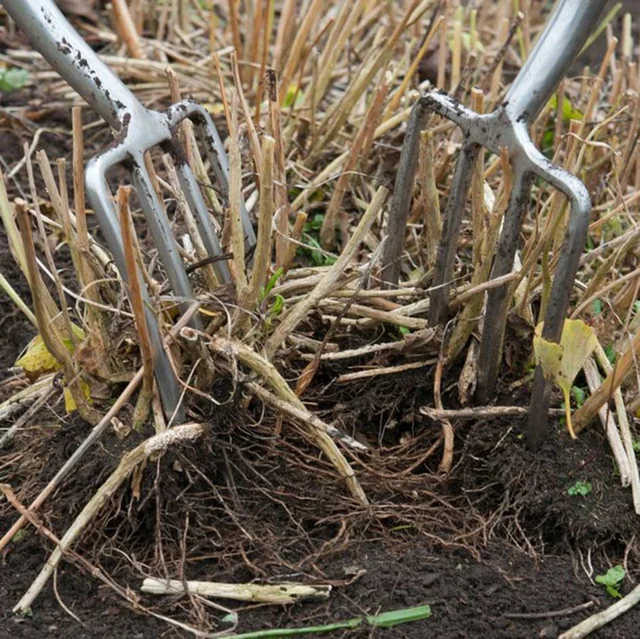
The quickest and easiest way to make new plants is by dividing mature clumps. The resulting plants will be exactly the same as the parent plant.
Alstroemerias can be tricky to grow from seed, and if using collected seeds the resulting plants may differ from the parents. Plants grown from seed will take several years to reach flowering size.
By division
can be divided in April. However, the roots are fragile, so lift and divide plants with care, and replant the new divisions immediately. See our step-by-step guides below.
By seed
Alstroemerias can be tricky to grow from seed, and even with careful attention is not reliable.
However, it is easy to collect seeds from your own plants if you don’t deadhead them – just bear in mind that the resulting plants may differ from the parent. You can also buy packeted seeds, but the choice is limited.
- Seeds are best sown in autumn
- Pods can be collected from the plants as they turn brown and kept in a sealed paper bag until they explode. The seeds should then be sown immediately
- Sow in peat-free in 8cm (3in) pots, covering the seed with a thin layer of . Keep the pots in a or cover with a glass pane to maintain
- Keep indoors at 20ºC (68ºF) for three weeks
- Then place in a coldframe or cold greenhouse at 5ºC (40ºF) for three weeks
- After this, bring back indoors at 20ºC (68ºF)
- Germination can be erratic
- The roots are fragile, so don’t separate the – keep in clumps when and planting out
The resulting plants should flower in two or three years.
Problems
When grown in the right conditions, alstroemerias are generally trouble free. However, do look out for the following issues:
- Winter cold – especially when newly planted, alstroemerias may suffer in freezing temperatures. Until they have put down deep roots, it is best to protect them with a thick layer of mulch over the root zone in autumn
- Rotting – in damp conditions, the roots are prone to rotting, so grow in free-draining soil or . Bring container plants under cover over winter, so they don’t sit in cold, wet compost
- Viruses – may occasionally be a problem
- Slugs and snails – may attack the young shoots in spring
If you’re a member of the RHS, you can use our online Gardening Advice Service, via MyRHS, for any gardening queries.