Appearance
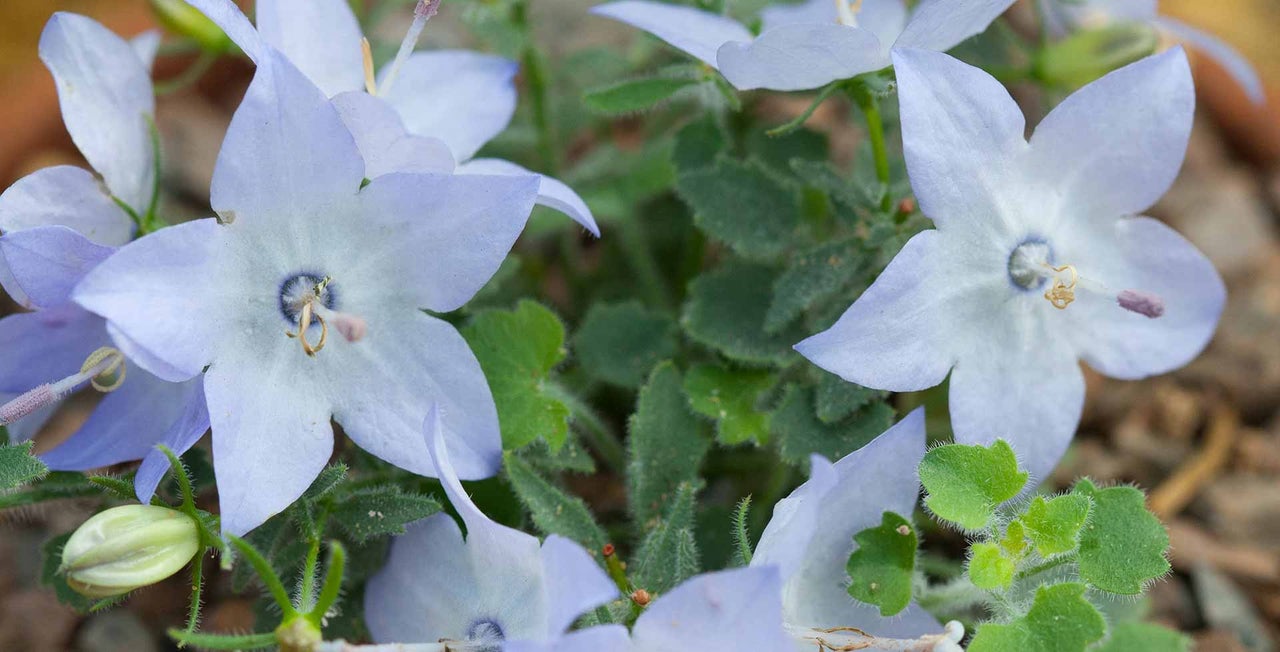
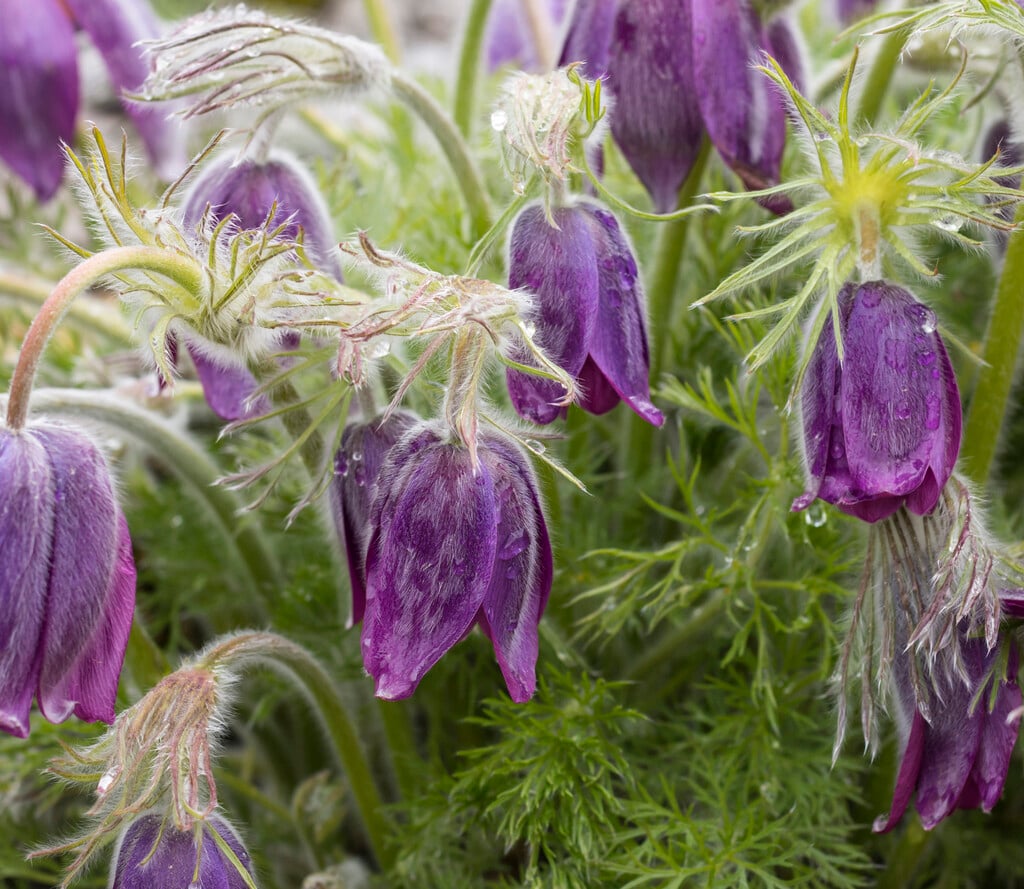
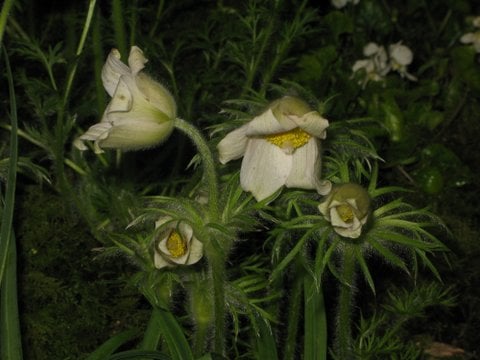
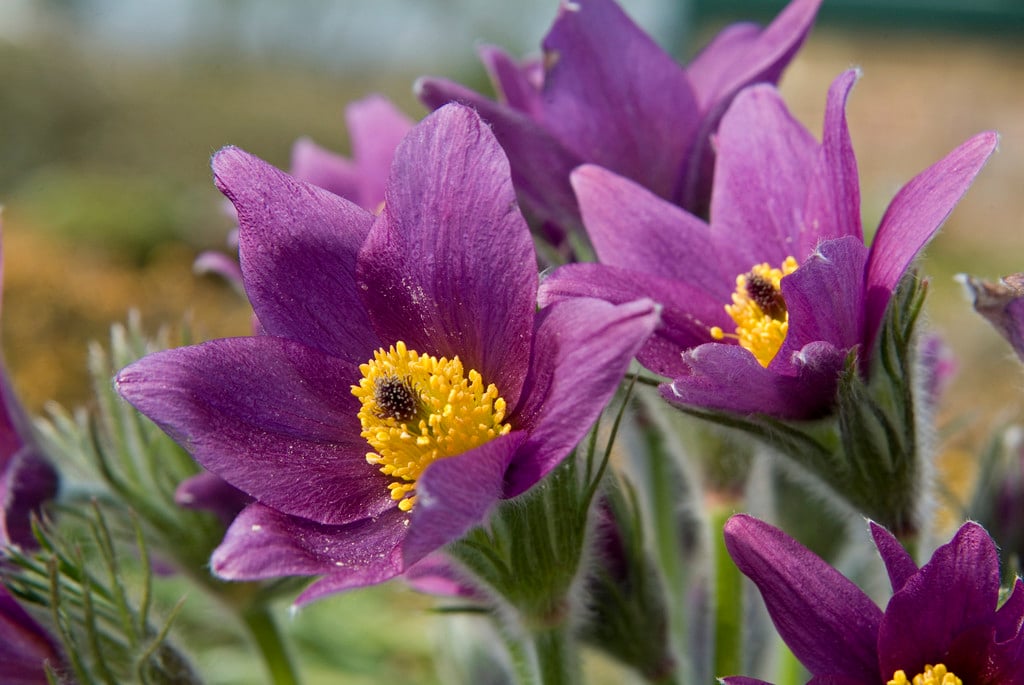
Pulsatillas form clumps of silvery, fern-like foliage with a soft, hairy texture. Their cup- or bell-shaped flowers appear in spring, mostly in muted shades of purple, dusky red or white. After flowering, they produce decorative, silky seedheads that persist into summer.
Preferences
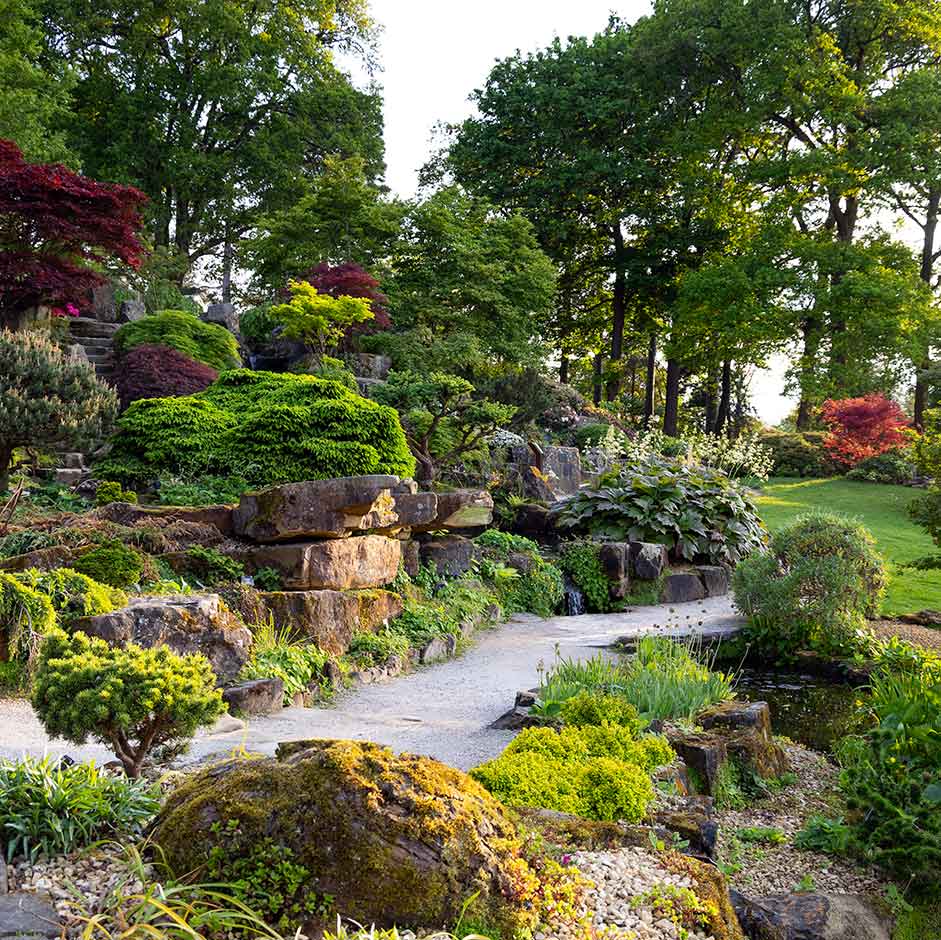
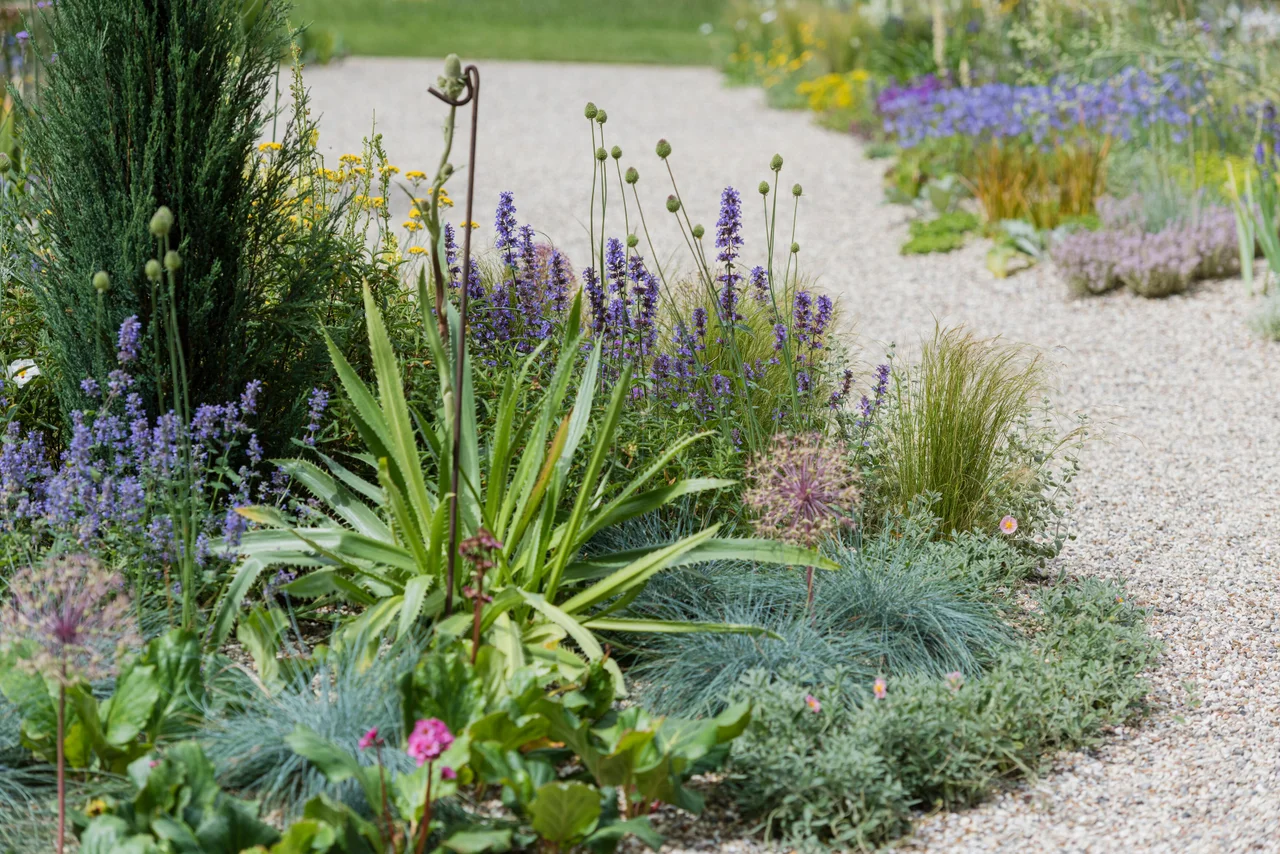
They require free-draining, gritty soil in full sun and thrive in rockeries, alpine beds and well-drained garden borders. Once established, they’re drought tolerant and low maintenance.
Dislikes
Pulsatillas dislike heavy, wet soils, especially in winter, and will not tolerate waterlogging. They don’t respond well to being moved or divided once established.
Did you know?
Pasqueflower (Pulsatilla vulgaris) is a rare native in Great Britain and Ireland and, according to folklore, grows where Viking blood has been spilled in battle. It is the county flower of Cambridgeshire.
RHS Growing Guide
FREE
Read our comprehensive free RHS Growing Guide:
How to grow alpines

Introducing Pulsatilla
x of x
Showing
x to x
of x