Quick Facts
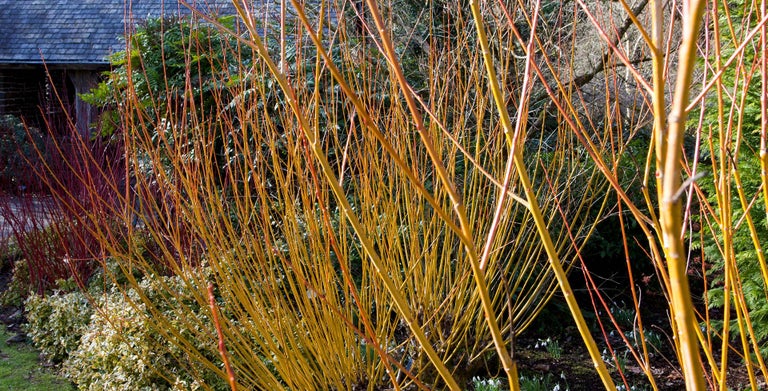
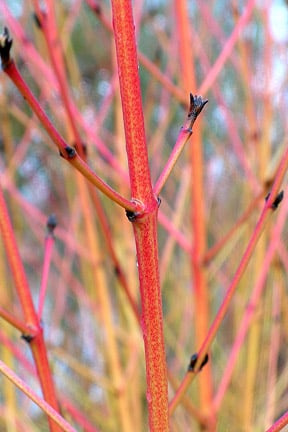
Colourful young stems in winter
1
Ideal for permanently wet or waterlogged soil
2
Plant in full sun for best stem colour
3
Cut back hard in spring to promote new stems
4
Ornamental catkins in early spring
5
Make more plants by taking hardwood cuttings
6


Before you get started
Choosing willows for winter displays
There are many different types of willow, both trees and shrubs, that produce colourful young stems, so you have a wide choice. Before buying, make sure you have enough space and the correct growing conditions for them.
Most willow are vigorous and even when pruned hard each spring can reach 1.2–2m (4–6ft) tall and wide. So check the eventual height and spread of cultivars before you buy, to ensure you have space for future growth. These willows are not suitable for growing in containers.
They need moist soil to grow well, and sunny conditions to bring out the best stem colours.
The colours of the young stems vary between different species and cultivars. Some of the most popular and vibrant include:
- golden yellow Salix alba 'Golden Ness'
- bright yellow to orange S. alba var. vitellina
- scarlet to orange S. alba var. vitellina 'Britzensis'
- deep violet S. daphnoides
If planting several willows in a group, you might choose different stem colours, so they contrast and really stand out.
Around 20 Salix species and cultivars have been awarded an RHS Award of Garden Merit, which shows they performed well in RHS trials, so are reliable choices.
To browse photos and descriptions of willows, go to RHS Find a Plant. You can also search by plant size, soil type, growing conditions and RHS Award of Garden Merit, to help narrow down your choices.
Planting tip
If space allows, it's worth planting in multiples of three or five, to really maximise the display.

How and what to buy
Willow plants are widely available all year round in garden centres, nurseries and online by mail order, but there is an especially good selection in autumn and early winter, when their vibrant stems are on display. This makes it easy to choose the best colours.
You can buy willows in a range of plant and pot sizes, at a corresponding range of prices.
To track down specific cultivars, go to RHS Find a Plant.

Planting
When to plant
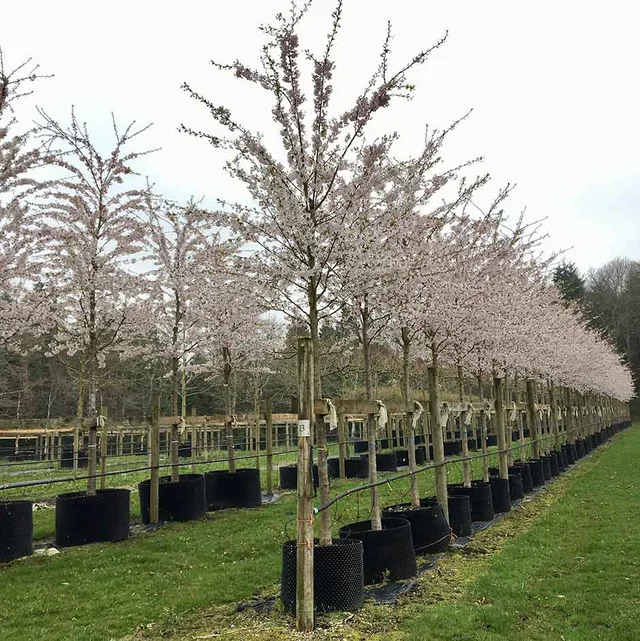
You can plant willows at any time of year. However, autumn is preferable because the plants can establish their roots over winter and will need less watering than if planted in warm weather. And a bonus is that you will see the colourful winter stems almost straight away.
Where to plant
- Choose a site with full sun for the strongest stem colour, and soil that stays moist during summer
- Willows are large plants, reaching 1.2–2m (4–6ft) tall even when pruned hard annually, so are best positioned at the back of borders
- Space single willows 1.2–1.5m (4–5ft) away from other plants
- For a dense block of colour, space several willows more closely, about 90cm (3ft) apart
- Alternatively, plant several in a row, as an informal ‘fedge’ (a cross between a fence and a hedge – see our guide on living willow)
- Willows are tough and fully hardy, so can be planted in frost pockets or on particularly cold sites
- Avoid planting willows near building foundations or underground pipes, especially in shrinkable clay soil, as they have an extensive, vigorous root system that can take up a lot of water

How to plant
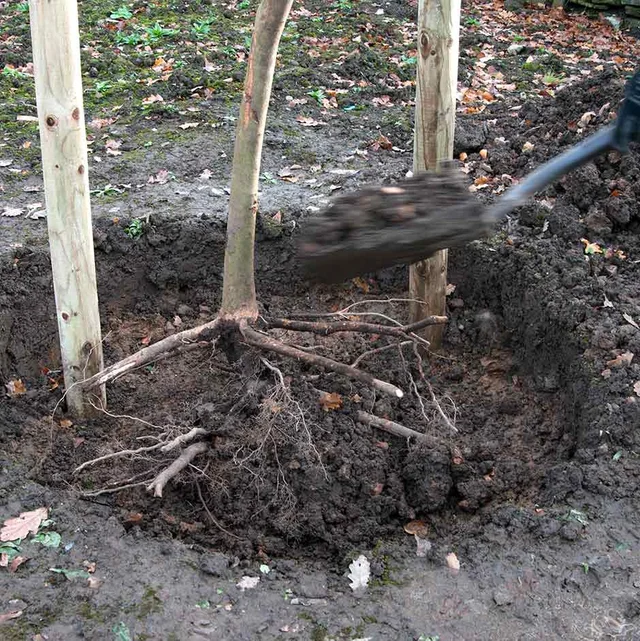
Willows are easy to plant, and should be planted as soon as possible after buying – simply follow our planting guides below.
Ongoing Care
Watering
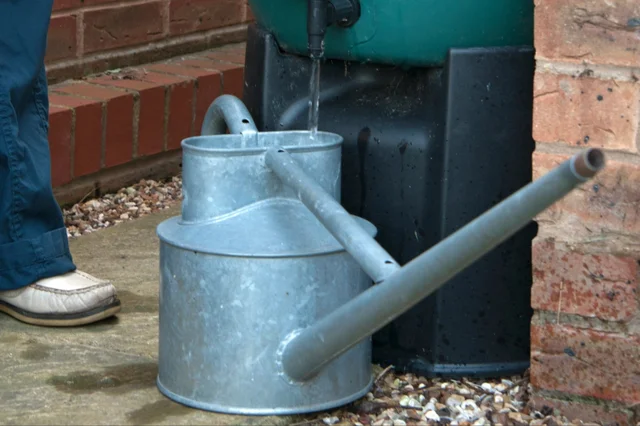
- Water newly planted willows regularly for the first summer, especially if the soil is not reliably moist during hot, dry spells
- To avoid unnecessary watering, check if the soil feels dry at a depth of about 15cm (6in), and if so, water generously, allowing it to soak in well
- Once well established, willows shouldn’t need watering when grown in the type of soil they prefer – moisture-retentive or wet soils, especially during summer
Feeding and mulching
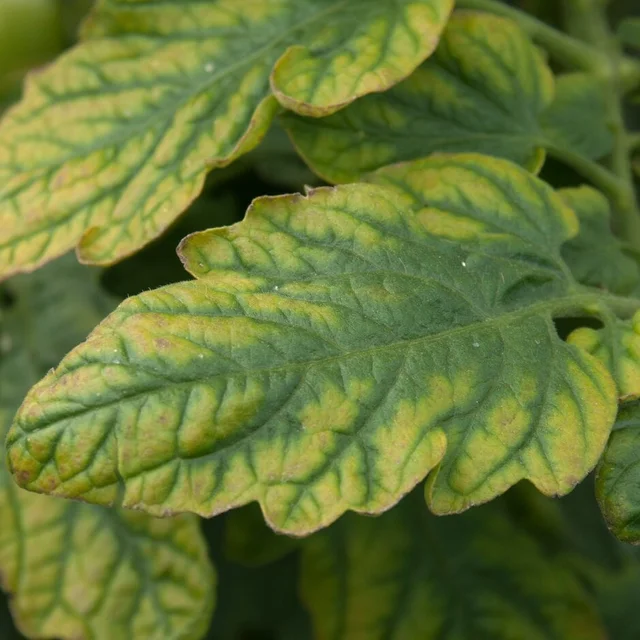
- Most willows are robust and vigorous and shouldn’t need feeding unless they are showing signs of nutrient deficiencies
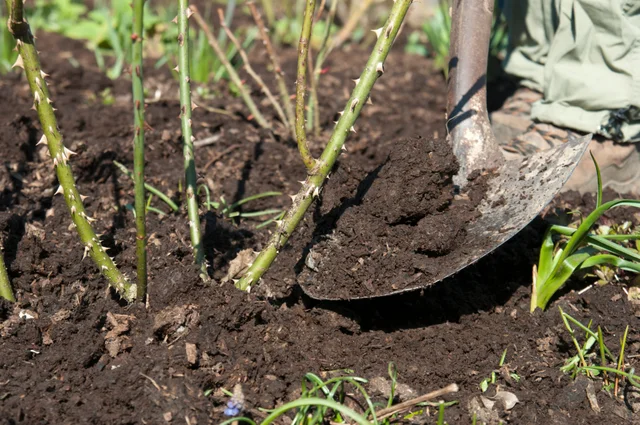
- Mulching around the plant with well-rotted organic matter, such as garden compost or farmyard manure, will improve the soil’s ability to hold water and will provide as it rots down
- Apply a 5cm (2in) thick layer of as the soil warms in early to mid-spring. It will help to deter weed at the beginning of the too
Caring for older plants
Low-growing stems tend to naturally dip down to the ground and root to form new plants. Willows may also send up suckers, or new shoots, from below ground, near the parent plant. The new plants in both of these cases can easily be controlled if willows are pruned regularly, but in a newly acquired mature garden you may come across willows that are a bit of a dense tangle.
Pruning and Training
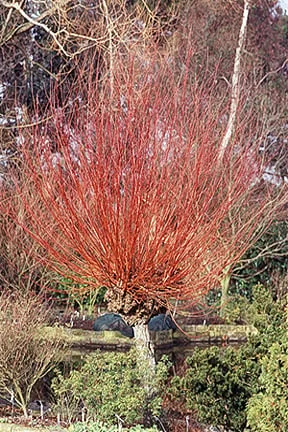
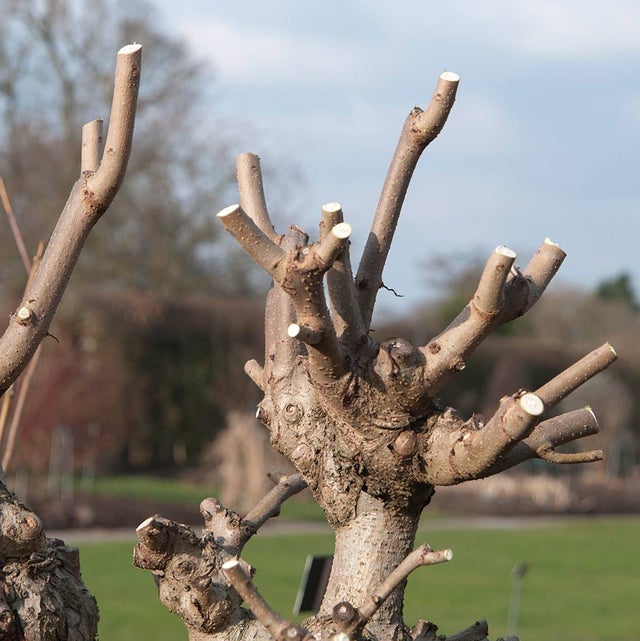
For the best, brightest stems every winter, cut willows back hard every year in April (mid-spring), just before new growth begins. Pruning in this way is known as coppicing and pollarding.
Only coppice or pollard young plants once they have been in the ground for at least two years and are growing strongly.
Propagating
It's easy to produce new plants by taking or by a process called layering, as willow generally roots easily and grows strongly.
Taking cuttings
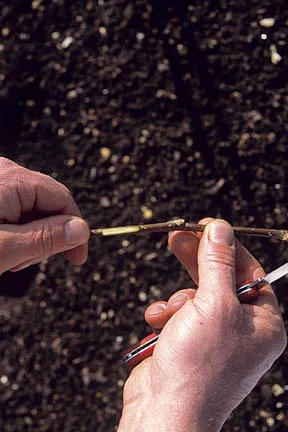
Willows grow readily from , taken between November and February – see our guide below.
With willows in particular:
- Select healthy, woody stems from the current year’s growth, about pencil thickness and 20–30cm (8–12in) long
- Insert into deep containers filled with a 50:50 mix of peat-free multi-purpose and coarse grit
- Keep in a coldframe or cool greenhouse over winter
- Check from time to time to make sure they haven’t dried out or are sitting in soggy compost
- New shoots will appear from the buds in spring
- They should be ready to plant out in autumn, and can be pruned (coppiced or pollarded) if necessary after two or three years


Layering
Low-growing stems on the outside of a plant are ideal for layering in spring:
- Bend the low stems down to the ground and peg them into the soil with a small hoop of wire
- They will naturally root, then can be severed from the parent plant in autumn and planted in a new site.
Problems
Willows grown for stem colour are usually robust, vigorous and healthy, if given a sunny position in soil that doesn't dry out. They don't grow well in chalky soil.
However, there are a few problems to look out for:
- willow anthracnose, scab and canker
- honey fungus
- tree rusts
- large willow bark aphids
- willow leaf beetles
- scale insects
- caterpillars and sawflies
- slugs and snails, which may damage soft, young, leafy growth
If you’re a member of the RHS, you can use our online Gardening Advice Service, via MyRHS for any questions or gardening problems.