How do I water?
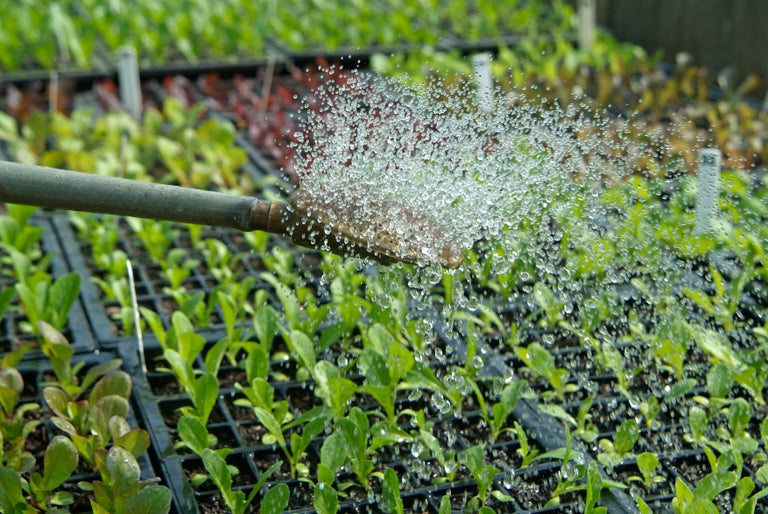
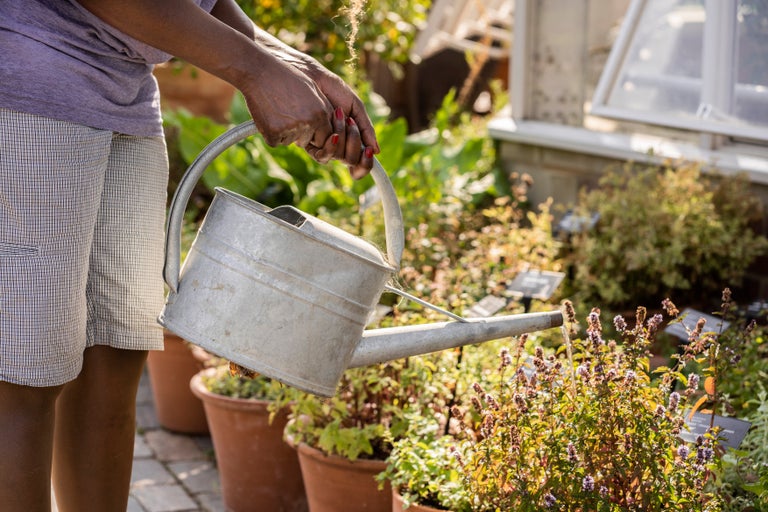
The key to watering successfully is to water thoroughly but not too often. Avoid just regularly wetting the top centimetre or so.
Dig down to a spade’s depth to see and feel if there is moisture in the soil. If the soil is dry, water thoroughly to the depth of the crop’s root zone. Bear in mind that soil type will determine how water is held in the soil. Use our soil types guide to discover what kind of soil you have and how it holds moisture.
Top five water saving tips:
1. Choose the right plant for the right place
2. Improve soil with organic matter
3. Mulch fruit trees and shrubs annually
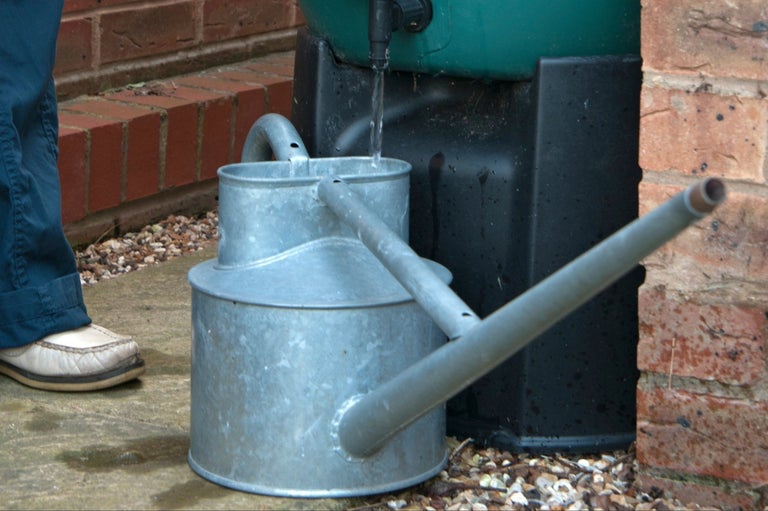
4. Store rainwater from hard surfaces in water butts
5. Use mains water only as a last resort
How often should I water my vegetables?
Vegetables need varying amounts of water depending on their stage of growth, the type of plant and the type of soil. For a general guide, the following may help:
- Freshly sown seed and young vegetable plants need consistent moisture. Water the seed before sowing
- Once plants are established and putting on growth, to keep watering to a minimum, water when drought will affect the part of the plant that is to be harvested
When should I water different crops
The amount of water needed by the crop depends on which part of the plant is eaten. Ideally, crops like lettuce, potatoes and cauliflowers should never suffer drought stress, but where it is not possible to water them thoroughly, watering at the rosette stage for lettuces and cauliflowers, and when potato tubers are forming – just before flowering, gives good results for relatively little water.
Legumes
Broad beans and peas need plenty of water at flowering time for pods to set, and again two weeks after flowering begins. As young plants, avoid too much water as this can encourage leafy growth and reduce the yield. Runner beans need constant moisture for pods to set, whereas French beans are less sensitive to some dryness.
Stem vegetables
Celery, celeriac and Florence fennel need water during growth. Periods of drought stress are very damaging and should be avoided, as this can lead to or poor-quality crops.
Cucurbits
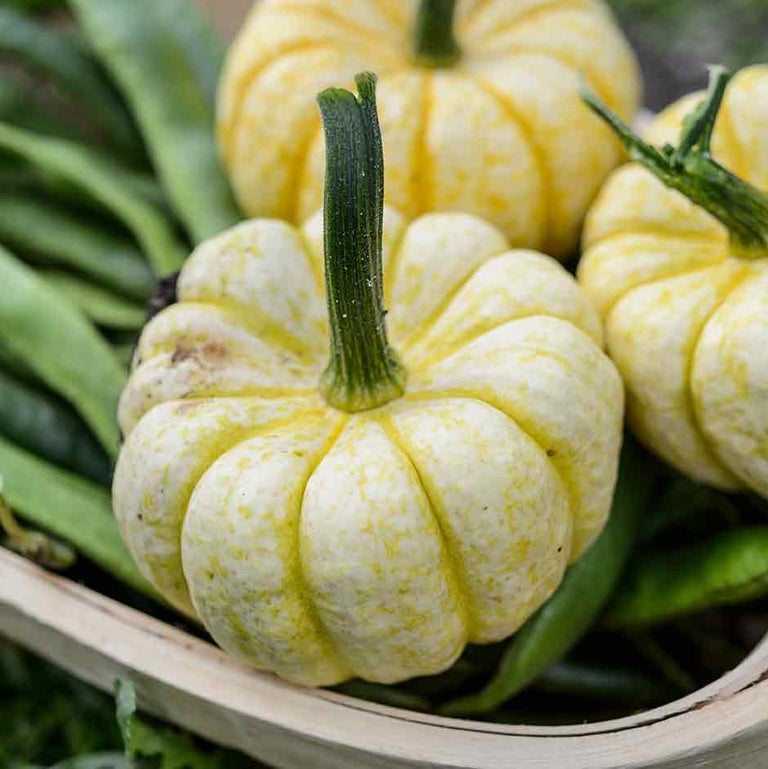
Courgettes need constant moisture all the way through to harvest. Marrows, pumpkins and winter squash benefit from watering but, in practice, often produce reasonable yields from minimal watering. Trailing types need less water as their spreading habit conserves moisture and the stems root where they touch the ground.
Fruiting crops
Aubergines, sweetcorn and tomatoes all need watering thoroughly to aid establishment. They also benefit from consistent watering throughout the flowering and fruiting period.
Leafy crops
Cabbages, chard, lettuce and other leafy salad crops need water at every stage of growth. If water is especially short, make sure that you soak the ground around cabbages and lettuces when hearts begin to form.
Root crops
- Carrots, beetroot and parsnips require watering before the soil becomes dry, for example, if there are 14 days without rain
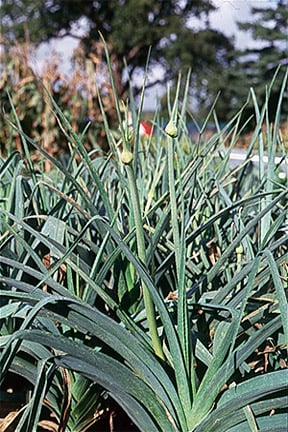
- Onions, shallots and leeks only need to be watered when they are establishing, and in very dry spells
- Potatoes benefit from being watered every 10–14 days once the tubers are marble size
- Radishes need to be watered every week in dry spells
Did you know?
Too little water can cause bolting, which is when a plant prematurely sends up a flowering stem and goes to seed. Bolt-resistant cultivars are available for many crops prone to bolting. See our guide to bolting for more information.
How can I maximise my fruit crop?
Fruit trees
- Water young fruit trees during dry spells in the first three or four growing seasons after planting. If they become stressed, this can cause stunted growth, a weakened root system and a higher susceptibility to pests and diseases
- Established trees should only need watering during prolonged dry spells. Fruit trees that experience drought stress are likely to produce fewer and smaller fruits
- You will know if your apples suffered from drought if the fruits have bitter pit or watercore
- Reduce competition by keeping a vegetation‑free tree circle at least 1 m (3⅓ ft) in diameter around the trunk. Ideally, around the tree annually with organic matter such as homemade
Soft fruit
- Keep berries such as strawberries, blueberries and raspberries well-watered through flowering, fruit set, development and through to harvest
- Currants and gooseberries dislike dry conditions but are not as badly affected as strawberries, blueberries and raspberries
In containers
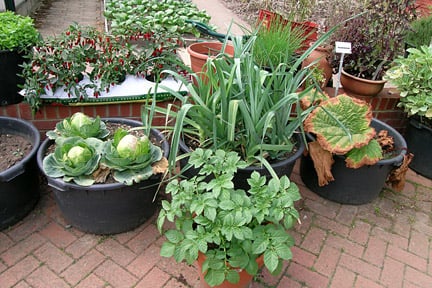
From spring through to autumn, check that the compost is still damp where the roots are. You may need to water every day in dry spells. See our guide to watering containers.
How can I reduce the need for watering?
Watering plants is time consuming but with a little planning, you can water less and enjoy more time picking and eating your produce.
No-dig gardening
A no-dig approach can significantly reduce how often plants need watering. Digging soil exposes moist layers to air, allowing water to evaporate more quickly. It can also break up soil structure and the beneficial soil life that help plants access water.
- No-dig helps retain moisture by restricting soil disturbance to , planting and harvesting
- Undisturbed soils allow roots and soil organisms to form stable networks that improve water uptake
- Adding organic matter to the surface, rather than digging it in, protects soil structure and reduces water loss
- After mulching the soil, you can sow or plant directly into the
Other techniques to reduce water use:
- To create new fruit and veg growing areas, add plenty of organic matter. Garden compost, well-rotted manure and are all useful
- When planting fruit trees or shrubs, if your soil is poor, mix a bucketful of organic matter into the soil you remove from the planting hole and use this to backfill after planting. This minimises soil disturbance and helps the plant get off to a strong start
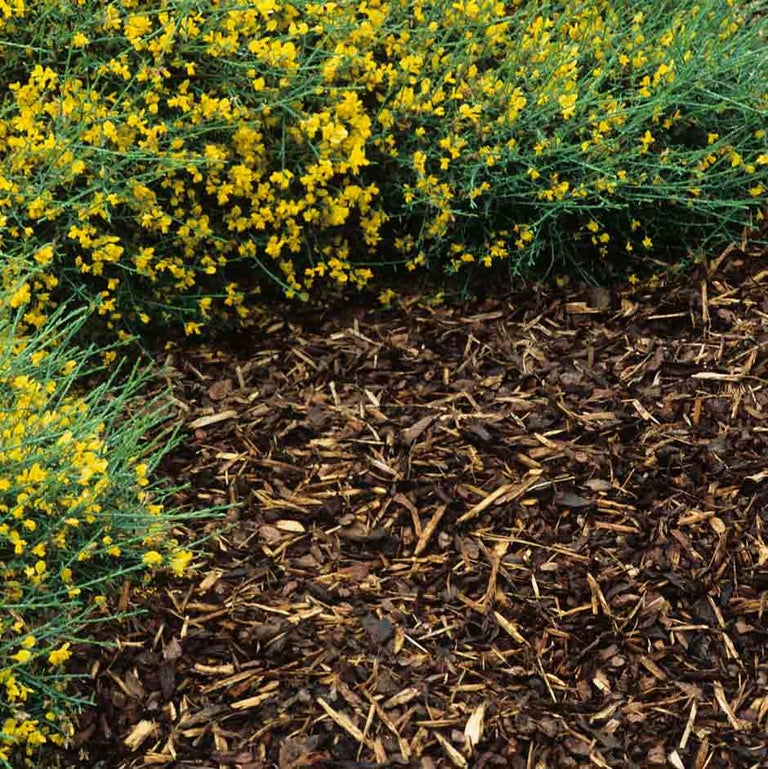
- Mulch under crops after watering or rainfall with a 5–7.5cm (2–3in) layer of organic matter. Mulching will improve your soil, help to retain moisture and suppress weeds
- Keep vegetable-growing areas free of weeds. A surprising amount of moisture can be taken from the soil by weeds
- Plant through a layer of fabric, such as jute or hessian matting, to conserve water and control weeds. Onions, garlic and leeks generally do not cope well with competition from weeds. If you grow potatoes this way, they do not need
- If you plan to set up irrigation, such as leaky pipes or drip lines, place it underneath the fabric
- On very dry soils, plant transplants a little lower than the surrounding soil so that water collects in the ‘puddle’ and sinks in
- Collect rainwater in water butts to reduce the need to use mains water. For more information, see our guide to collecting, storing and reusing water
What happens if I water more than the plants need?
- The growth of the plant will increase, but not necessarily the edible portion. For example, peas watered before flowering make more leafy growth but not proportionally more pods
- Blossom end rot can affect tomatoes and related crops, such as aubergines and peppers, when watering has been inconsistent
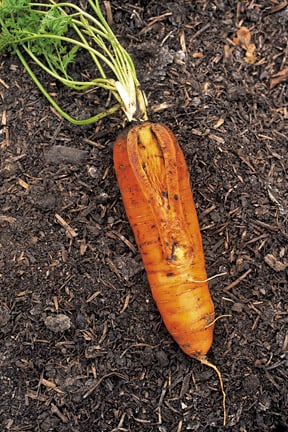
- Too much water can cause root vegetables such as carrots to split
- Overwatering can exacerbate slug and snail problems and encourage rotting of roots and lower sections of stems
Using hosepipes and irrigation systems
Be aware that you need to have a double check valve on all outside taps to meet water regulations. The valve is designed to prevent any contamination flowing back into the mains supply.
For permanent, automated garden irrigation systems connected to the mains, a break tank providing an air gap is often a regulatory necessity to ensure the safety of the public water supply.