Quick Facts
Easy to grow, from bulb-like corms
1
Bloom from mid-summer to autumn
2
Showy flowerheads in a choice of fiery colours
3
Like moist but well-drained soil in full sun
4
Smaller types can be grown in containers
5
Range from 60cm-2m (2-6½ft) tall
6
Clumps naturally expand over the years
7


Before you get started
What are crocosmias?
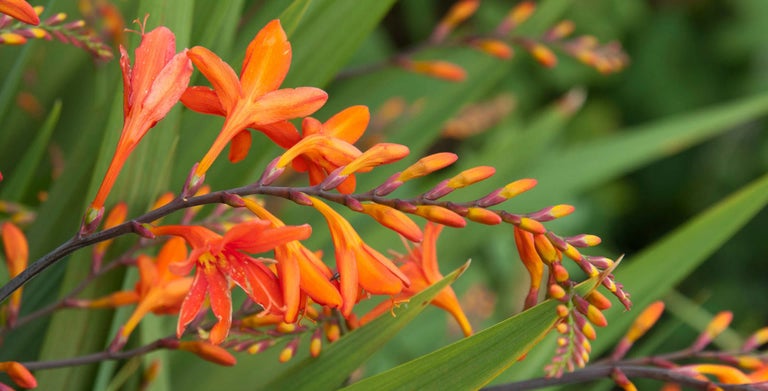
Crocosmias are popular border plants, prized for their tall-stemmed, brightly coloured flowers in late summer and early autumn. They come in a range of fiery colours, with distinctive, architectural flowerheads comprising rows of small trumpets that open in succession along to the tip of the arching stems. These rise above clumps of sword-like leaves and give a long-lasting boost to borders at a time when many summer plants are past their best.
Crocosmias originate in the grasslands of South Africa and are members of the iris family. There are hundreds of cultivars, offering a range of sizes and colours to suit all styles of garden – the gentler hues mingle well in cottage-style borders and mixed plantings, while the brighter colours add bold focal points in borders and containers. The large vibrant cultivars work particularly well in hot-themed and tropical plantings. Crocosmias blend well with ornamental grasses and are ideal for prairie-style borders. They make long-lasting and architectural cut flowers too.
These plants grow from underground corms (similar to bulbs), with additional corms forming each year to create increasingly large clumps. Plants die down over winter, then re-sprout in spring. Most of the readily available cultivars are hardy, despite their tropical good looks, although in cold sites it’s worth adding a covering of mulch to protect them over winter.
Crocosmia × crocosmiiflora, in particular, has a tendency to spread, so may eventually need controlling. Most of the cultivars are better behaved though, forming gradually expanding clumps. Crocosmias are shallow-rooted, so can be dug out fairly easily if they spread beyond their allotted space. Alternatively, grow in containers.
Choosing crocosmias for your garden
There are so many beautiful crocosmias to choose from that it can be hard to know where to start. To help narrow down your choices:
- Check the height and spread before buying, as crocosmias range from 60cm (2ft) tall up to 2m (6⅔ft). Larger cultivars need careful positioning, so they don’t overshadow nearby plants. More compact types can be grown in containers. To find cultivars of the right size for your planting position, go to RHS Find a Plant and search by your required height range
- Take your pick from glowing shades of red, orange and yellow, as well as softer hues, such as gold, dusky orange or peach – go to RHS Find a Plant and browse the photographs or search by your preferred flower colours
- Look in particular for cultivars with an RHS Award of Garden Merit, which shows they performed well in RHS trials, so are reliable choices
How and what to buy
Crocosmias can be bought as dormant bulb-like corms in spring, or as growing plants in containers from spring to autumn.
They are widely available in garden centres and online, with specialist suppliers offering the greatest choice.
Corms are generally cheaper than containerised plants. However, buying crocosmias in flower gives you the chance to see the plants in their prime, and add instant impact to your borders.

Planting
Crocosmias are quick and easy to plant, and settle in rapidly, usually flowering in their first year.
Where to plant
Crocosmias will grow in a wide range of soil types, but ideally prefer a warm, sunny spot in fertile, moist but well-drained soil. Some will cope in light shade, but flowering may be reduced.
Avoid planting in waterlogged or very dry conditions, or in deep shade. In cold sites, some cultivars may need winter protection, such as a thick layer of mulch.
The smaller types, including ‘Solfatare’ and ‘Emily McKenzie’, at about 60cm (2ft), are ideal for the front and middle of borders. Taller types, such as ‘Lucifer’ (1.2m/4ft) and Crocosmia mathewsiana (2m/6½ft), form bold clumps that stand out well at the back of borders.
Crocosmias are suitable for many styles of border, but particularly tropical plantings, where the lush foliage and vibrant flowers of cultivars such as ‘Lucifer’ are an eye-catching addition. Softer colours, such as pinky-yellow ‘Peach Sunrise’ and golden ‘Coleton Fishacre’ are ideal for cottage-style borders. Crocosmias generally work well in mixed borders, especially with other late-flowering perennials, such as dahlias and salvias, and mingling with ornamental grasses. They also suit prairie-style borders.
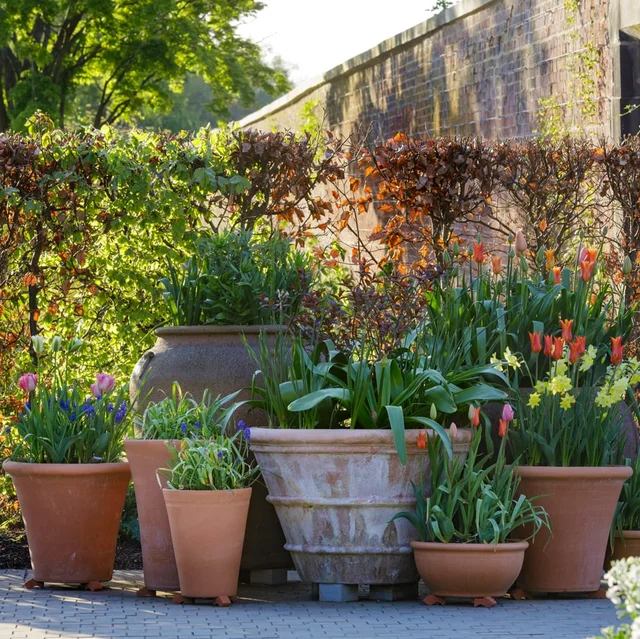
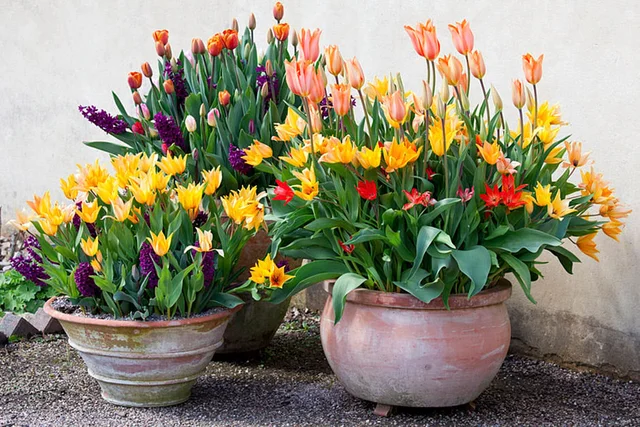
Smaller cultivars can be grown in large containers, either on their own or mixed with other compact late-flowering plants. This is also a good option if you don’t want plants to spread.
They can also be grown in cut-flower beds, so you can pick the vibrant long-lasting blooms to brighten up your home in late summer and autumn.

When to plant
- Plant corms in spring
- Containerised crocosmias are available from spring to autumn and can be planted at any time, but avoid very hot or dry weather as they may struggle to get established
How to plant
Crocosmias are quick and easy to plant, either as dormant corms (similar to bulbs) or as containerised plants in full growth. They should flower in their first year, and for many years to come.
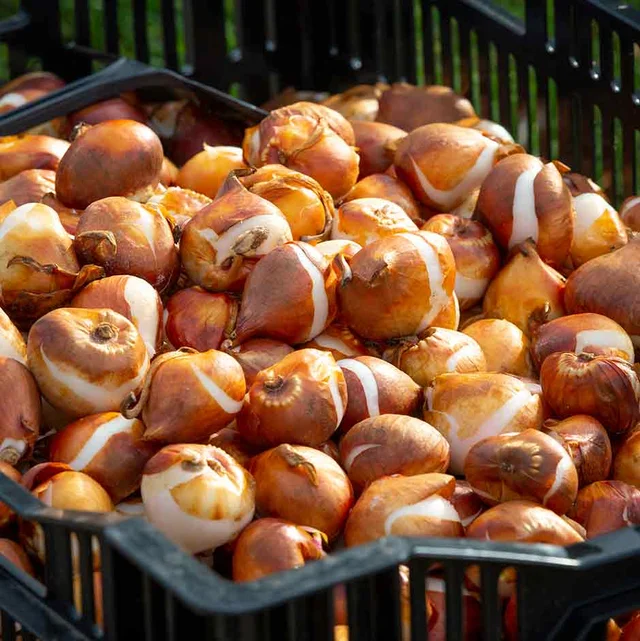
- Crocosmia corms should be planted at about three times their depth and 10-20cm (4-8in) apart, with the slightly pointed end upwards and roots downwards. Plant in groups for maximum impact. See our guides below
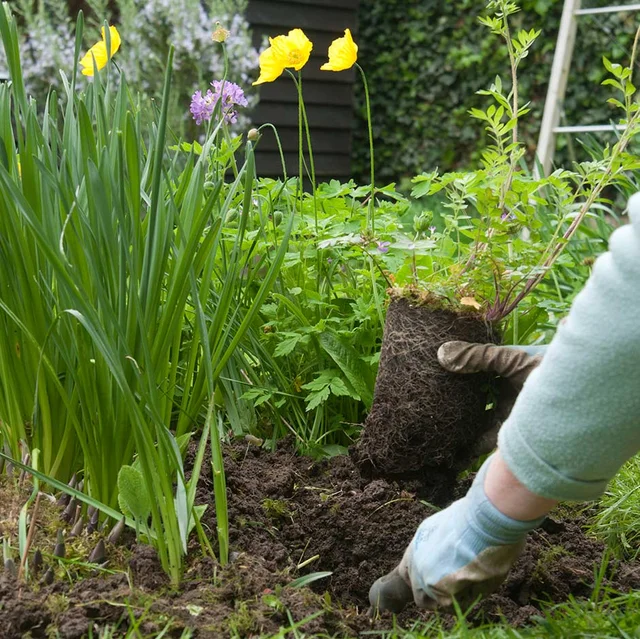
- Crocosmias bought in containers should be planted in a similar way to other perennials – see our guide below.
The more compact crocosmia cultivars, such as ‘Emily McKenzie’ (60cm/2ft tall), can also be planted in large containers, either as dormant corms or potted plants.
Ongoing Care
Crocosmias are long-lived, low maintenance and need little attention once settled in.
Watering
Water newly planted crocosmias regularly until they are settled in and growing strongly. After that, they won’t generally need additional watering, unless the soil dries out in summer.
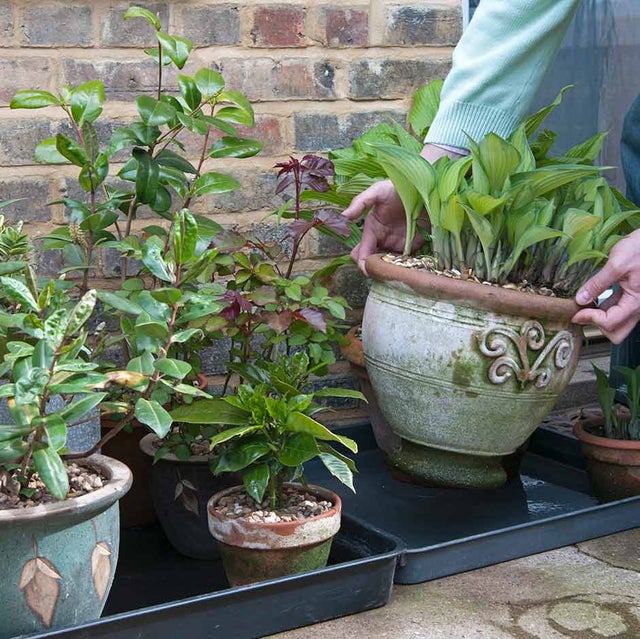
When growing crocosmia in a container, you’ll need to water as needed throughout the . Even in a large container, the relatively small amount of can dry out quickly, especially in warm weather, so check regularly.
Feeding
When grown in the ground, crocosmias don’t usually need feeding.
When growing crocosmias in containers, apply a high-potassium liquid feed, such as tomato food, fortnightly throughout summer, to encourage flowering.
Mulching
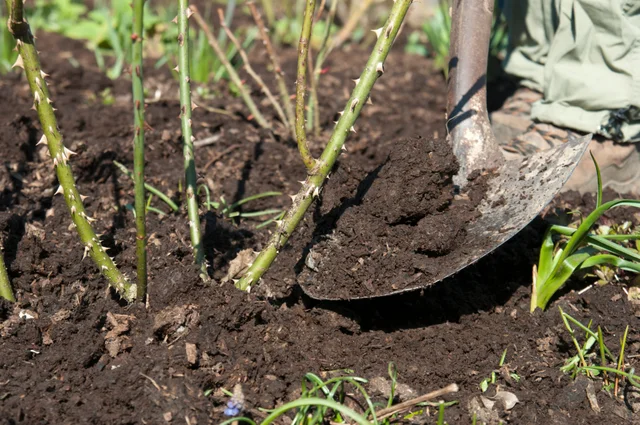
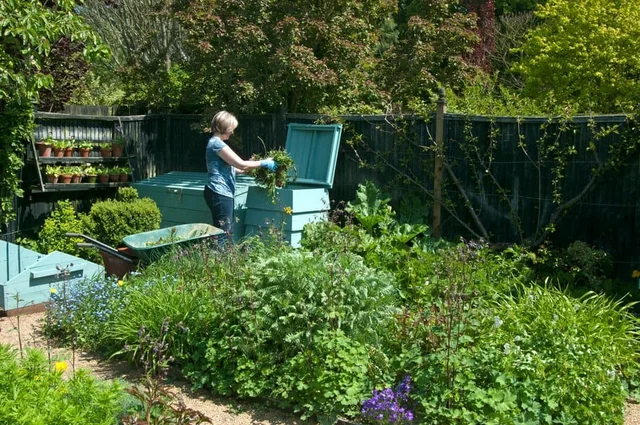
Apply a thick mulch of organic matter, such as well-rotted garden compost or manure, over the soil surface in autumn or spring. This will deter weeds and help to prevent the soil drying out, which can reduce flowering.
Overwintering
Despite their exotic appearance, most crocosmias sold in the UK are hardy, especially when grown in a warm, sheltered site.
However, in cold areas, it may be safer to spread a thick layer of garden compost over the soil in late autumn to insulate the underground corms.
Caring for older plants
If clumps become too large and congested, flowering may be reduced. Every three to five years, dig up the dormant corms in early spring, break them up into individual corms and replant in smaller groups.
Crocosmias also have a tendency to spread – some more readily than others – and can form large, dense swathes over time. To control them, dig up and remove unwanted corms.
Pruning and Training
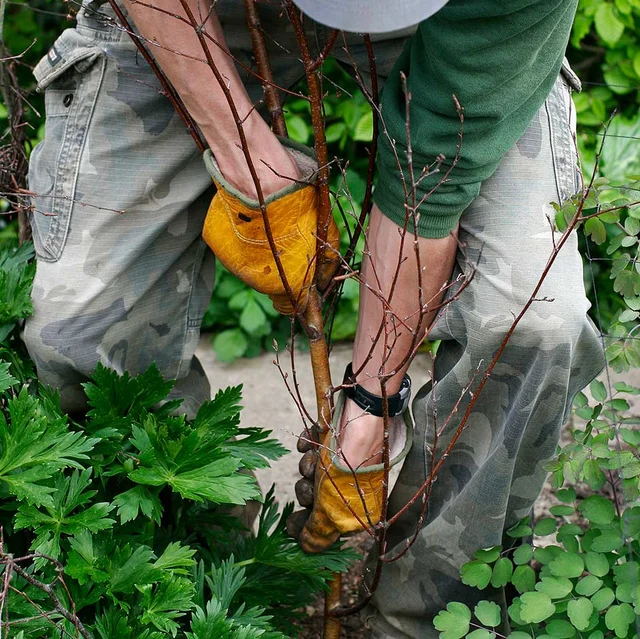
Taller cultivars, such as such as ‘Lucifer’ (1.2m/4ft) and Crocosmia mathewsiana (2m/6½ft), may need support to prevent flopping, especially in wet, windy weather. Use twiggy sticks or curved wire frames, putting them in place in spring so they become hidden by the foliage – see our guide to staking perennials, below.
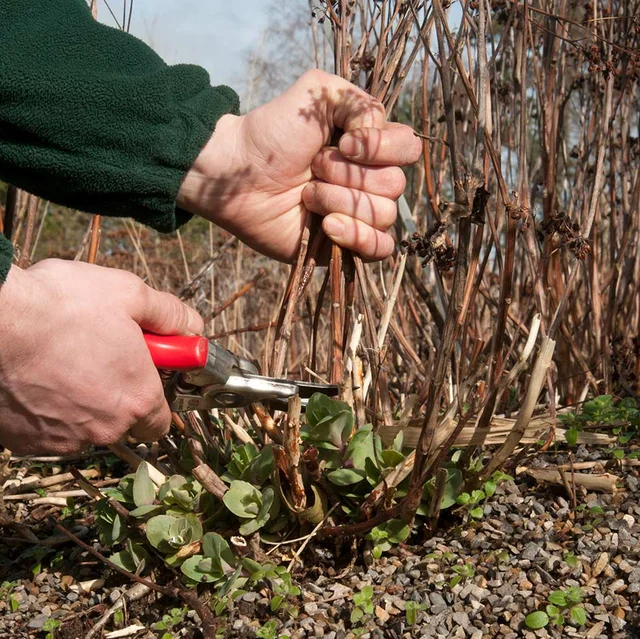
No pruning is required, apart from cutting back the spent foliage once it dies down in late autumn, or in early spring before new shoots appear. Leaving old faded foliage in place over winter provides valuable shelter for wildlife.
Propagating
From corms
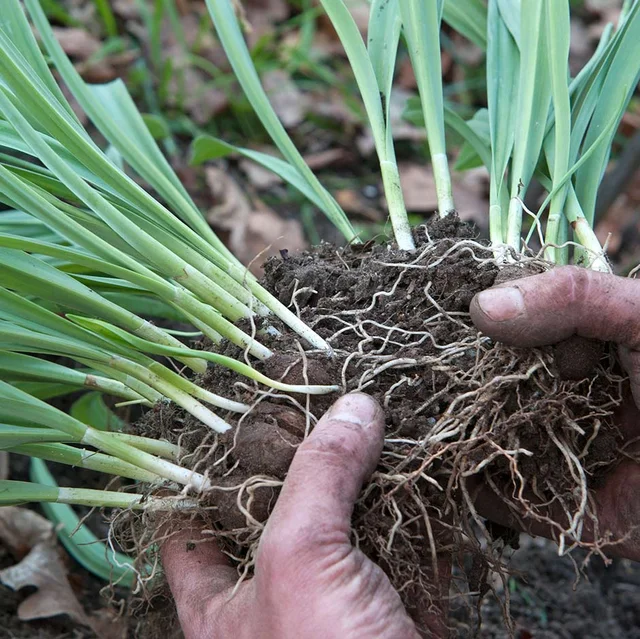
Crocosmias grow from underground corms (similar to bulbs). Individual plants produce a new each year to form increasingly large clumps. They are easy to propagate by digging up the dormant corms in spring and pulling apart the knobbly clumps into individual corms, then replanting in smaller groups, spaced 10-20cm (4-8in) apart. This should be done every three to five years, to reinvigorate them and keep them flowering well.
From seed
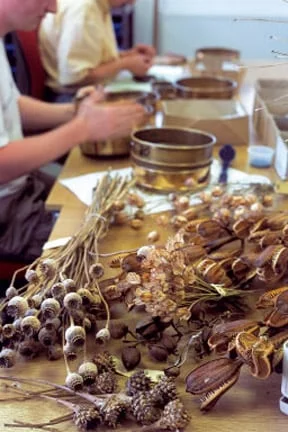
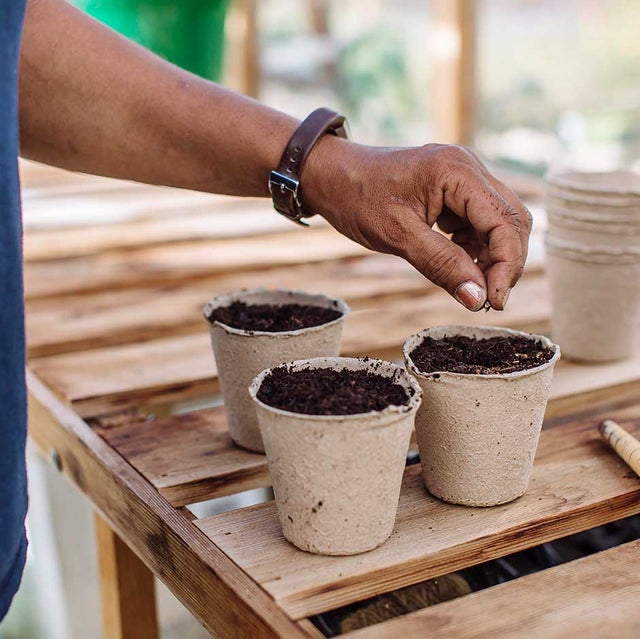
You can also grow crocosmias from seed, although this is a slower, fiddlier process than simply dividing the corms, and the resulting new plants may take several years to reach flowering size.
It is easy to collect and sow seeds – see our guides below. Also bear in mind that the offspring may differ slightly from their parent, but you may produce some interesting new variations.
Problems
Crocosmias are generally trouble free when grown in suitable conditions. However, you may sometimes find:
- Poor flowering, which may be a due to dry soil or too little sun, or overcrowding – dig up and divide the dormant corms in spring every three to five years, to rejuvenate clumps (see Propagating, above)
- Red spider mites – this -sucking pest can occasionally affect crocosmias, especially in hot, dry conditions
- Vigorous spreading – some crocosmias, especially C. × crocosmiiflora, can spread rather too readily, so may need controlling – weed out unwanted plants, digging out the underground corms. They are not deep rooted, so are easy to remove. But don’t add them to your heap, as they may survive the composting process and be spread around the garden when you use the compost
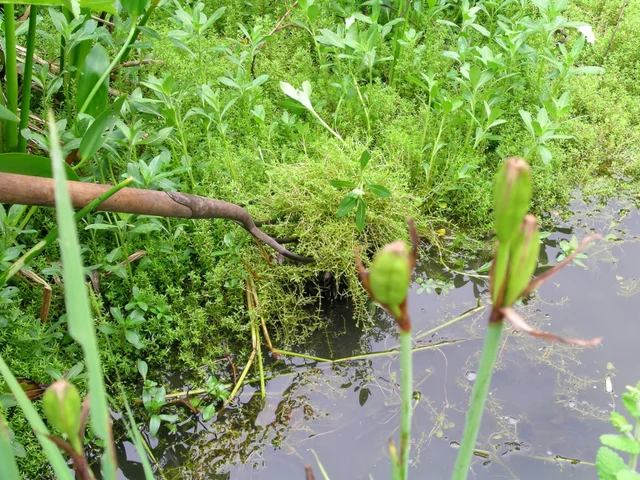
It is also important not to let crocosmias ‘escape’ from your garden into the wild, as their dense growth can crowd out species. If your garden adjoins countryside, avoid planting C. × crocosmiiflora in particular, to ensure this species doesn’t spread beyond your boundaries, as it is illegal to plant it, or otherwise cause it to grow, in the wild.
If you’re a member of the RHS, you can use our online Gardening Advice Service, via MyRHS, for any gardening problems or queries.