Quick Facts
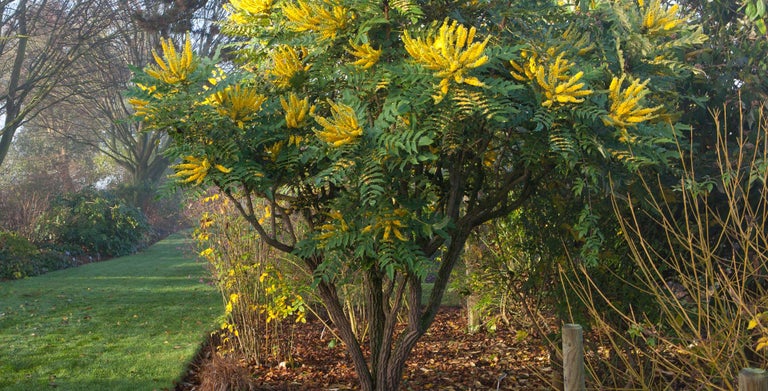
Light grey-green to dark green, usually spiny-margined evergreen, leathery leaves, some with autumn tints
1
Bright yellow, fragrant flowers in panicles or clusters between autumn and spring
2
Decorative purple-black fruits
3
Good for a shady corner or woodland garden
4
Useful for screening, groundcover and border structure
5
Winter and early spring flowers are early nectar plants for pollinating insects
6


Before you get started
Choosing a mahonia
It might seem like mahonias are all much alike, especially when looking at a selection of young shrubs in the garden centre. There are differences in leaf and flower shape, plant size and habit however, and so to choose the right plant for your garden, consider the following:
Eventual size and shape
There is much variety in the size and shape of mahonias. Are you after a spreading, low-growing plant for groundcover or perhaps a large, bushy shrub for a mixed border? If you want a plant for tall border structure choose a vigorous, taller-growing . Check the labels of plants you are considering for the eventual height and spread, to ensure they're suitable for your needs.
Some like Mahonia aquifolium are suckering shrubs, low-growing but wide spreading; others are tall and upright and include M. japonica, which reaches 2m (6½ft) in height, and M. × media which grows to 5m (16ft) tall. Some, such as M. nitens 'Cabaret', are bushy and rounded to 1.5m (5ft) tall.
Foliage
Mahonias are evergreen shrubs, ranging in colour from grey-green to dark green, some with crimson and orange autumn tints. Low growing cultivars have leaves to 30cm (1ft) long, made up of up to 9 spiny-toothed leaflets, while many tall cultivars bear large, quite spiny-margined leaves to 45cm (18n) long in up to 20 leaflets.
Flowers
Flowers are borne from autumn to spring and are fragrant. They are usually bright yellow and either clustered in shape or in spreading and upright terminal panicles to 45cm (18in) long. The smaller densely-flowered clusters are usually less than 10cm (4in) long.
Buying a mahonia
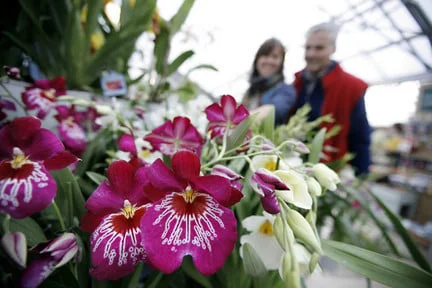
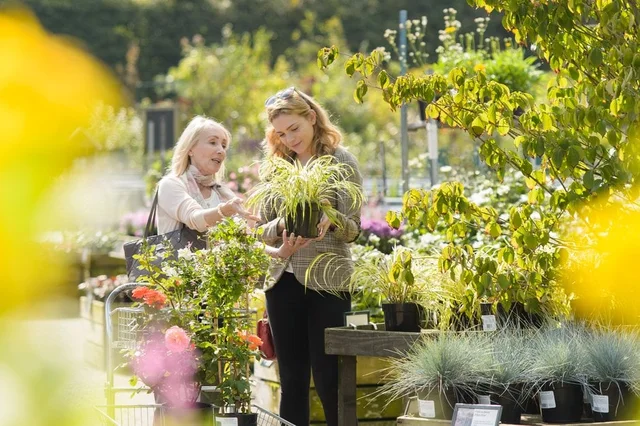
- Mahonias are widely sold in garden centres as container-grown plants
- Look for plants of a balanced shape, with a number of evenly-spaced branches
- Avoid those showing signs of stress, damage or disease, like those with broken branches or yellowing leaves
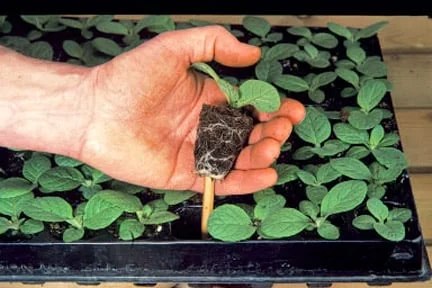
- Check the if you can. The roots should be developed enough to be visible through the holes in the base of the pot, but not be so congested that you can't see any soil
- Use our Find a Plant tool for stockists near you or for mail order suppliers
- Go for mahonias that have received the RHS Award of Garden Merit as these have been tested and perform well in average garden conditions
Planting
Where to plant
Bear the following in mind when choosing a site for your plant:
- Mahonias grow and flower best with some shade, although they will tolerate sun if the soil is reliably moist
- Plants need a sheltered location, away from cold, drying winds
- Allow enough space for your plant to grow into – these shrubs look their best when fully grown and although mostly upright, they can be wide and spreading too
- Plant in moderately fertile, humus-rich, well-drained soil
- Some of the smaller mahonia cultivars are suitable for large containers in a sheltered, shady spot, but may eventually need to be planted out in the garden
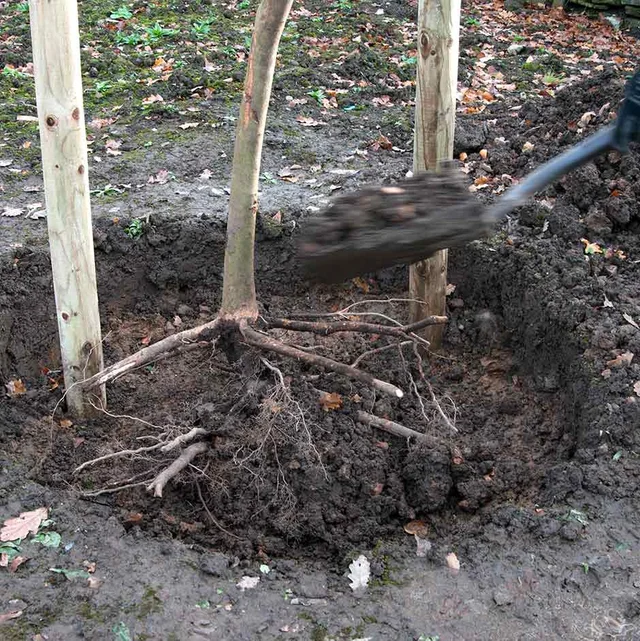
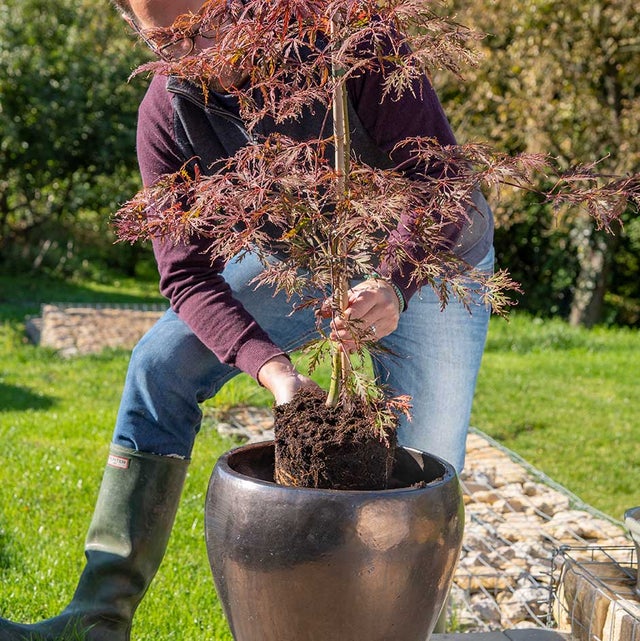
How to plant
Mahonias like a fertile, moist but well-drained soil and won’t thrive in soils that are too dry. To improve moisture retention, the soil with organic matter, such as garden compost, after planting.
Our guides below take you step-by-step through planting your mahonia:
Ongoing Care
Watering
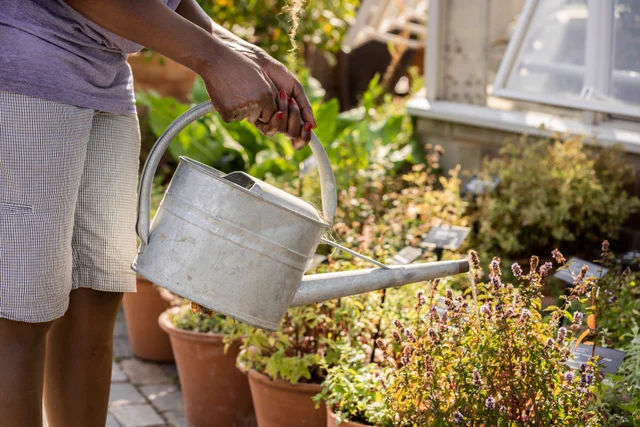
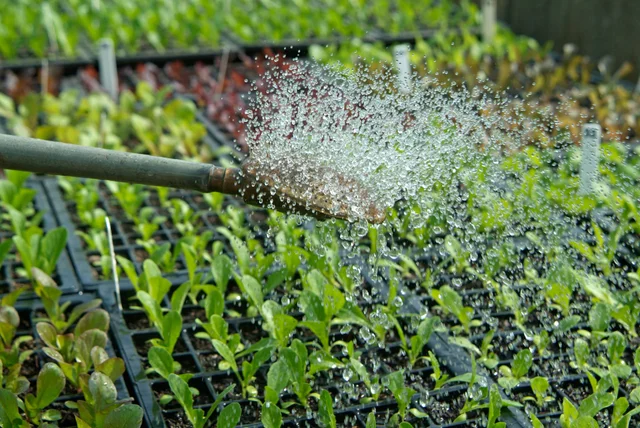
Like most shrubs, newly-planted mahonias should be watered regularly and thoroughly, especially during summer, for the first few years until their roots are well-established. Once established, they shouldn’t need regular watering if the soil is reliably moist. However, on very free-draining soil or during prolonged hot, dry spells, they may need some additional water to support continued healthy growth.
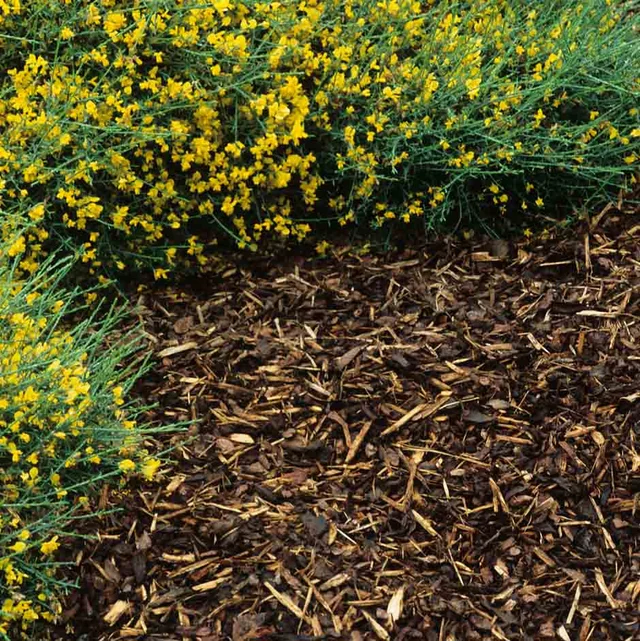
Apply a 5cm (2in) thick of bulky organic matter, such as garden compost or well-rotted manure, around your plants each spring to aid moisture retention. Leave a mulch-free circle immediately around the base of the plant to prevent stem rot.
Feeding
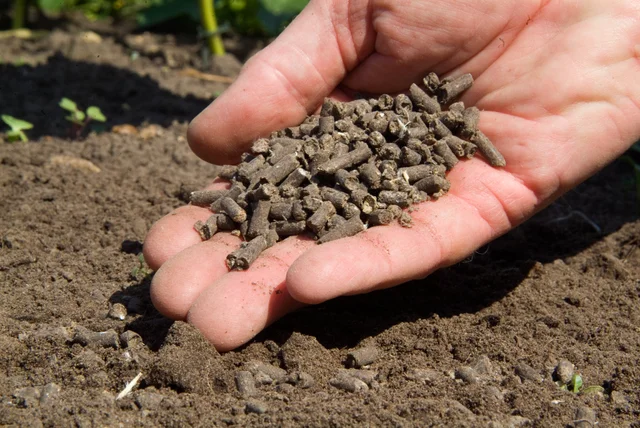
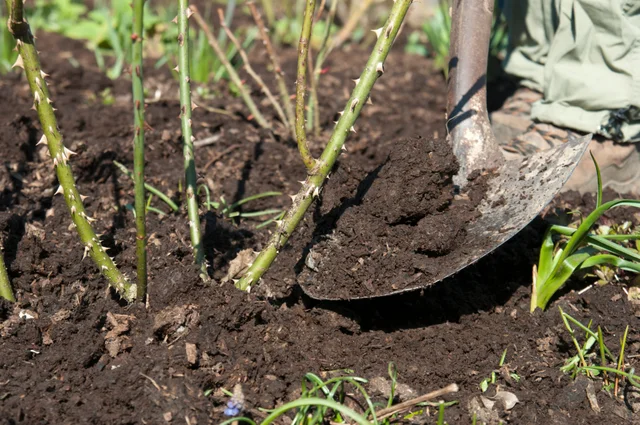
Mahonias need little or no regular feeding in most garden soils. However, for weak plants, you can encourage stronger growth by applying a general purpose fertiliser to the soil in spring, then covering it with mulch as above.
Pruning and Training
Pruning
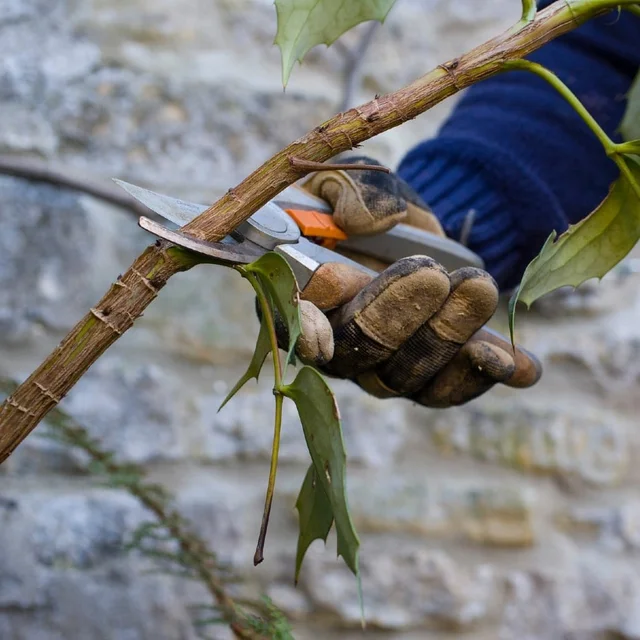
Once established, mahonias are fairly low maintenance plants and even though they respond well to cutting back, they need little in the way of pruning. Just bear the following in mind:
- Long or old stems on tall, upright cultivars that are bare at the base can be cut back to strong growth lower down
- There is no need to deadhead spent flowers, especially if you would like berries in the autumn and winter
- The low-growing M. aquifolium cultivars are spread by suckering, so remove any unwanted growth at the edge of the plant. Shear to just above ground level every couple of years to keep them productive and remove suckers as seen
For more advice, see the section on pruning early flowering evergreen shrubs in the guide below:
Renovating older plants
If your mahonia looks particularly gaunt, overgrown and woody, or bare at the base, new growth can be stimulated by hard renovation pruning:
- After flowering is finished, remove between one third and one half of the stems 30-60cm (1-2ft) from ground level, reducing all other shoots by one third
- Following this hard pruning, apply a general-purpose fertiliser and with bulky organic matter, such as garden or well-rotted manure

Propagating
Semi-ripe cuttings
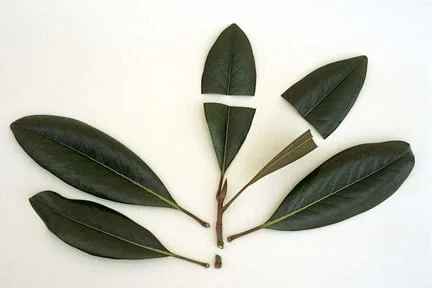
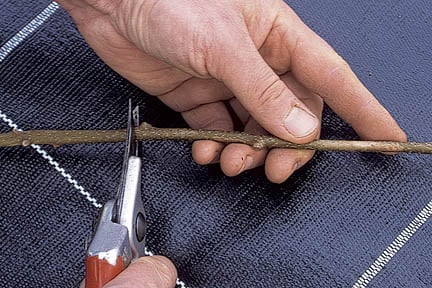
Mahonias can be propagated by semi-ripe or leaf from midsummer to autumn:
- Select new season's growth, remove the soft tip and top pair of leaves then cut the stem into 5cm (2in) internodal cuttings
- Insert cuttings into free-draining peat-free compost, and ideally provide bottom heat of 15-20°C (59-68°F) to improve rooting
- Plants should flower after 3 years
Mahonia can also be propagated by in winter.
Seed propagation
This type of propagation is a challenge, but can be rewarding if successful.
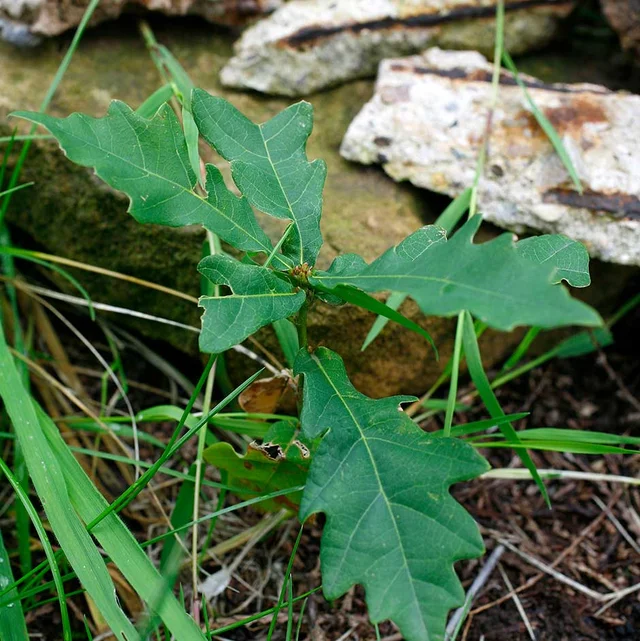
- Collect ripe fruits in early summer and clean seeds thoroughy before sowing
- Sow seeds outdoors in autumn or as soon as they are ripe, in a seed bed or containers
- Stratify seeds (to stimulate natural winter chilling) to improve
Most mahonias are named cultivars and these won't come true to type if grown from seed.
Please be aware that some mahoniaare protected by Plant Breeder’s Rights, and you are not allowed to propagate them for sale - check the plant label for details.
Problems
Mahonias do not tend to suffer from many problems, but they may be affected by berberis sawfly. M. aquifolium can also be susceptible to rust diseases and powdery mildews.
More commonly it is unsuitable growing conditions that cause a problem, with plants suffering from:
- Wind scorch and frost damage in exposed locations
- Poor growth, dieback and root rots in very wet or waterlogged conditions
- Leaf yellowing due to nutrient deficiencies in shallow, chalky soils or cold, exposed locations
If your mahoniadoesn’t seem to be thriving and you are not sure what is wrong, the following guides are a good place to start:


Or, if you’re a member of the RHS, you can use our online Gardening Advice service, via MyRHS.