


Swales
Swales are shallow channels designed to collect and slowly drain water, either storing or transporting surface runoff during high rainfall. They can also enhance gardens as attractive features.

Discover how swales have been successfully implemented at two RHS Gardens. Swales are shallow channels designed to collect and slowly drain water, either storing or transporting surface runoff during high rainfall
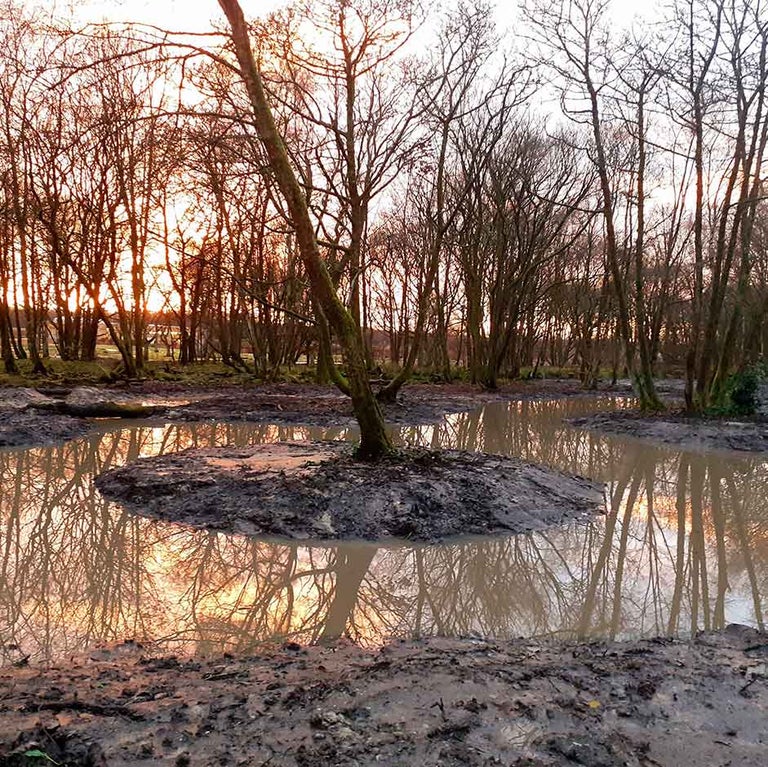
Water that falls on the RHS Bridgewater site is conveyed through a series of swales and scrapes, and ultimately into Ellesmere Lake . The alignment of the swales was designed to flow between the trees in the woodland to minimise tree root disturbance. The swales are typically 50 to 100cm wide and between 30 and 50cm deep.
The water is slowed down at regular intervals by leaky dams. These are structures created using larger logs and tree trunks set into the ground, and smaller sticks and brash built up around them. These partially slow water but also act as filtration of the sediments in the water as they flow through. The system has no pond lining; the base of the ditches and scrapes are boggy most of the time and become wet during heavy rainfall.
Many of these areas have been left to naturally revegetate with grasses , ferns and sedges . In places we have specifically planted other species to create more of a garden look, such as in the bog garden. This system takes water from the Arboretum and Play area via a shallow swale – water collects in a pond area at the southern end of this area. During heavy rain, this overflows into the site drainage system, which starts out as underground pipes before entering the car park swale system and a large holding waterbody. This is planted with reeds and rushes to store water and filter pollutants before leaving site.
In the car park we have a swale that runs alongside the main access road to collect the water run-off from the road. This is a more heavily engineered solution, with berms to filter water and sediments and prevent erosion where the swale is on steeper ground. This swale overlies a drainage pipe to accommodate high rainfall without flooding the road.
There are also swales in the narrow beds between car parking bays and the water from the garden and car park flows into a central swale, then to a large drainage basin. Again, this is planted with reeds and rushes to filter the water prior to discharge. The water level varies enormously, but the reeds and rushes provide planted edges that are sometimes dry, sometimes saturated. Installing swales in a location where the water table is shallow can be problematic and needs careful engineering.
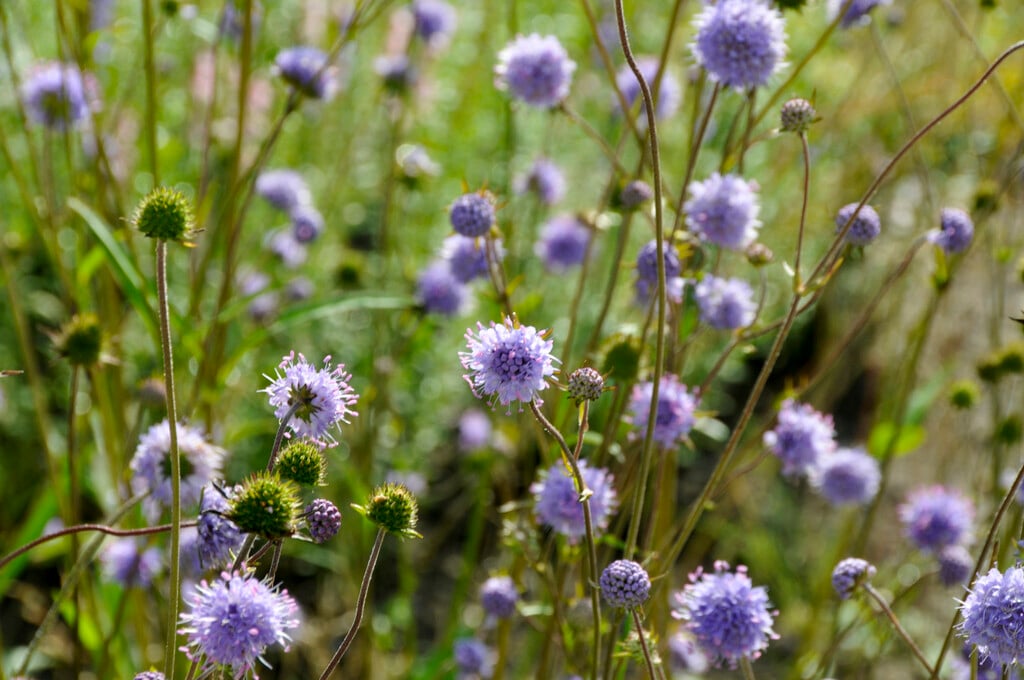
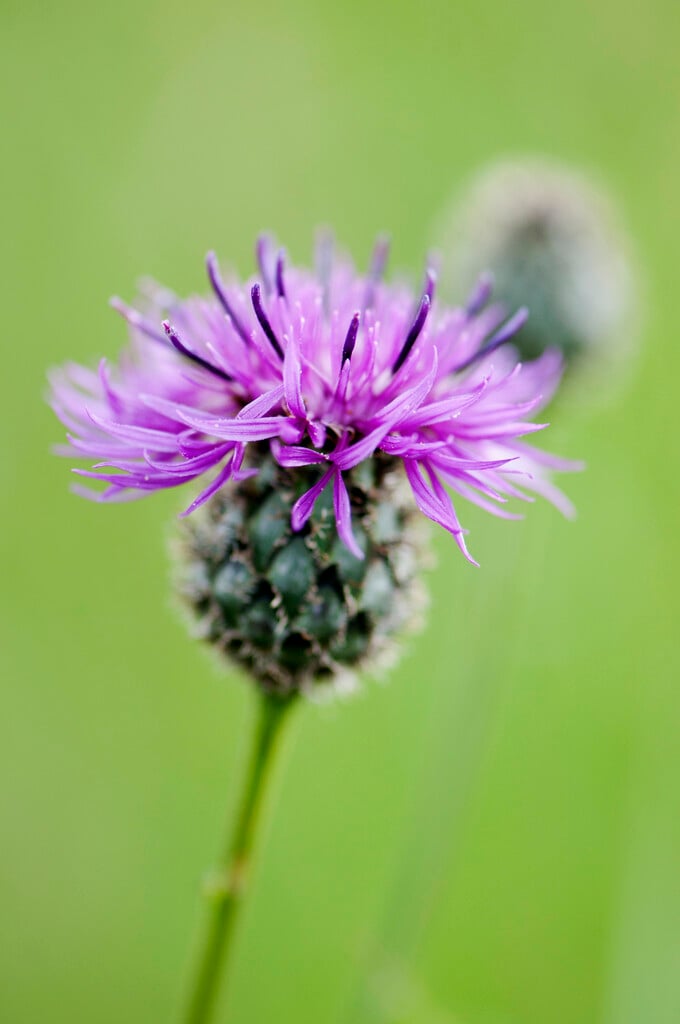
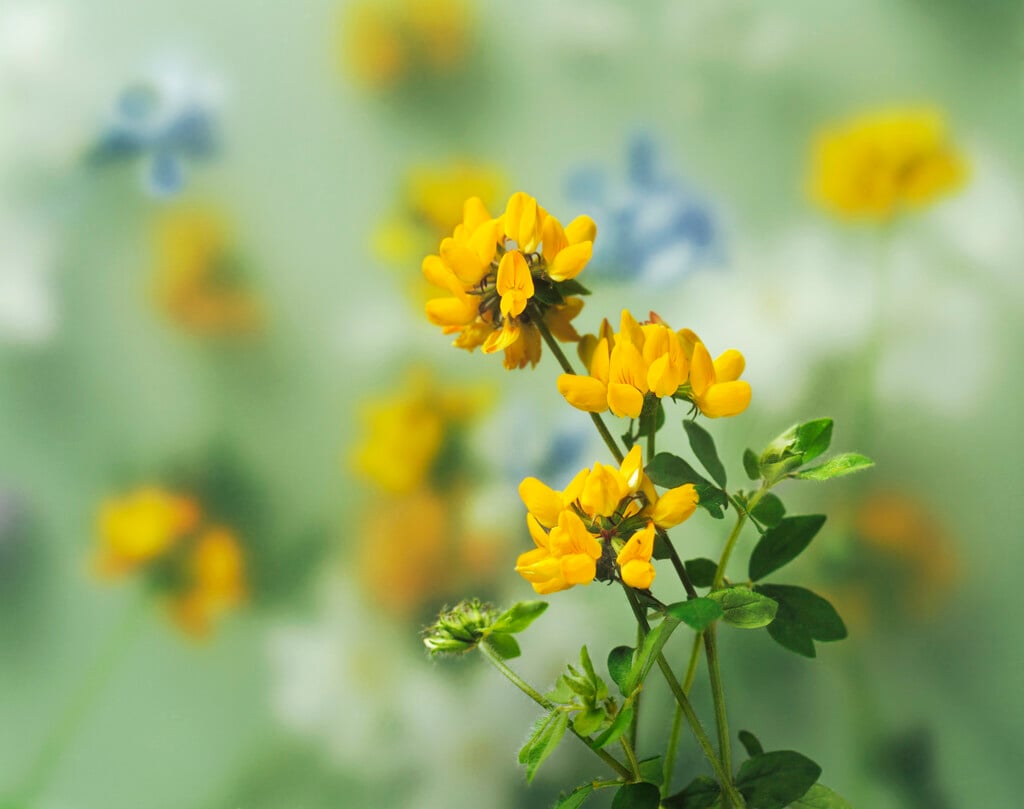
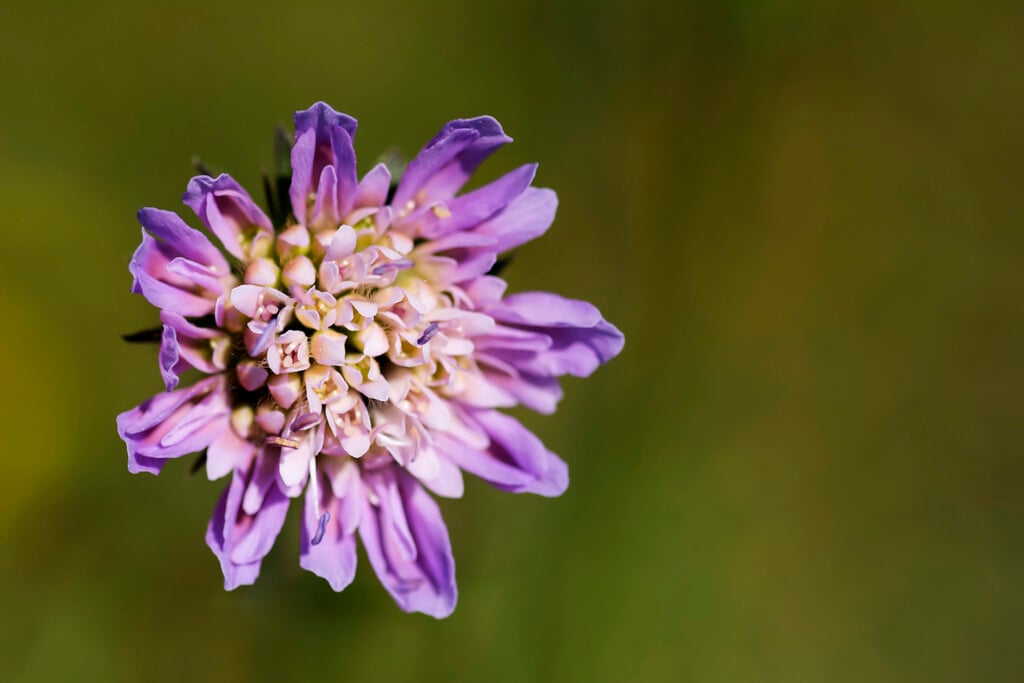
Swales were planted with a wildflower turf and have been really attractive through summer months and are a haven for wildlife .
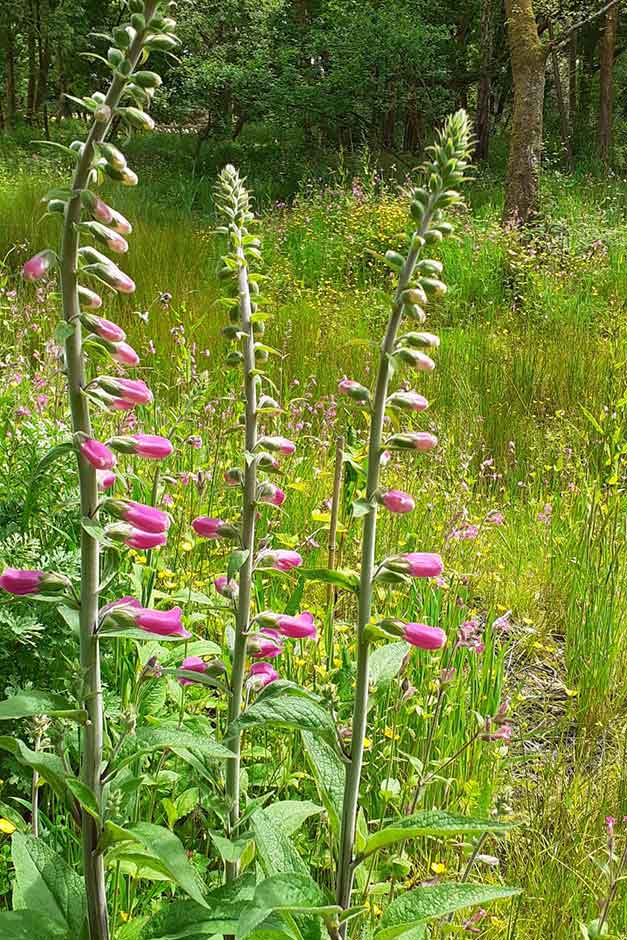
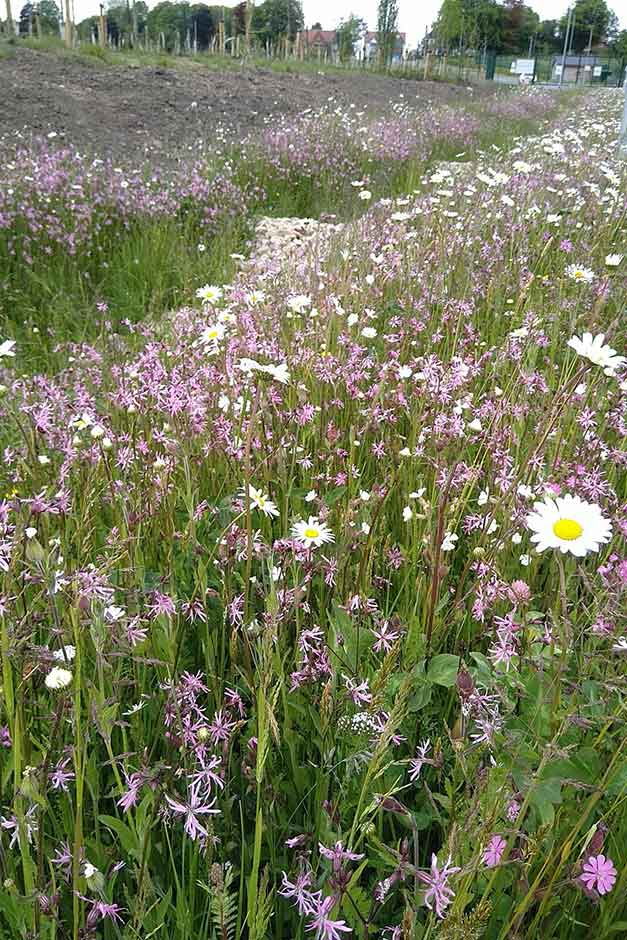
New swales were created in front of the Harrogate Arms at RHS Harlow Carr . After the contractors left the site, the team went in with diggers and re-shaped the bio-swales to allow for easier maintenance with lawn mowers and strimmers. The swales now gently move water down the slope to the Beck, but with some moisture staying at the base of the swales.
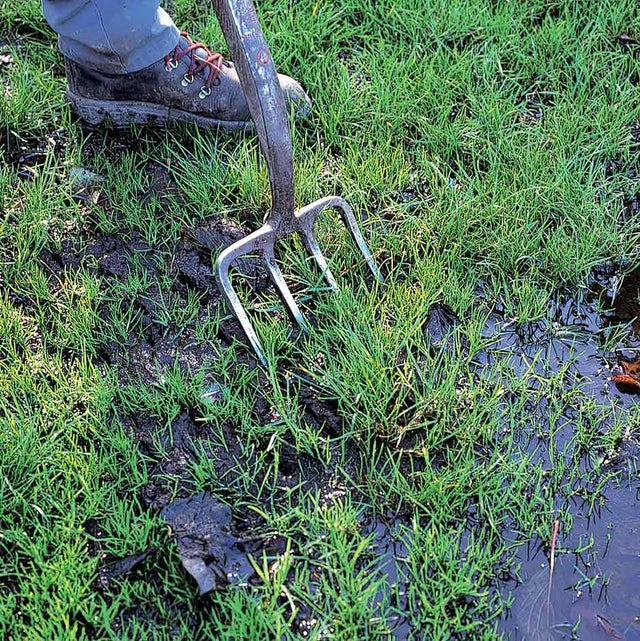
The soil, being a very wet clay, was fortunately already quite poor in structure, compacted and lacking air spaces. They were able to source some extra topsoil to top that up to produce the seed bed. This will help the water to infiltrate into the soil and not stay stagnant in the swale for too long, risking the oxygen levels in the rootzone becoming to low to support the root .
They started by sowing six different types of grasses (listed below) that would be found naturally in Yorkshire with yarrow and Geranium pratense as a base to then plant plugs (some of which can be found in wet meadows in Yorkshire with some of the plants selected to plant into the drier areas at the top of the meadow.) They have also sown their own yellow rattle seed, collected in autumn 2024 and sown immediately while fresh, and will continue to add more yellow rattle for the next couple of years until they have a good amount, where it can then sustain itself in that area.